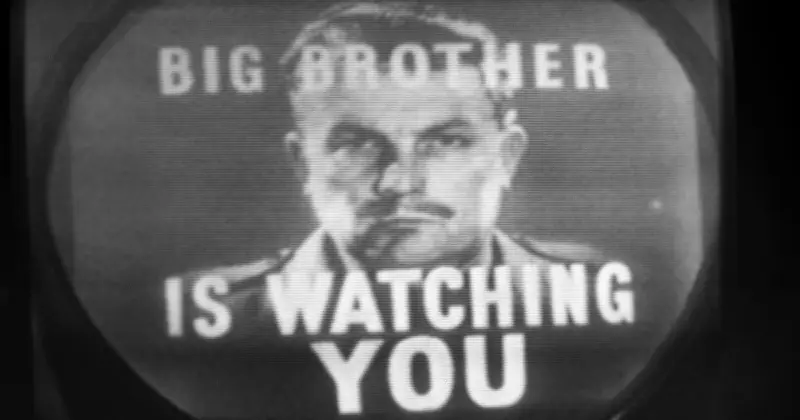
HMRC could be handed the power to demand AI chatbot histories from taxpayers and third parties, including AI platforms and software providers, under proposals in the Budget Bill that is set to become law by the end of May.
The measure, which critics have described as a "snoopers' charter", is one of a series of Labour state surveillance initiatives that have raised concerns about privacy and civil liberties. The proposals would allow the Revenue to request records of conversations with large language models, potentially including romantic or sexual overtures made by the more than one million people per week who engage with such AI systems.
HMRC House Photography and Tax Collection Powers
HMRC has already begun taking photographs of homes, ostensibly for the mansion tax, which is not due to start for almost another two years. The Revenue already holds powers to reach directly into bank accounts and recover unpaid tax without first going to court. Labour also wants businesses to maintain direct debit arrangements so HMRC can collect outstanding VAT and PAYE automatically.
The tax authority is extending its reach into cryptocurrency accounts and digital financial records, gathering information about how individuals earn, spend and save. HMRC is also developing systems to monitor online discussions about tax, including claims circulating through social media and artificial intelligence, with officials potentially intervening when they decide information is misleading.
Official Response and Concerns
A HMRC spokesman said: "This is about updating our existing information powers to reflect how tax information is now stored and processed digitally. It is not about going through everyone's use of large language models."
The concern is not simply what the state does with these powers today, but what it might do with them tomorrow. The measures come wrapped in the language of fairness, efficiency and catching tax cheats, but opponents argue the UK is sleepwalking to levels of state surveillance previous generations would not have allowed.