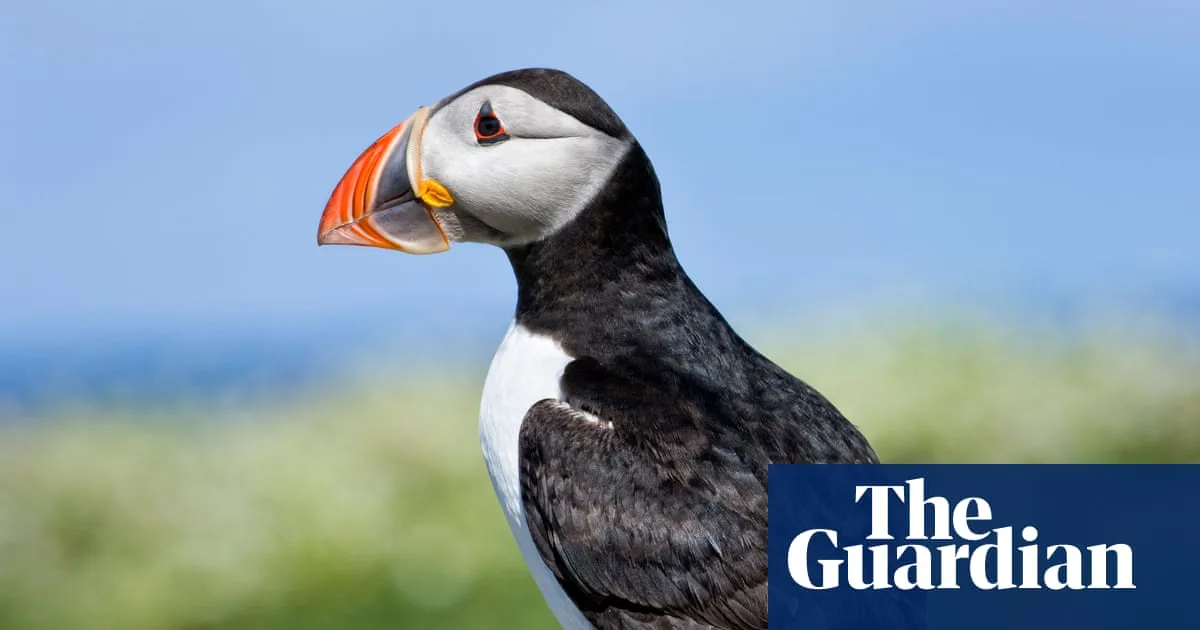
The Bank of England has announced a shortlist of native wildlife that could feature on new UK banknotes, including puffins, dolphins, and bumblebees. The move is part of an effort to update imagery and bolster anti-counterfeiting features, but has drawn criticism from some political figures and animal welfare groups.
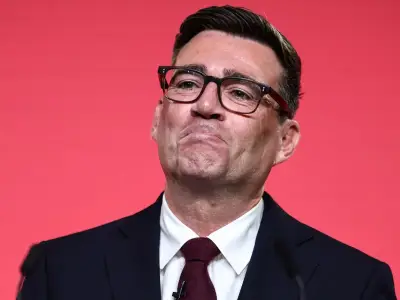
Conservative leader Kemi Badenoch called the decision “a silly thing to do,” while Reform UK’s Nigel Farage described it as “absolutely crackers.” The RSPCA criticised the Bank for not including less popular animals like pigeons, rats, and seagulls. The Bank defended the change, stating that banknotes are periodically updated to incorporate the latest security and accessibility features.
The shortlist, compiled with help from a panel of wildlife experts, includes endangered species such as Atlantic salmon and the marsh fritillary butterfly. The public can vote on the shortlist until 3 July, selecting up to two animals from each of three categories: mammals, birds, and a combined group of amphibians, insects, and fish.
The winning animals will replace historical figures like Jane Austen, Winston Churchill, and Alan Turing as the central images on £5, £10, £20, and £50 notes. The Bank noted that the final selection will prioritise distinct appearance to ensure the notes are easy to tell apart, meaning the most popular choices may not all be chosen.
Chief Cashier Victoria Cleland encouraged public participation, saying the shortlist “demonstrates the rich variety of wildlife we have to celebrate in the UK.” The new notes are expected to enter circulation in several years, following a lengthy design and testing process.