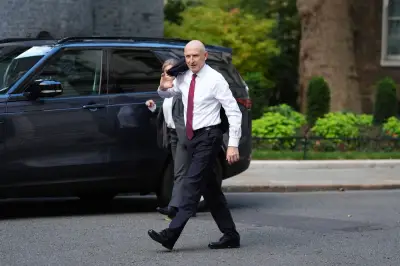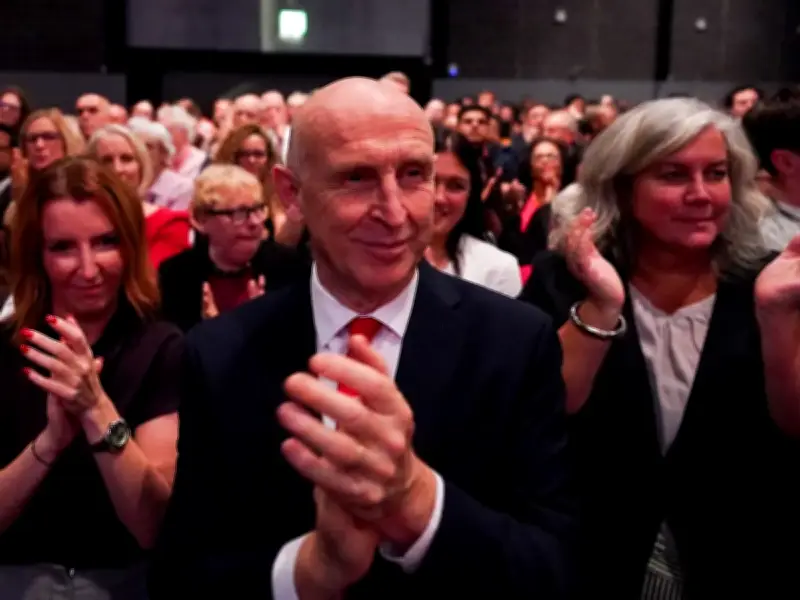
Chancellor John Healey is set to announce his first Autumn Budget tomorrow (October 28), outlining the government's financial plans for the country. Labour's first Budget under Prime Minister Andy Burnham will feature measures to raise revenue and ease the cost of living crisis for UK households.
Ahead of the key event, the new chancellor has unveiled a set of 'five everyday fixes' which will feature in his statement. The government says they will ease household costs and support working families. The package will tackle costs people face every day, from doing the weekly shop to supporting people who rely on their cars for work, while extending support to new parents and fixing an unfair cliff edge that can penalise unpaid carers for earning more.
Budget Focus and Fiscal Constraints
Those new measures are expected to make up just a small part of the government's overall plans. The Budget is set to focus on giving families and businesses breathing space with the costs they face today, while strengthening the economy, supporting growth and bringing costs down.
Due to the stretched public finances, Mr Healey will have limited scope for big Budget giveaways. He's expected to have significantly reduced headroom, the buffer against his fiscal rules, as a result of the increased cost of government borrowing resulting from the Iran war. Sticking by the rules set by his predecessor Rachel Reeves, Mr Healey's Budget will require day-to-day spending to be financed by taxes rather than borrowing by 2029/30 and that public debt as a share of the economy should fall in the same year.
Back in March, the headroom was forecast by the Office for Budget Responsibility (OBR) to be around £24 billion. However, the Resolution Foundation estimates that could have halved to £12 billion.
The Five Everyday Fixes
The first of the government's five 'everyday fixes' involves adjusting a major DWP benefit in a change welcomed by financial expert Martin Lewis. The Carer's Allowance 'cliff edge' is to be abolished and replaced with a taper. Under the change, unpaid carers will no longer lose their entire allowance for earning anything over the Weekly Earnings Limit - which is equivalent to 16 hours of the National Living Wage. Instead, only £1 of support will be removed for every additional £1 earned.
The second fix involves parental pay being extended to more than 150,000 additional parents per year, including self-employed dads and partners who have previously missed out. This change will give eligible parents two weeks of support currently worth up to £194 a week so they can spend more time with their child, Labour says.
The third fix will support people who drive for work. Higher tax-free mileage rates will be made permanent, locking in the 55p per mile rate for the first 10,000 business miles and increasing the rate above 10,000 miles from 25p to 35p per mile. The government says the move will support around three million employees and self-employed people who use their own vehicle for work, providing £120 a year in additional tax savings for a worker doing 6,000 business miles, and up to £300 in additional tax savings for someone driving 15,000 business miles.
The fourth fix will lower the cost of more than 100 food products, according to the government. Import tariffs will be removed on dozens of products, helping lower import costs on family favourites including baked beans, chocolate and gherkins. The move will also support farmers facing higher fertiliser bills and households that rely on kerosene heating oil.
The fifth and final 'everyday fix' involves the roll out of hundreds more Post Office drop boxes, bringing the total to 1,000. The government says this will make it easier and more convenient for people to send and return parcels without having to queue at a Post Office counter. It comes alongside upgrades to 600 Post Office branches by the end of the financial year.
Housing and Devolution Plans
The Budget will provide more than £1 billion for social and affordable housing, taking funding for the 10-year social and affordable homes programme to more than £40 billion. Councils will also be helped to borrow money from the government to invest in housebuilding by extending the offer of preferential interest rates.
The Budget is set to give England's mayors and regional leaders greater powers and extra funding, in plans aimed at boosting economic growth across the country. The government has allocated an initial £285 million next year, with the move intended to shift away from reliance on different bidding pots managed from Whitehall. The government will also work with mayors to design a new £1.5 billion borrowing facility from 2028.
Defence and Other Announcements
Mr Burnham has confirmed that the Budget will set out a path for defence spending to hit 3 per cent of national income by 2030. The Office for Budget Responsibility has estimated that reaching 3 per cent would require an additional £17.3 billion in 2029-30.
Other announcements expected include a crackdown on benefit fraud, with plans to save £14.6 billion by tackling fraud, error and debt. A £432 million funding boost aims to end rough sleeping by Christmas, with total investment reaching £874 million. A new AI 'biosecurity lab' backed by up to £200 million from OpenAI and Anthropic and £100 million from government will seek to protect against potential future pandemics.
A £7 million fund will be used for a feasibility study into a possible future bid to hold the Olympics and Paralympics in northern England. The chancellor has also ruled out hiking capital gains tax and lowering the threshold for the 'mansion tax' from £2 million down to £1.5 million.