A row over swimmers disturbing wildlife at Hampstead Heath has prompted government intervention, with environment ministers writing to the City of London Corporation expressing deep concern over footage of crowds in the water during last week's heatwave.
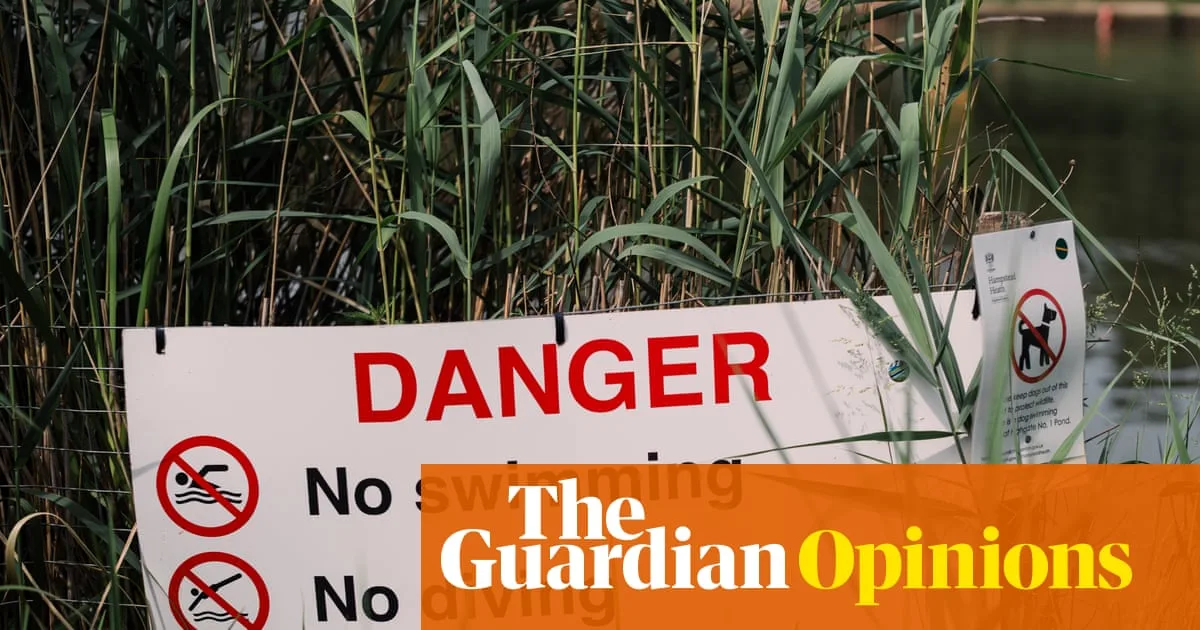
One viral video showed revellers ignoring a 'no swimming' sign at a wildlife pond, disturbing nesting birds. The swimmers were labelled 'selfish' and 'appalling', but the incident has raised broader questions about access to water. An anonymous swimmer told the Times: 'It's like nothing is free any more.'
Seasoned wild swimmers often ignore signs banning them from water, which may be put up by landowners for no real reason. The well-known bathing ponds on Hampstead Heath used to operate on an honesty system but now charge, with long queues in hot weather. As temperatures rise, there are not enough accessible places to swim.

Wild swimming has become fetishised as a middle-class lifestyle choice, yet there is little clarity about why some spots are off limits. At the wildlife pond, it was not made clear why that one was closed, nor was there information about the birds and their habitat. Campaigns against river and sea pollution have been excellent, but we also need to discuss how to navigate risk and educate people about the impact of open water swimming on human and animal lives.
During the heatwave, the water-related death toll was 16, many of them teenagers. While most swims were trouble-free, some had tragic consequences. Education and investment are more urgent than ever, including putting up boards explaining why people shouldn't swim and the actual risks involved.