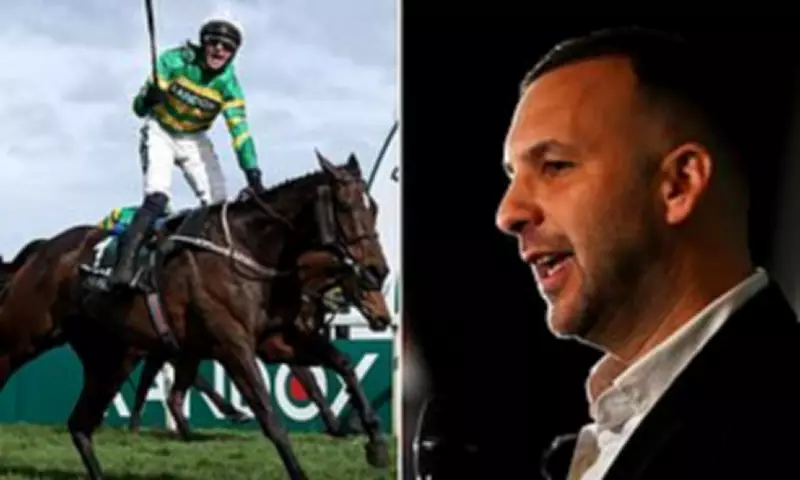
Zack Polanski, the leader of the Green Party, envisages a world without horseracing—a scenario where the joy, history, and opportunity to witness events like the Randox Grand National would vanish entirely. As a politician adept at capturing headlines, Polanski has declared his intention to abolish the sport if given the chance, citing concerns over animal welfare and gambling. However, critics argue that his stance overlooks the crucial role this industry plays in the United Kingdom, both economically and culturally.
The Grand National's Growing Popularity Amid Controversy
At this time of year, debates often flare up around the Grand National, with some critics seemingly hoping for calamities to justify their opposition. Yet, despite the noise, horseracing is experiencing a resurgence in popularity. Aintree, the iconic venue for the Grand National, recently hosted a sell-out crowd of 60,000 spectators who braved horrible weather conditions. Over the last three days, total attendance exceeded 141,000, marking the highest figures since 2018.
Post-Pandemic Recovery and Industry Challenges
This growth is particularly significant as horseracing faced severe setbacks during the pandemic. Unlike football, where tribal loyalties ensured a swift return of fans, racing struggled to retain its customer base. The industry has had to innovate and adapt to hold onto its audience, making the recent attendance numbers a testament to its resilience and enduring appeal.

Polanski, a long-standing critic of all forms of racing, took to social media in 2024 to label the Aintree showpiece as a combination of 'gambling and animal cruelty.' His comments have sparked outrage among supporters of the sport, who accuse him of ignoring the facts and figures that underpin the industry's importance.
Economic and Employment Implications of a Ban
If Polanski were to succeed in abolishing horseracing, the consequences would be far-reaching. Key questions arise: What would happen to the 20,000 thoroughbreds in the United Kingdom? Where would the 85,000 people employed in the industry, many of whom rely on primitive wages, find alternative employment? Most critically, how would the country fill the £4.1 billion hole left in the economy if the sport ceased to exist?
Safety and Integrity in Horseracing
Opportunists like Polanski and various campaign groups have seized on incidents, such as the tragic fate of Gold Dancer, who suffered a fatal injury at Aintree on Friday, to launch inflammatory criticisms. While everyone is entitled to their view, it is unhelpful when opinions are not backed by expert analysis or a thorough understanding of the industry's efforts to improve safety and governance.
Those charged with driving the industry forward are constantly working to enhance safety measures, ensure proper regulation, and maintain integrity. Although 100% safety can never be guaranteed in any sport involving livestock, the commitment to improvement is unwavering.
The Cultural Significance of Horseracing
Horseracing continues to grip the nation, from major events like Aintree to provincial tracks such as Newton Abbot, which recently welcomed a record crowd of 8,500. The sport's appeal lies in its blend of tradition, excitement, and beauty. As noted by Paul Hayward, a doyen of sports journalists, the thoroughbred is 'the monarch of the animal kingdom'—a majestic creature whose presence must be allowed to flourish.
In conclusion, while horseracing is not without its issues and requires ongoing attention to welfare and ethics, Polanski's proposal to abolish it ignores the sport's substantial economic contributions, employment opportunities, and cultural value. The industry's growth post-pandemic and its dedicated efforts toward safety and integrity suggest that, rather than being dismantled, horseracing deserves support and thoughtful reform.