Fairfield's Iraqi Community Erupts in Joy After Historic World Cup Qualification
In a remarkable display of national pride, Australia's largest Iraqi community transformed Sydney's western suburb of Fairfield into a sea of celebration on Wednesday. The occasion was Iraq's dramatic 2-1 playoff victory over Bolivia in Monterrey, Mexico, securing their first World Cup appearance in 40 years.
An Australian at the Helm of Iraqi Football History
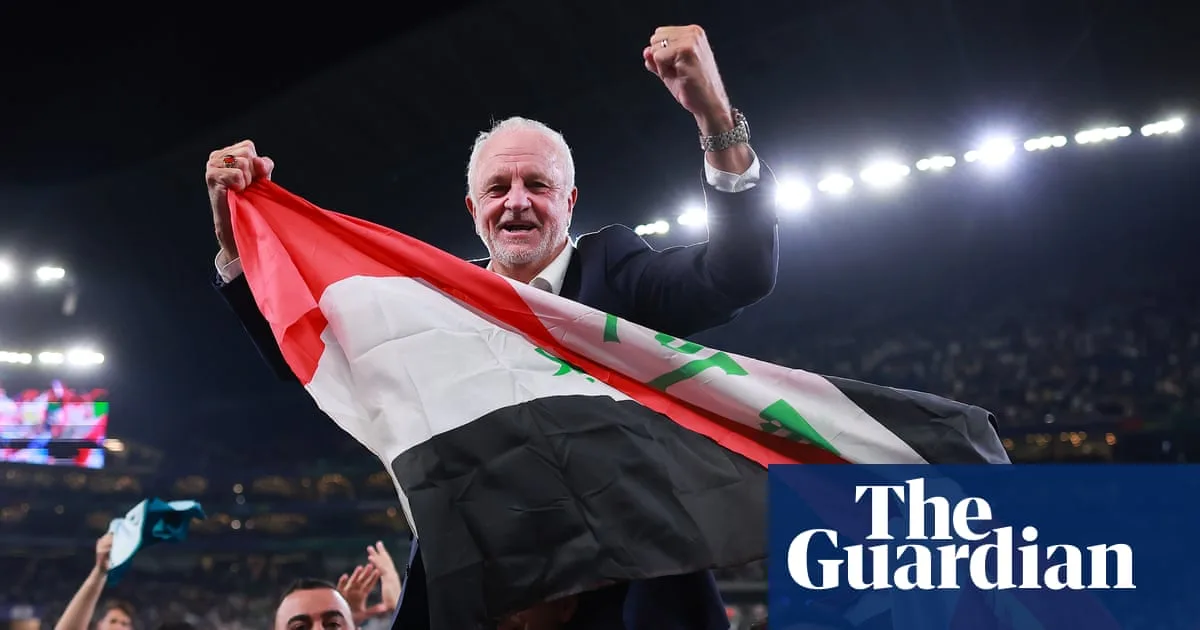
The architect of this historic achievement was none other than Graham Arnold, the former Socceroos coach who stepped down eighteen months ago. Arnold has now etched his name into football lore by becoming the first Australian manager to guide another nation's men's team to World Cup qualification. Speaking after the final whistle, an emotional Arnold declared, 'We've made 46 million people happy.'
Describing the Iraqi coaching role as 'one of the toughest' in world football due to the nation's long absence from the global stage, the 62-year-old's tactical acumen resuscitated a faltering qualification campaign. His success was particularly poignant for the Australian-Iraqi community.
Community Unity and Unbridled Celebration
Across Fairfield, expatriate Iraqis packed cafes and restaurants, their eyes glued to television screens. The atmosphere reached fever pitch when referee Ivan Barton signaled full-time. Supporters like Jon Georgess expressed overwhelming emotion: 'I feel so happy, I've been waiting 40 years for this moment. We deserve to be there, and I'm so proud of our team.'
The victory sparked an immediate street party. Fans waved flags from car roofs, danced on tables, and descended onto Fairfield's main thoroughfare. The air filled with the sound of honking horns, impromptu singing, and the screech of celebratory burnouts, temporarily halting traffic in a spontaneous outpouring of joy.
A Rollercoaster Match and a Unifying Victory
The playoff match itself was a nail-biting affair. Iraq took an early lead through Ali Al Hamadi in the 10th minute, only for Bolivia's Moises Paniagua to equalize just before halftime. The tension was palpable at venues like the Assyrian Sports Club in Fairfield Heights.
Hope was restored when Aymen Hussein scored the decisive goal in the 53rd minute, reigniting celebrations with every Iraqi tackle and Bolivian mistake. The nine minutes of added time felt like an eternity for fans, with frayed nerves finally settling at the final whistle.
For many young Australian-born Iraqis, the victory held special significance. 'I'm 26 and born here, and it's an amazing experience, especially with an Australian coach,' said supporter Richard Yalda. 'It just makes the Australian-Iraqi connection so great. Iraq is a state of Arabs, Assyrians, Kurds, Yazidis, Sunni, Shia, Christian, and this has united the country.'
Awakening a Football Giant and Looking Ahead
Arnold's achievement breaks a profound drought for Iraqi football, awakening one of Asia's sleeping giants. Iraq will now face a formidable Group Stage challenge against France, Senegal, and Norway. Regardless of their performance, the qualification itself is a monumental triumph.
The Australian influence extended beyond Arnold, with former Newcastle Jets coach Robbie Stanton and ex-Socceroos goalkeeper Zeljko Kalac also part of the game-day staff. As the celebrations continued late into the Sydney night, the sentiment was clear: a nation and its diaspora, united by football, had finally returned to the world's biggest sporting stage.