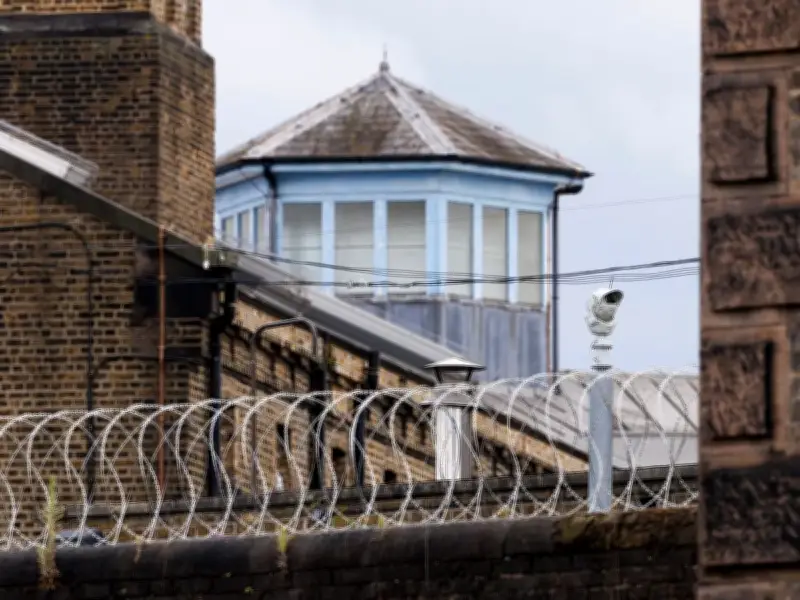
The Government has responded to a report suggesting too many prisoners are being held in unacceptable conditions. HM Inspectorate of Prisons listed overcrowding, poor sanitation, deteriorating infrastructure and long maintenance delays as causing persistent problems across the prison estate, rendering much of it inadequate.
Report findings on prison infrastructure
Published on Tuesday (November 3), the report analysed inspections of 40 prisons and 6,404 prisoner surveys. It assessed prison infrastructure and found about half of the surveyed prisoners were living in accommodation built before the 1980s, which had not been significantly refurbished since.
The report found conditions were often particularly poor in older, Victorian reception prisons, where population pressures and high turnover have made it difficult to carry out repairs and improvements. Mould, broken windows, inadequate ventilation, damaged flooring, and a lack of basic furniture and storage were common in these facilities.
Sanitation, heating and shower issues
Poor ventilation within prisons was also said to be contributing to jails overheating in the summer, while unreliable heating systems left many cold during the winter. A small number of prisons still rely on night sanitation systems, requiring prisoners to be unlocked one at a time to use toilets during the night, and often resorting to using buckets or bags in their cells instead. In many jails, in-cell toilets were next to prisoners' beds and were broken, lacked lids and offered little privacy.
Shower facilities were frequently in poor condition, with mould, damaged cubicles and inadequate screening common in older accommodation. Only 49% of prisoners held in Victorian and pre-1930s buildings described communal showers as clean, compared with 88% in more modern, temporary units. Worn, damaged mattresses were not always replaced, and inspectors found some prisoners spending their first night in dirty cells without basic items such as bedding and pillows.
Overcrowding and official responses
In the year to March 2026, 24% of prisoners across England and Wales were held in overcrowded conditions, rising to more than half of prisoners in reception jails. HM Inspectorate of Prisons said this had implications for the safety of prisoners and staff, with Ministry of Justice analysis finding from January to December 2022, prisoners in overcrowded cells were 19% more likely than those in non-overcrowded cells to be involved in assaults.
Charlie Taylor, Chief Inspector of Prisons, said: "The provision of decent, clean, well-maintained accommodation is a fundamental test of a prison system, but this report shows that standards fall short of acceptable in many jails. Improving procurement and maintenance systems, reducing overcrowding and upholding basic standards of decency must be priorities if prisons are to be places that rehabilitate rather than simply warehouse prisoners."
Andrea Coomber KC, chief executive of the Howard League for Penal Reform, said the report revealed how the "prison system has become a vicious circle, failing everyone and holding the country back". She added: "For decades, politicians' knee-jerk response to crime has been to make sentences longer and longer. This has led to a steep rise in the prison population, to the point where dozens of jails are holding more people than they are designed to hold and have fallen into disrepair. Damaged cells cannot be repaired if they are occupied, and prisons are so overcrowded that they cannot afford to lose space even temporarily, so people stay locked up for 23 hours a day with nothing to do in disgusting conditions, where rehabilitation is close to impossible."
In response, a Ministry of Justice spokesperson said: "This Government inherited a prison system in crisis – with crumbling infrastructure, dangerous prisons and hard-working staff under immense pressure. We are turning that around by building 14,000 new prison places – with 3,300 already complete – and investing £800 million into long-term prison and probation maintenance to improve conditions and ensure we always have the cells we need."
Positive examples and inspection scope
Despite the challenges, inspectors found examples of prisons maintaining high standards "through strong leadership, effective cleaning regimes and involving prisoners in maintenance work". At Berwyn, prisoners worked alongside maintenance teams, while at Lewes and Haverigg prisoners helped to carry out refurbishment projects that improved conditions and reduced costs.
The report contained evidence from inspections carried out between April 1 2025 to March 31 2026 of 40 adult prisons – of which 35 were men's and five were women's. HM Inspectorate of Prisons is an independent inspectorate, inspecting places of detention to "report on conditions and treatment and promote positive outcomes for those detained and the public".