
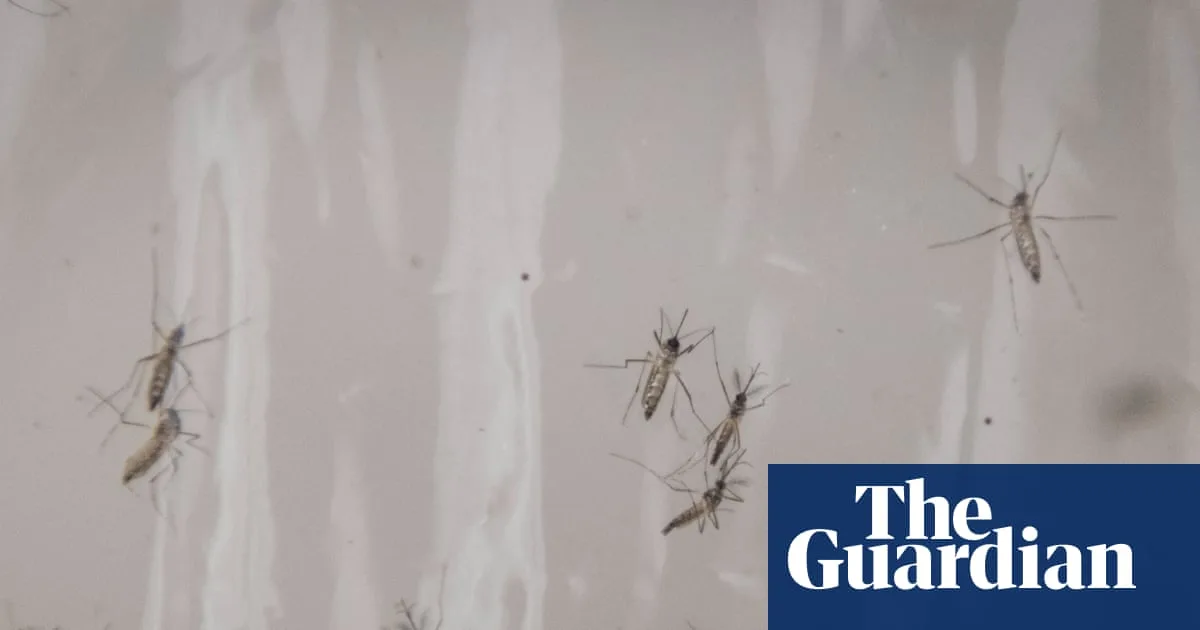
Google has requested permission from the US Environmental Protection Agency (EPA) to release up to 32 million sterilised mosquitoes in California and Florida as part of its 'Debug' programme. The tech giant aims to reduce populations of disease-spreading mosquitoes by releasing sterile males that cannot produce offspring with wild females.
The EPA is reviewing the request for an experimental use permit, which would allow the release of up to 16 million mosquitoes annually in each state over two years. A public comment period ends on 5 June before the agency makes a decision.
Google's approach uses male mosquitoes infected with a naturally occurring bacterium called Wolbachia. When these males mate with wild females, their eggs do not hatch, leading to a decline in the mosquito population over generations. Male mosquitoes do not bite or transmit diseases.
The Debug project, originally a 'moonshot' under Google's parent company Alphabet, was fully acquired by Google in December 2024. The company has already seen success in Singapore, where releases achieved 80-90% suppression of the Aedes aegypti mosquito population and over 70% reduction in dengue cases.
Critics have expressed outrage over the plan, citing concerns about unintended ecological impacts. However, Google argues that traditional methods like pesticides are less effective and more toxic, and that the sterile insect technique has been used safely for decades.




