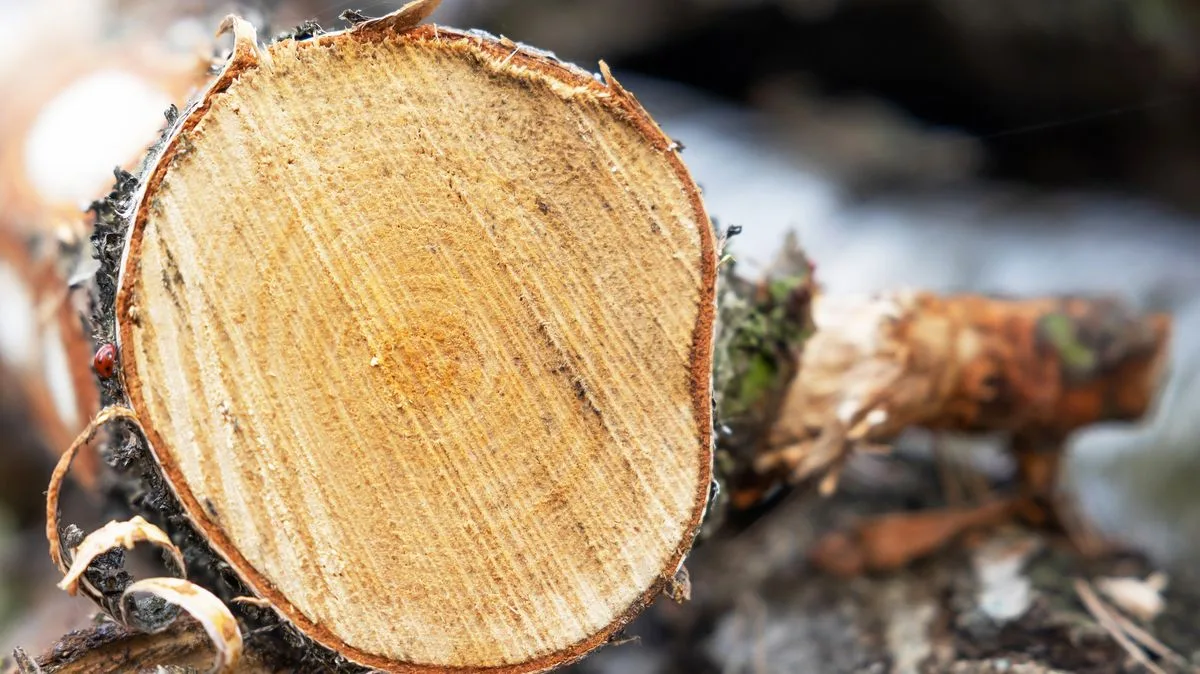
Gardeners across the UK are being reminded of an ancient superstition that warns against cutting down blackthorn trees on specific dates in May. According to Celtic folklore, felling a blackthorn on May 11 or November 11 could bring misfortune, as these trees are considered magical and protected by fairy folk known as lunantishees.
The blackthorn, also called wild plum or 'wishing thorn', is native to Britain and produces sloes in autumn. The blog Irish Stick explains that the tree was regarded as a protection against fairies, and cutting it on the forbidden dates was believed to incur a curse from the lunantishees, who are hostile to humans.
Similarly, the hawthorn tree, a close relative of the blackthorn, is steeped in myth. Cutting down a hawthorn was thought to lead to instant death, and bringing its blossoms indoors was considered deeply unlucky. These superstitions may explain why many of these trees remain standing in the countryside today.

While modern gardeners may dismiss these beliefs, the folklore serves as a reminder of the rich cultural heritage surrounding Britain's native trees. For those who wish to harvest blackthorn, the recommended time is during a full moon, when the lunantishees are said to be away.