Foxborough Board Clashes with FIFA Over $7.8M World Cup Security Funding Gap
Foxborough Board Clashes with FIFA Over World Cup Security Funding

Local Board Threatens World Cup License Over Unsecured $7.8 Million Security Bill

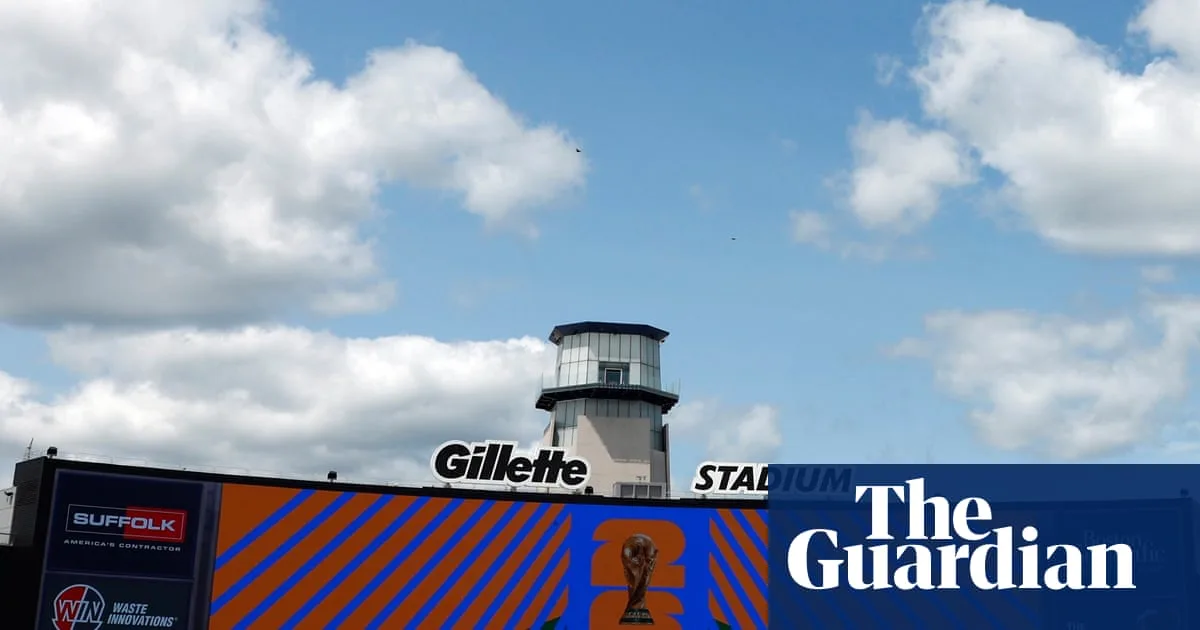
Gillette Stadium in Foxborough, Massachusetts, is scheduled to host seven matches during the 2026 FIFA World Cup, including Scotland's opening game against Haiti and England's second group stage encounter with Ghana. However, the town's Select Board has entered a tense standoff with World Cup organizers over who will cover substantial security costs.

Hyperlocal Governance Meets Global Sporting Behemoth

At a recent meeting of Foxborough's Select Board—the five-member body that governs this suburban community of approximately 18,000 residents—officials made their position clear regarding the stadium license required for World Cup matches. "This board does not want to deny this license, by any means," declared one member during the session. "But we will if we have to."

The board, which typically handles municipal matters like sewer connections, liquor licenses, and zoning regulations, now finds itself negotiating with FIFA, the world's most powerful sports organization. The central issue revolves around $7.8 million in security expenses that remain unfunded as preparations intensify for the 2026 tournament.

The Financial Stakes for a Small Town

For Foxborough, the unsecured security bill represents a significant financial burden. The $7.8 million shortfall would translate to approximately $1,000 per household or roughly 10% of the town's annual budget. While the Kraft family—owners of the New England Patriots and MLS's New England Revolution—typically covers security costs for stadium events, FIFA operates under separate agreements that exclude World Cup matches from existing arrangements.

"Do you think we're going to have the World Cup here?" asked one concerned resident before the meeting began, capturing the anxiety spreading through the community about potential financial liability.

Broken Promises and Federal Complications

The funding gap stems from multiple sources. A portion was supposed to come through a Federal Emergency Management Agency (FEMA) grant, but those funds remain undelivered due to an ongoing partial federal government shutdown affecting the Department of Homeland Security. Meanwhile, representatives from Boston's World Cup host committee acknowledged their contractual obligation to cover expenses but offered no concrete solution during earlier discussions.

At the meeting, attorneys for Boston Soccer 2026 attempted to reassure the board. "Who is going to backstop this obligation, if for whatever reason the federal money does not come through, is Boston Soccer 2026," declared lawyer Gary Ronan. He further stated that the Kraft family had committed to covering "any shortfalls" and would provide a formal commitment letter within days.

Equipment Deadlines Spark Confrontation

Goodwill quickly evaporated when Ronan revealed that necessary safety equipment wouldn't arrive until June 1—just twelve days before Scotland and Haiti are scheduled to open World Cup play at the stadium. "It's not acceptable," responded board chair Bill Yukna firmly.

Town manager Paige Duncan echoed his concern: "This is building a plan in an extremely scary world, getting scarier by the weekend." Police Chief Mike Grace emphasized the operational implications, noting, "We are 99 days away from hosting the largest sporting event in the world, and we can't seem to find necessary funding for necessary equipment that's been identified for over a year and a half of planning."

Legal Posturing and Power Dynamics

The host committee's presentation took a confrontational turn with a slide stating in capital letters: "THE BOARD'S DISCRETION IS LIMITED BY MASSACHUSETTS STATUTES AND THE TOWN'S STADIUM REGULATIONS." Attorney Peter Tamm suggested the board's authority extended only to safety and health matters, not municipal finance.

Town attorney Lisa Mead immediately countered: "With all due respect, the board has broad discretion on this license, on their determination of whether or not the applicant will be able to fill the public safety requirements and protect the health and welfare of those people attending the event."

Media Spotlight and Unresolved Tensions

The normally quiet council meeting attracted unusual media attention, with approximately a dozen cameras and multiple reporters documenting the proceedings. When asked why FIFA doesn't simply cover the costs directly, host committee CEO Mike Loynd abruptly ended his comments.

Board chair Yukna expressed frustration with the assumption that his panel could be sidelined by FIFA's demands. "You heard from our legal counsel that we have full authority and ability to make whatever decision is in the best interest of public safety and for the town," he told reporters. "They can say whatever they want to say."

No resolution emerged from the meeting, with the board scheduling its next discussion for March 17. Despite the high-stakes confrontation, most observers believe the games will proceed as planned given the enormous financial investments already made. Yet the dispute highlights how global sporting events create complex negotiations between international organizations and the local communities that host them.

"Quite honestly," Yukna confessed before departing, "I wish we weren't into this at all. I wish we had resolved all of this a while ago, and I wish we could just move forward."