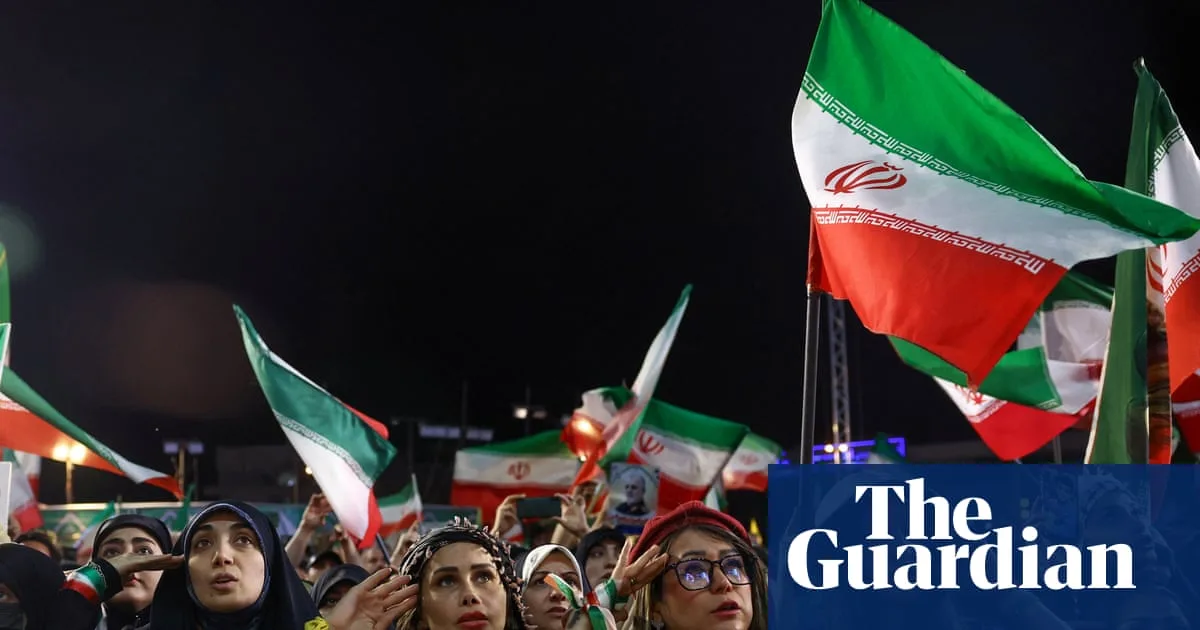
Iran is set to become the first country in World Cup history to compete on the soil of a host nation with which it is at war, as the team prepares to face New Zealand in Los Angeles on Monday. The match takes place amid ongoing hostilities between Iran and the US, which have intensified in recent days despite a fragile ceasefire and stalled negotiations.
Analysts say the belligerent backdrop undermines Fifa's 'football unites the world' slogan. Jules Boykoff, a politics professor at Pacific University, described the tournament as 'the most politically combustible World Cup ever', noting that one host nation is openly threatening war crimes against a participating nation.
Iran's participation was in doubt after Donald Trump suggested it would be safer for them to stay away. Visas were granted only this week, though several officials, including the president of Iran's football governing body, were denied entry due to ties to the Islamic Revolutionary Guard Corps. The uncertainty forced the team to relocate training from Arizona to Tijuana, Mexico, and they will travel to Los Angeles only on match days, returning to Mexico overnight.

The team faces further controversy: their match against Egypt in Seattle has been designated a Pride event, prompting protests from Iran and Egypt, where homosexuality is criminalised. Additionally, an officially sanctioned World Cup video depicting players as representatives of Shia Islamist ideology has drawn criticism. Reza Pahlavi, son of the deposed shah, attacked the portrayal, saying many Iranians no longer see the national team as representing the nation.