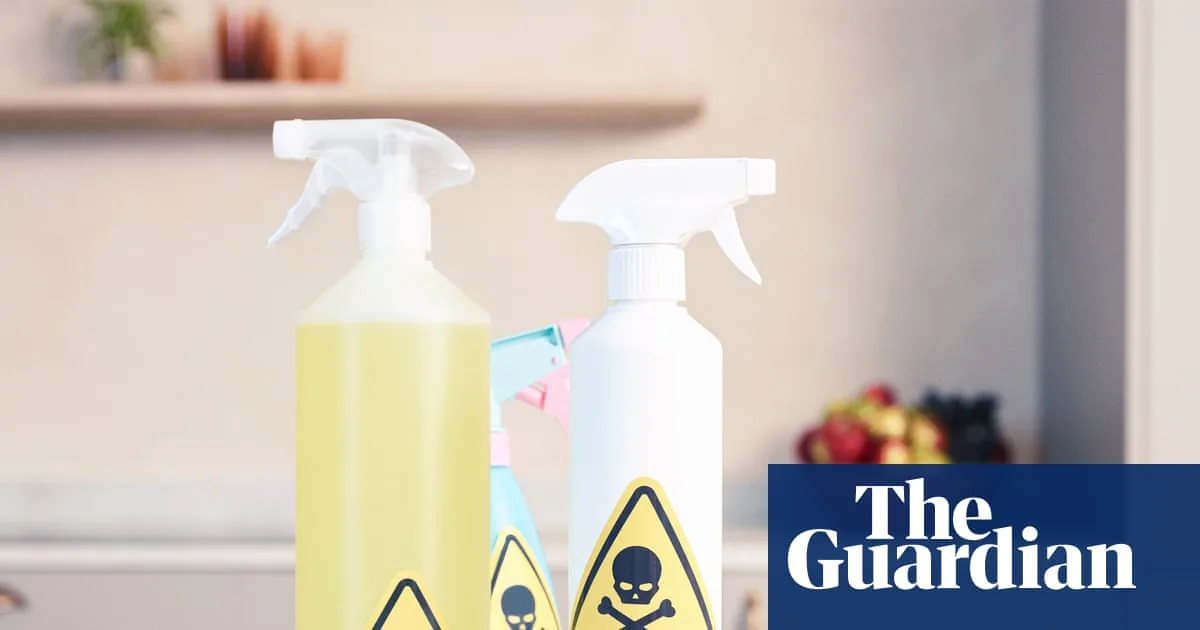
EU Toxic Chemical Ban Delayed, Causing 100,000 Tonnes Extra Pollution
EU Toxic Chemical Ban Delayed, Causing Extra Pollution

Green groups claim delays have resulted in nearly 100,000 tonnes of extra chemical pollution from just six of the groups. The largest-ever ban on toxic chemicals in the EU has been hit by 'extremely frustrating' delays, according to a new report.

Report Highlights Poor Progress

Harmful compounds in children's nappies and toxic 'forever chemicals' in everyday products are among 14 hazardous substance groups hit by lengthy delays to EU pollution controls. The European Commission sought to push broad categories of dangerous substances off the market with a 'restrictions roadmap' in April 2022, hailed as the largest-ever ban of toxic chemicals. However, four years later, it has failed to start the process of regulating seven of the 22 hazardous chemical groups and has 'effectively frozen' progress in regulating seven more, according to a progress check by ClientEarth and the European Environmental Bureau.

Commission Accused of Being 'Chief Roadblock'

Green groups say the European Commission is the 'chief roadblock' to its own roadmap and allege 'unlawful delays' have resulted in nearly 100,000 tonnes of extra chemical pollution from six of the groups. Hélène Duguy, a lawyer at ClientEarth and co-author of the report, said the announcement of a roadmap with a concrete timeline had been 'very encouraging', but added: 'Now we are four years after the initial publication – and things are really not looking good.'

Wide Pickt banner — collaborative shopping lists app for Telegram, phone mockup with grocery list

The proposed restrictions hit by delays include lead in bullets, linked to chronic kidney disease in hunters; substances in childcare articles linked to cancer and genetic mutations; calcium cyanamide, a fertiliser that spreads carcinogens; and a bioaccumulating flame retardant used in cars. Under EU chemical regulations known as Reach, the Commission is obliged to draft an amendment within three months of receiving expert opinions. The deadline has never been met, with delays ranging from 13 to 47 months and averaging two years.

Lead Pollution Dominates

Lead in ammunition and fishing tackle was responsible for the bulk of the 98,000 tonnes of pollution attributed to delays beyond the legal deadline, with a 23-month delay. The European Chemicals Agency estimates about 44,000 tonnes of lead are released into the environment from these sources each year. Some restrictions have successfully entered into force, including limits on Pfas in firefighting foam, lead in PVC plastics, and polycyclic aromatic hydrocarbons used in clay pigeon shooting.

Europe has led the way in regulating harmful substances, introducing some of the strictest regulations on dangerous chemicals worldwide. The roadmap was part of a continental detox that sought to regulate hazardous substances via general bans with limited exemptions. It was celebrated for improving on the previous cat-and-mouse approach, where regulators banned a specific substance only for industry to lightly modify the compound.

Frustration Among Researchers

Mirella Miettinen, a chemical regulation researcher at the University of Eastern Finland, said many cases had progressed through the opinion-making stage but were stuck at the decision-making stage. She described the lack of political will as 'extremely frustrating' for those working to promote the restrictions. 'The report's findings are significant and underscore the European Commission's longstanding administrative negligence in the decision-making process regarding the restriction of harmful substances under the Reach regulation,' she said.

The Commission did not respond to a request for comment. Some chemical groups are no longer being restricted under the roadmap after committees advised against doing so or because the Commission decided to pursue them through a different regulatory route. However, the latest version of the roadmap, updated annually, has delayed the timeline for several other chemical groups without explanation. 'The plan doesn't really have a plan function any more,' said Duguy. 'It's just like a mirror of the inefficiency and the lack of action by the European Commission.'

Pickt after-article banner — collaborative shopping lists app with family illustration