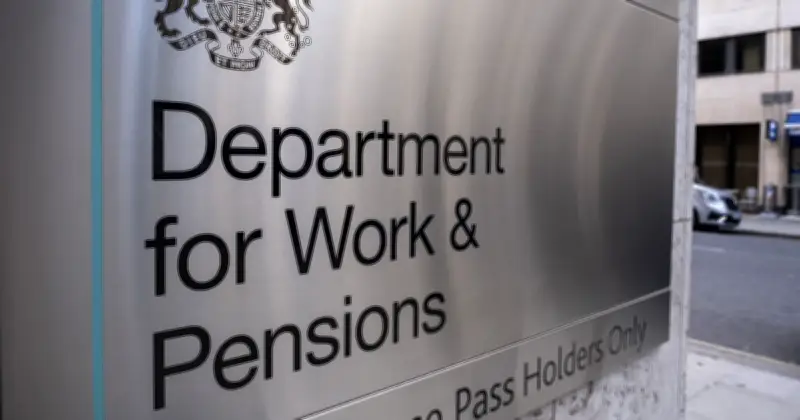
The Department for Work and Pensions (DWP) will introduce new checks on bank accounts for state pensioners as part of measures to tackle fraud and error in benefit claims. Budget 2026 documents published by HM Treasury confirm the DWP will be given powers to increase "preventative checks" in Pension Credit claims.
State pensioners on low incomes claiming Pension Credit will be required to redeclare the correct amount of capital they hold, to ensure they remain eligible for the benefit. The move is designed to help detect fraud, reduce incorrect payments and protect taxpayer money.
Eligibility Verification Measure
The DWP's new Eligibility Verification Measure (EVM) is expected to save taxpayers £1.2 billion by 2030/31. It will ask banks to help identify claimants who may have undeclared savings or remain abroad longer than benefit rules allow, two major drivers of fraud and error.
The new powers will see Pension Credit claimants subject to additional checks, along with those who receive Universal Credit and Employment and Support Allowance.
Pension Credit Details
Pensioners can claim Pension Credit from the DWP if they are on a low income and need help with living costs. In the current tax year, the benefit tops up weekly income to £238 for single claimants, or joint weekly income to £363.25 for those with a partner, and is paid separately to the State Pension.
Rates are due to rise by 3.9% in the 2027 to 2028 tax year, meaning from April it will be worth £247.30 per week for single pensioners and £377.40 per week for couples. When applying for Pension Credit, income is calculated taking into account State Pension, other pensions, savings, earnings and any social security benefits, all of which can affect eligibility or reduce payments.
How the Checks Will Work
Under new rules announced on October 26, the DWP will be able to use new powers to check if state pensioners are claiming the benefit fraudulently, including asking banks to flag accounts where data suggests certain benefit eligibility rules may no longer be met.
The powers will not give the DWP access to bank accounts, transactions or spending habits, but will allow the department to ask banks to check accounts against certain eligibility rules for benefits, and flag cases where further enquiries may be required. The DWP said a flag does not indicate fraud or wrongdoing, and no decision about a person's benefit entitlement can be made on EVM information alone.
Budget 2026 documents state that the DWP will increase preventative checks in Pension Credit claims by providing "prompts" to claimants to "redeclare the correct amount of capital they hold", helping to identify if they still meet the eligibility criteria to receive payments.
Minister for Innovation, Fraud and Debt Lilian Greenwood said: "Benefit fraudsters should be looking over their shoulder. These new powers will help us crack down on those who deliberately abuse the system, while ensuring people receive the right support at the right time.
"We are not interested in where people do their weekly shop or how much they're spending on new clothes. Banks will simply be asked to identify if somebody may no longer meet the rules for the benefits they receive, allowing us to investigate further where necessary.
"With £1.2 billion in savings expected by 2030/31, this is a major step forward in tackling fraud and error, protecting public money and ensuring support goes to those who genuinely need it."