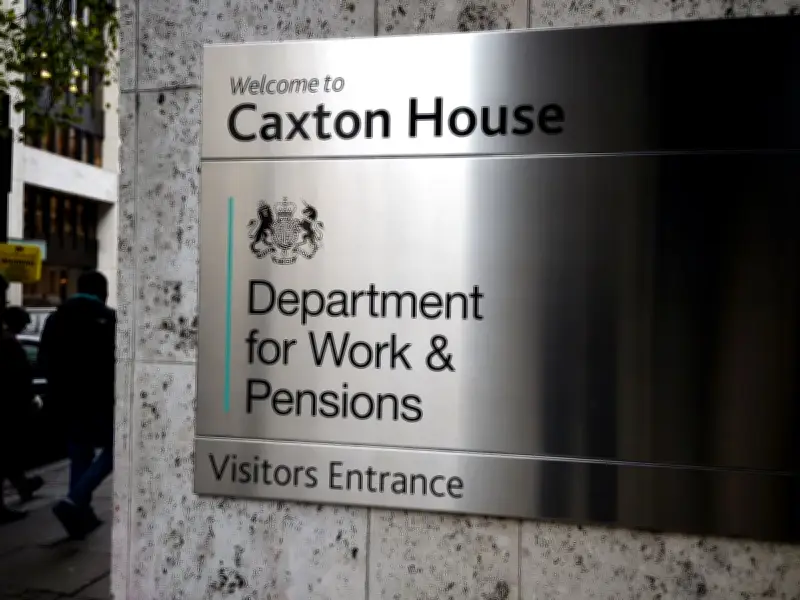
The Department for Work and Pensions (DWP) is set to gain the power to check the bank accounts of millions of pensioners and benefit claimants under new government rules. The department will share "eligibility indicators" with banks and other financial institutions as part of the Public Authorities (Fraud, Error and Recovery) Bill.
The measures are designed to ensure people receive the correct benefits they are entitled to. Financial institutions will check the information they hold on accounts receiving certain government payments, and where an eligibility indicator is met, they will share limited information with the DWP. This is intended to help identify incorrect benefit payments and to check benefit entitlement.
What Information Can Be Shared
Information that may be shared includes the names of all account holders, details of any accounts held, account numbers and sort codes. Other data could include how much money is in accounts and the dates of transactions, particularly if a transaction took place in another country.
However, the DWP cannot log into online banking or see an account in real time. Information that cannot be shared includes full statements, how money is spent, and sensitive information. The DWP will only use the data to help check benefit entitlement, identify incorrect payments, and support any enquiries into those payments if needed.
Strict Limits on Data Use
Banks and other financial institutions can be fined if they share information improperly. There are strict limits on what data can be shared and used, and the DWP cannot ask for information that breaks data protection laws. Where information is shared with the DWP that is not directly relevant to a benefit claimant, it will be destroyed in line with the DWP's Information Management Policy.
Plans Scrapped
The UK Government has scrapped plans that would have allowed DWP officials to directly inspect welfare claimants' bank accounts. Under Universal Credit rules, individuals with savings exceeding £16,000 are ineligible to claim unemployment benefits.
The original proposal, introduced to tackle fraud, was projected to save £200m a year. A replacement scheme will see banks carry out checks on accounts after Universal Credit has been paid and report back to ministers. Reports suggest the new approach could lead to higher levels of benefit fraud going undetected. If a claimant disagrees with a decision about their benefits, they can ask for the decision to be looked at again, a process called 'mandatory reconsideration'.