Governor Gavin Newsom's $20 billion Delta tunnel project cleared a regulatory hurdle last week, but faces far larger obstacles that could determine its fate. The Delta Stewardship Council voted six-to-one to require the Department of Water Resources to address only two of many challenges, a decision Newsom hailed as a milestone. However, experts warn that court rulings, water rights decisions, and cost concerns pose existential threats.
The project would pipe Sacramento River water through a 45-mile tunnel to the California Aqueduct, aiming to secure water for two-thirds of the state's population amid climate change. Opponents, including Delta communities, environmentalists, and the fishing industry, argue it would devastate one of the largest estuaries in the US, destroying towns, wildlife, and farms. The Delta already suffers from algal blooms, degraded water quality, and declining fish species.
Jeffrey Mount, a senior fellow at the Public Policy Institute of California, described the remaining challenges as 'existential.' Key hurdles include court rulings that have disrupted financing, pending water rights decisions from state regulators, and uncertainty over whether water agencies will find the tunnel's water cost-effective. Construction could start as early as 2029 and take 13 years, but Newsom's final year in office adds urgency.

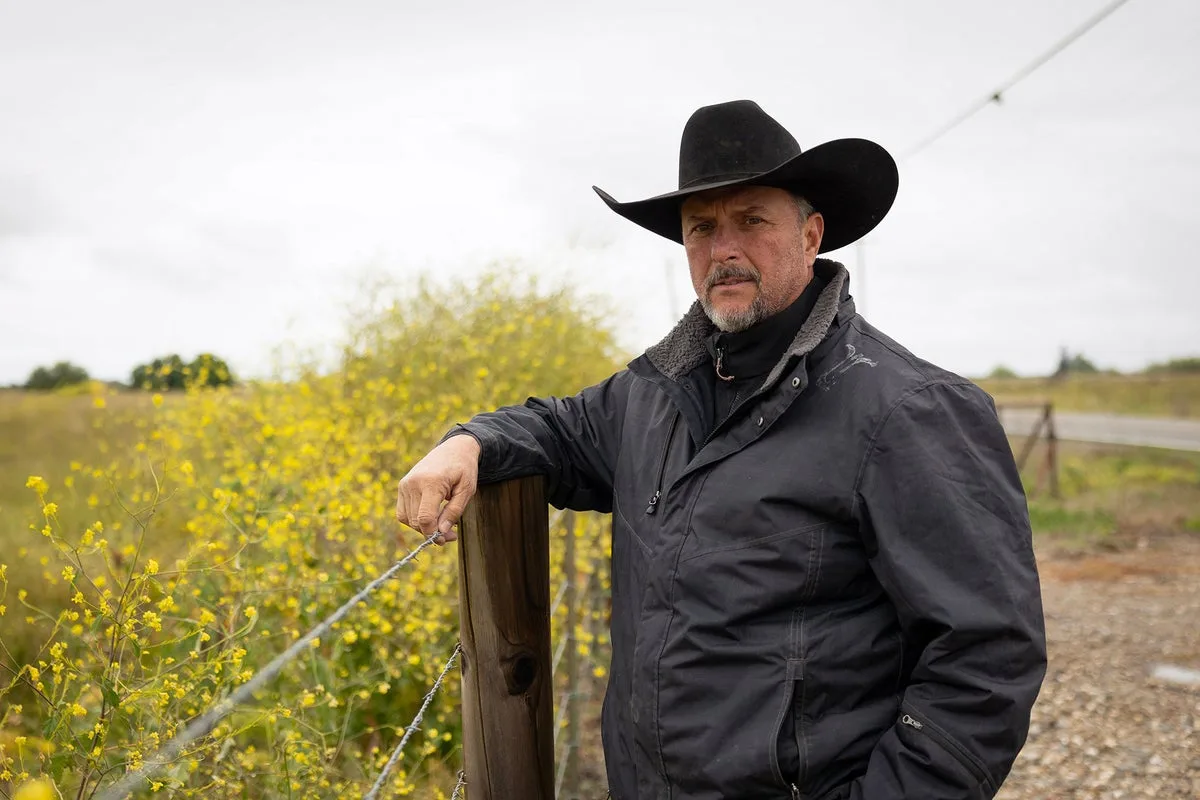
Local residents like Duane Martin Jr., a third-generation cattleman, fear the project's impact on their communities. Martin worries about truck traffic, noise, and a concrete batch plant planned for his grazing land. 'It's the community that they're going to impact,' he said. Despite the Delta's vulnerability to levees, earthquakes, and sea-level rise, opponents remain steadfast in their resistance.