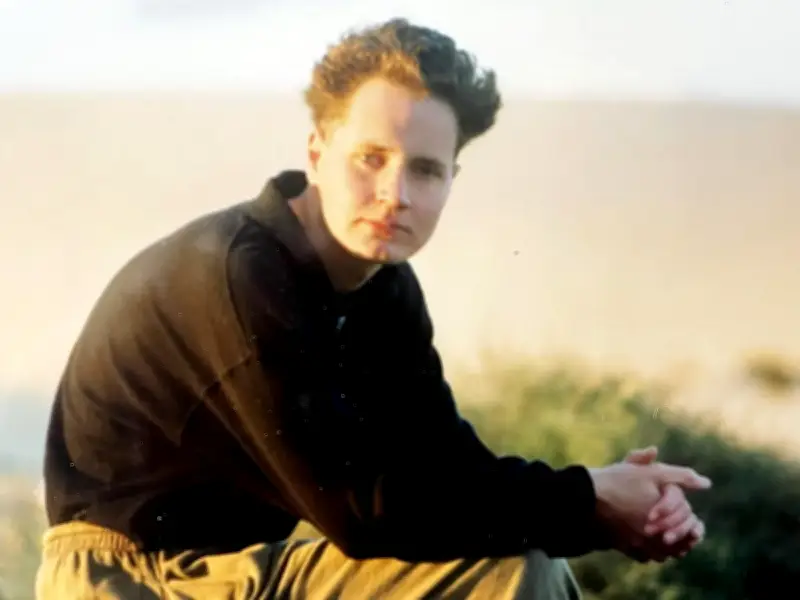
Ian Smith, 56, has spoken out about enduring a decade of exorcisms and other conversion practices aimed at "curing" him of being gay, an experience that left him suicidal and admitted to a psychiatric unit. He has given evidence to Parliament's joint committee considering the Draft Conversion Practices Bill, telling MPs he is among those who want the practice banned. There is currently no law in England and Wales which bans conversion practices.
A Decade of Trauma
Smith was 18 when he moved to Newport and became a born-again Christian. From 1987 to 1997, he took part in conversion practices, including exorcisms, across a network of churches and support groups in Wales and Bristol. This resulted in a decade of trauma and an admission to a psychiatric unit.
At one session, when he was about 20, Smith said he told the group he was attracted to men and asked for help. The women in the room were asked to leave and about 10 men gathered around him.
Smith, who lives in Cardiff, said: "They laid hands on me, spoke in tongues and shouted at the demons they believed were inside me. This went on for more than two hours. I remember being in a strange, disconnected state, writhing around on the floor as they continued to pray and shout."
Ongoing Harm and Failed "Cures"
For months afterwards he would wake up screaming in the night, so loudly that his neighbours thought his landlady was being attacked. Smith also saw Christian counsellors and went to peer-support groups where he was taught if he couldn't change his sexuality he must stay celibate and deny it. He was told his relationship with his father had made him gay, and that a better relationship with God could put it right.
He said: "This wasn't one person or one session. My whole environment became conversion therapy." As the years passed and his sexuality remained unchanged, Smith said he was repeatedly told the problem was his.
"The explanation was that I wasn't close enough to God," he said. "I hadn't prayed enough, trusted enough, or surrendered enough. No one considered that the attempts to 'cure' me might be causing the harm."
He found a diary entry from that time and it reads: "The past is to be forgotten, the present tolerated and the future feared."
Recovery and Advocacy
Smith eventually attempted to take his own life and was admitted to a psychiatric unit. There, an on-duty psychiatrist told him: "There is nothing wrong with being gay."
He said: "After years of prayer, exorcisms, therapy, and attempts to change, a single sentence offered something I had rarely been able to accept: perhaps I wasn't the problem."
Now a qualified counsellor, Smith says he continues to meet people facing similar struggles. Around six years ago, while working at Cardiff University, he encountered students who were suicidal because they were gay and believed they needed to change. He now runs Helpu, a men's mental health initiative in Wales focused on reducing male suicide.
He said: "I wasn't simply having these practices imposed on me against my will. I actively sought them out because I believed they could help me become the person I thought I ought to be. My willingness to participate did not make them harmless.
"Beyond individual cases, a ban sends a clear message to institutions and society: attempting to change or suppress someone's sexual orientation is unacceptable.
"Some individuals later apologised, but we cannot rely on people changing their minds or institutions acknowledging their failures. The law must set a clear standard to protect people."
Calls for Legal Change
Campaigners say existing laws do not adequately cover many forms of conversion practices, particularly those involving prayer, counselling and other attempts to change or suppress a person's sexual orientation.
Nathan Stilwell, head of press and campaign communications at Humanist UK, said: "Ian was subjected to exorcisms because he was gay, and was brought to the brink of losing his life.
"Yet most of what he endured would still not clearly be illegal today. That is why this law matters. Freedom of religion or belief is vital, and people must remain free to pray and to seek open, exploratory support. But it has never meant freedom to harm.
"We urge Parliament to pass a ban that protects everyone, with no loopholes for suppression or so-called consent."