The Department for Digital, Culture, Media and Sport (DCMS) has responded to questions about extending the compulsory TV licence charge to households that only access online streaming services, confirming that policy decisions will be set out in a White Paper expected by the end of the year.
The update comes as the government considers the BBC’s Royal Charter, which is set to expire on 31 December 2027. New BBC Director-General Matt Brittin has described the traditional TV licence fee as a “busted flush” and “yesterday’s model,” stating that the current system is “no longer fit for purpose”.
Question on Streaming-Only Households
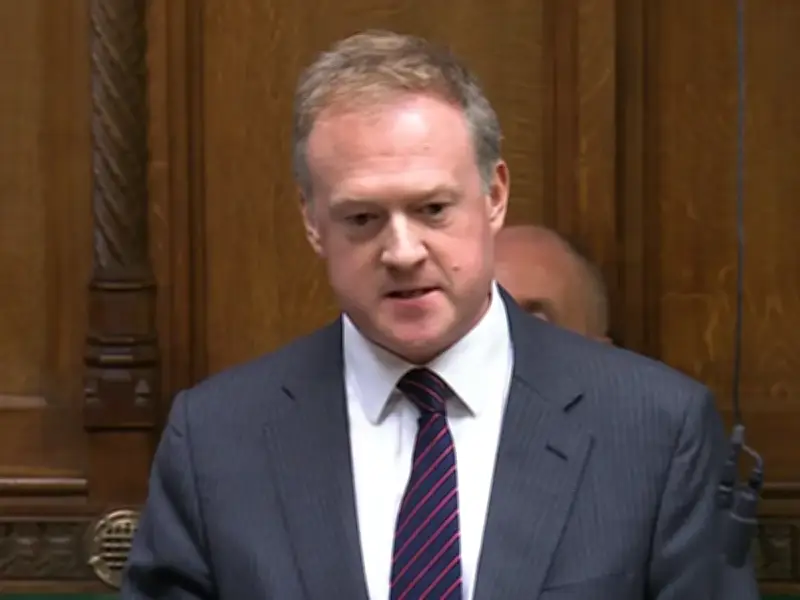
Conservative MP Gregory Stafford asked Culture Secretary Lisa Nandy what assessment her Department has made for extending a compulsory television licence charge to households that only access online streaming services.
In response, Ian Murray, Minister of State in the DCMS, said: “A TV licence is currently required to watch live TV on any service, and to watch or download any BBC programme on iPlayer. Households are therefore already required to hold a TV licence to watch live TV on a streaming service.”
Murray added: “As part of our ongoing Review of the BBC’s Royal Charter, we are looking at a range of options to support the BBC with sustainable and fair funding, including how the BBC can operate more efficiently, generate more commercial revenue, and how the licence fee could be reformed including the scope of services for which a TV licence is required. The government is considering responses to the public consultation on the Charter Review Green Paper and we will set out policy decisions in a future White Paper, expected to be published by the end of the year.”
Funding Options and Licence Fee Decline
Nandy has said she has ruled out the option of direct taxation, but other options are being considered. Speaking on BBC News, she said: “We’re looking at a number of options. The only thing we’ve ruled out is direct taxation, partly because of the cost-of-living pressures, but mostly because we are very concerned to safeguard the BBC’s independence.”
She added: “We’re looking at a number of options. The minute that I start ruling one out, people will suspect that there’s a master plan for others. The truth is, if it were easy to do this in a cost-of-living crisis, another government would have done it earlier. But we are determined to put the BBC on a sustainable financial footing in the fairest way we can.”
The cross-party Social Market Foundation (SMF) think-tank has suggested an £11 monthly ‘Home Internet Levy’ on existing consumer broadband bills to replace the existing BBC TV licence fee. The SMF said the charge would be nearly £50 cheaper than the current £180 licence fee.
Licence Fee Numbers
The BBC is losing around 500,000 licence fee payers a year, with total active TV licences dropping to 23.3 million, down by about 539,000 in a single year. Around 3.6 million people formally state they do not need or have a licence.
People who only stream on services like Netflix, Disney+, Amazon Prime, and YouTube and never watch live TV do not need a licence. The government’s White Paper, expected by the end of the year, will set out the policy decisions on the future of the licence fee.