

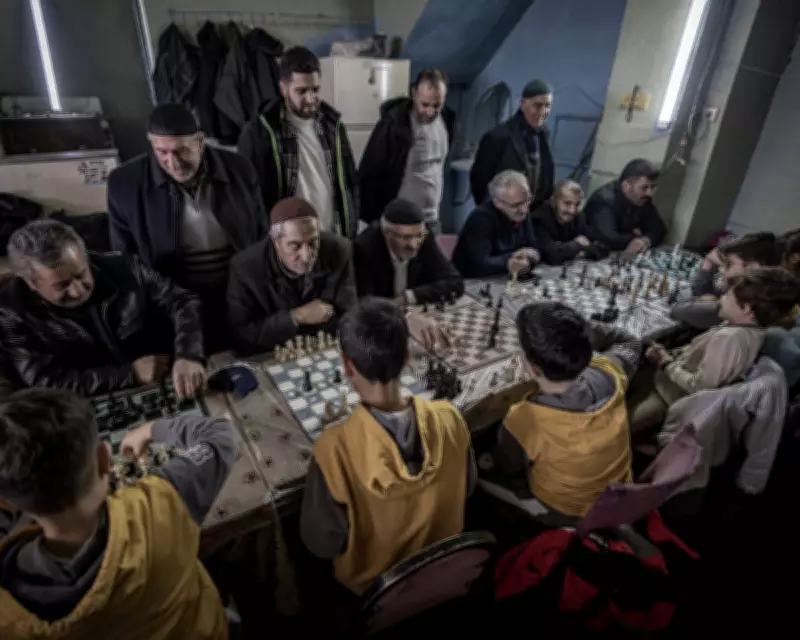
Chess Emerges as a Beacon of Hope in Turbulent Times
In an era marked by uncertainty and adversity, the ancient game of chess is experiencing a remarkable resurgence, offering players not just intellectual stimulation but also emotional solace and a sense of belonging. According to recent findings, the strategic depth and social aspects of chess have made it a crucial tool for coping with personal struggles and broader societal challenges.
The Therapeutic Power of Chess
Experts point to chess's unique ability to engage the mind fully, providing a welcome distraction from daily stresses. The game requires intense focus and problem-solving, which can help reduce anxiety and improve mental clarity. For many, the quiet concentration of a chess match serves as a form of meditation, allowing players to temporarily escape the pressures of modern life.
Community connections forged over the chessboard have proven equally important. Local clubs and online platforms have seen a surge in participation, with players of all ages and backgrounds coming together to share their passion. This sense of camaraderie has been particularly valuable during periods of isolation, such as the recent global health crisis, where virtual chess tournaments provided a lifeline for social interaction.

Chess's Role in Personal Resilience
Beyond its cognitive benefits, chess teaches valuable life skills like patience, perseverance, and strategic thinking. Players often report that the lessons learned on the board translate into improved resilience in their personal and professional lives. The game's structured nature offers a predictable environment in an unpredictable world, fostering a sense of control and accomplishment.
As one enthusiast noted, "Chess has been my anchor during dark times, giving me a purpose and a community when I needed it most." This sentiment is echoed by many who have turned to the game as a source of stability and joy.
Looking Ahead: The Future of Chess
The growing popularity of chess suggests its benefits are being recognized on a wider scale. Schools and community centers are increasingly incorporating chess into their programs to support mental well-being and social development. With ongoing innovations in digital platforms, the game is becoming more accessible than ever, promising to continue its positive impact for years to come.
In summary, chess is more than just a pastime; it is a powerful ally in navigating life's challenges, offering both intellectual engagement and heartfelt connection in an often chaotic world.






