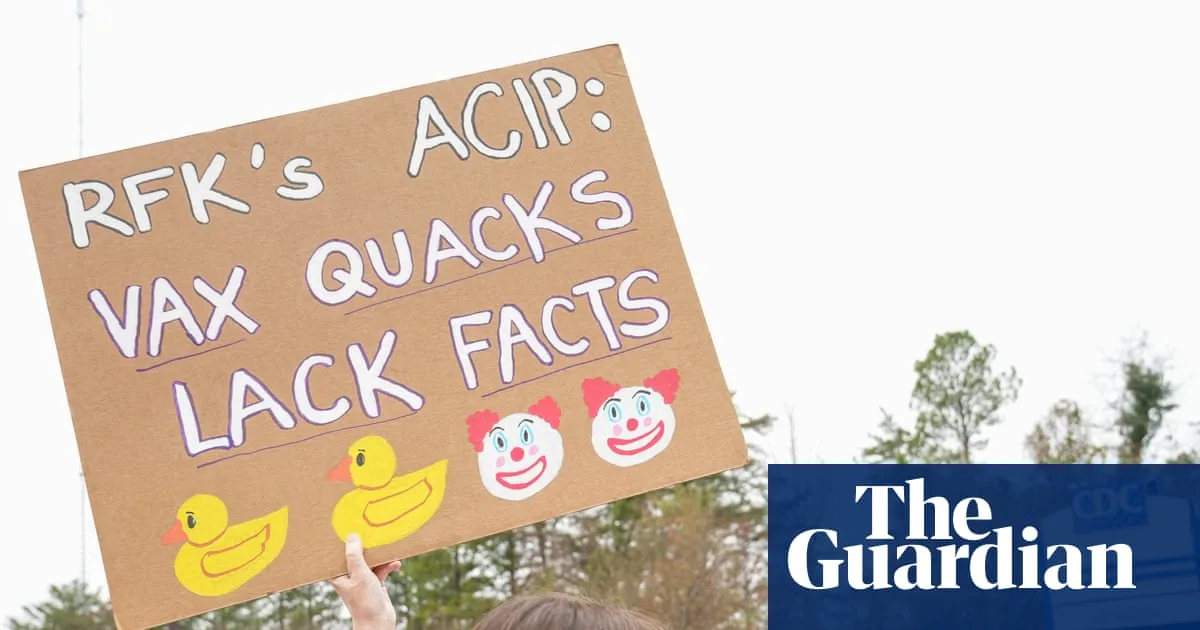
Scientists and doctors are raising concerns over a series of decisions by US health agencies to quash studies, halt publications, and cancel research on vaccines, warning that the moves threaten public health and obscure important scientific information. Studies on the safety of shingles and Covid vaccines were reportedly suppressed before publication by the US Food and Drug Administration (FDA), while the top acting official at the US Centers for Disease Control and Prevention (CDC) abruptly halted a study on Covid booster effectiveness. Additionally, research at the National Institutes of Health (NIH) has been terminated or not approved due to keywords such as 'hesitancy' and 'misinformation'.
Experts argue that these actions damage the reputation of health agencies and public trust in science. Michelle Barron, a professor at the University of Colorado School of Medicine and co-author of the halted Covid vaccine study, said the science behind the studies has been 'lost in the mist'. She stressed the continued importance of Covid, flu, and measles shots. The chill on communications extends beyond government employees; a naturopathic physician in Seattle, Elias Kass, was told by a conference organizer that a CDC representative flagged his presentation for mentioning 'equity' and 'a pregnant person', requiring changes due to executive orders on diversity, equity, and inclusion.
Kass described the intervention as censorship, noting that the executive order dictates word choice without oversight. He modified his slides but highlighted the CDC as the source of a quoted text. The CDC study on Covid boosters was pulled by Jay Bhattacharya, who leads the CDC, citing methodological weaknesses. However, a leaked copy showed standard methodology, according to experts. Jeremy Faust, an emergency physician and editor of Inside Medicine, said the paper underwent normal scientific review and should not have been controversial.