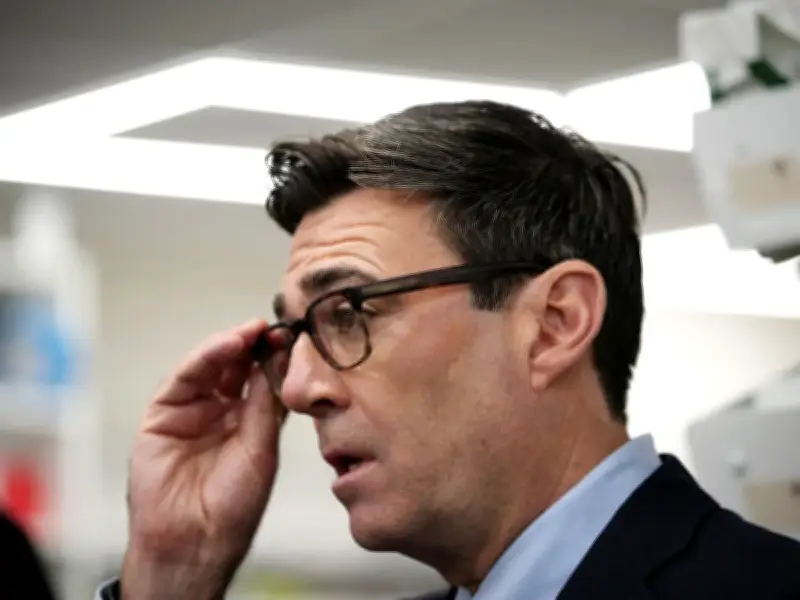
Prime Minister Andy Burnham has issued a statement following the approval of drilling at the Jackdaw gas field earlier this week, pledging that the UK will still meet its net zero target despite the decision and arguing it will strengthen energy security.
On Wednesday (October 21), ministers announced that the Jackdaw gas field, located 150 miles east of Aberdeen in Scotland, had been approved after years of uncertainty and a court case. The gas field was originally licensed in 2022, but consent was withdrawn three years later.
Legal challenges and approval
Environmental campaigners had launched a legal challenge over the approvals after a 2024 Supreme Court ruling that emissions created by burning fossil fuels should be considered when granting planning permission for new drilling sites. That challenge was upheld at the Court of Session in Edinburgh in January 2025.
In an announcement on Wednesday morning, Energy Secretary Miatta Fahnbulleh confirmed that drilling at the Jackdaw gas field has now been approved. The decision drew criticism from some Labour backbenchers and environmentalists, while Conservatives called on the Government to also approve the Rosebank oil field, west of Shetland in Scotland’s north.
Prime Minister's defence
Writing in The Guardian, Mr Burnham said: “There has been much speculation about what this announcement means for Britain’s commitment to addressing the climate crisis. I want to be clear that our determination is unwavering.”
He added: “The simple truth is that even as we pursue our ambitious target of net zero by 2050, we will need oil and gas for years to come as a bridge to that clean-energy future.”
Mr Burnham said the decision would “significantly strengthen our energy security by increasing domestic gas production by about 6% and support the UK’s energy supply for more than a decade”. He also reaffirmed Labour’s manifesto pledge to block new North Sea licences, stating: “The climate crisis is no distant threat. It is here, on our doorstep, affecting people’s lives and livelihoods.”
He added that the “acute global instability” affecting energy and gas prices meant it made sense to “responsibly use our resources here at home”. The PM wrote: “I want Britain to make that transition on our terms: reducing our dependence on foreign fossil fuels, supporting good jobs and growing our economy so we can help people with the cost of living.”
Opposition and criticism
Despite speculation, Energy Secretary Ms Fahnbulleh confirmed that the opening of Jackdaw will not bring down UK household bills. The approval comes after a summer of extreme and record-breaking temperatures, thought to have been exacerbated by burning fossil fuels, with UK firefighters contending with record wildfires, disruption to public services and transport, and widespread drought.
Zack Polanski, the leader of the Green Party, called the decision “climate vandalism”. He said: “Today’s decision by Labour is a betrayal of all of our futures, Labour has abandoned all credibility in the fight against climate change. The energy secretary has herself said it will make no difference to energy bills, the health secretary has admitted the summer heatwave added to pressure on the NHS and the industry’s own assessment is that will create only 27 jobs. This is a victory for Shell over the people.”
Campaign group End Fuel Poverty Coalition also opposed the move, with Co-ordinator Simon Francis saying: “The approval of Jackdaw will boost Shell's profits while doing nothing to lower bills. The gas will be sold at international market prices, so households stay tied onto the same gas price rollercoaster that has caused the almost constant energy bills crisis we are living through. The North Sea is a basin in decline and new drilling won’t reverse that, it just prolongs the country’s exposure to the price shock profiteers’ agenda. Ministers should be focussed on the future and the homegrown renewables, home upgrades and energy market reform that will actually cut energy costs for households.”