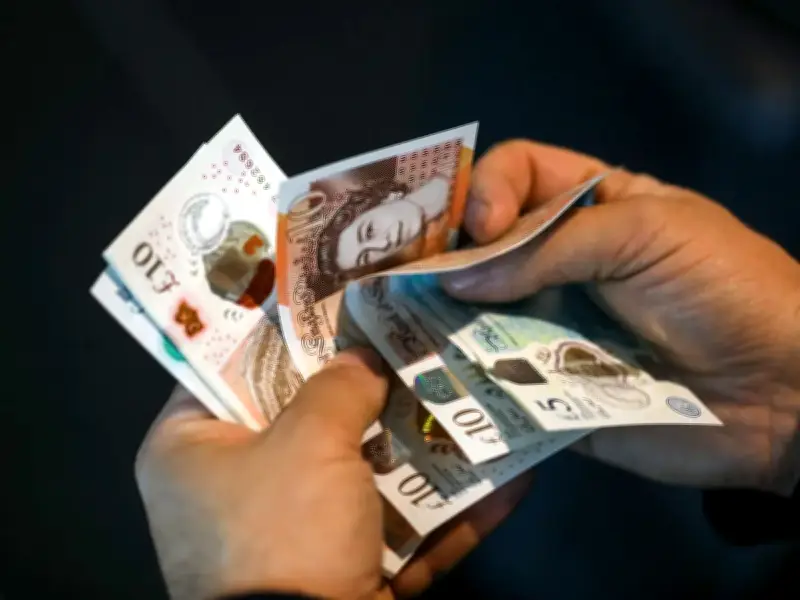
The Budget 2026 delivers a £100 payment to 20 million households in council tax bands A to D to help with energy bills, while state pensioners are shielded from income tax for the first time as the state pension rises above the personal allowance.
Chancellor John Healey promised “a Budget for the working people of Britain”, with help for rising energy bills and a fuel duty freeze for drivers. Low-paid workers were also handed a pay rise, though the tax-free personal allowance remains frozen, which means people get dragged into paying tax for the first time, or pushed into higher tax rates, when their wages go up.
Winners: pensioners, workers and energy bill payers
Low income state pensioners will be protected from paying income tax, with their personal allowance set to match the full state pension. The state pension is set to rise to £13,036 a year from next April, in line with the triple lock, which means it will be above the £12,570 tax-free personal allowance. By increasing the personal allowance for state pensioners, anyone who only claims the state pension and no other sources of income will not have to pay tax. But those with a private pension or a higher state pension, for example through additional payments or if you deferred your state pension claim, will still face a tax bill.
The minimum wage will increase by 3.9% for 2.3 million workers. The minimum wage for workers aged 21 and over is currently £12.71 an hour and will rise to around £13.20, while the rate for workers aged 18 to 20 will go up from £10.85 an hour to around £11.27. However, as the tax thresholds remain frozen, more of your income risks getting pushed into a higher tax bracket, depending on how much you earn.
A new £100 payment has been announced for 20 million households living in council tax band A to D properties, to help with rising energy bills. This money will be paid into people's bank accounts. The government has also confirmed that standing charges on gas bills are being axed, in a move expected to save 60% of households an average of £45 off their annual bill. But the cost will be shifted to the unit rates, which means high-usage households could end up paying more. The changes will be introduced from January 2027. It comes after the Prime Minister removed VAT on electricity bills this month, though the saving was swallowed up by higher wholesale costs. The VAT cut had been due to end in March 2027, but this has now been extended until July 2031.
Drivers, savers and first-time buyers benefit
Drivers have seen the price of petrol and diesel soar since the start of the Iran war, with diesel hitting £2 per litre last month. In response, fuel duty has been frozen for a 16th year running. Fuel duty is a tax on petrol, diesel, biodiesel and bioethanol and is included in the price you pay for every litre of fuel you buy. It had been due to rise by 3p in January, then by another 2p in March, reversing a 5p cut that had been in place in 2022. The 5p will now not be reversed until July 2027. The headline fuel duty rate is 52.95p per litre.
The planned cut to the cash ISA allowance from £20,000 a year to £12,000 has been axed, in a boost for savers. The cut had been due to happen next April for savers under the age of 65. It was announced in the 2025 Budget by then-Chancellor Rachel Reeves, with the government hoping it would encourage younger savers to invest in the stock market instead. However, in not-so-good news for savers, the tax on income from savings will rise to 24% for basic rate taxpayers from April 2027, having been scheduled to rise to 22%. The savings higher rate will be 44%, and the savings additional rate will be 49%.
A new first-time buyer scheme called Your First Home scheme will help people get on the property ladder with a deposit of just 2.5%. The Government would then provide a loan worth 20% of the property value to help pay for the purchase. This equity loan will initially be interest-free. However, critics have warned of the risk of buyers falling into negative equity, when the amount of money you owe on your mortgage is greater than the current market value of your house, if the value of the property falls. The Lifetime ISA penalty is also being reduced from 25% to 20%, meaning you will get back roughly what you have saved, plus interest, though not your bonus, instead of part of your original savings being wiped out. The Lifetime ISA allows you to save £4,000 a year and you get a £1,000 bonus from the government, but the money has to be used for your first home or retirement. There is also a new First Time Buyer ISA planned, which is replacing the Lifetime ISA. The bonus with the First Time Buyer ISA will only be paid out on completion of a property and this ISA cannot be used for your retirement.
Small businesses gain relief
The threshold for small business rate relief for retail hospitality and leisure businesses will be increased from £12,000 to £18,000. The shift takes an estimated 70,000 additional businesses completely out of paying business rates. In order to qualify for this relief, your business must occupy primarily one property.
Losers: taxpayers, smokers, drinkers, gamblers and landlords
The tax thresholds remain frozen, which means as your salary increases, a larger portion of your income gets pushed into higher tax bands, something known as fiscal drag. The personal allowance, which is how much most people can earn before they start to pay income tax, is £12,570. It is currently set to be frozen at this level until 2031. You pay 20% tax on earnings between £12,570 and £50,270, then 40% on earnings between £50,270 and £125,140 and 45% on earnings over £125,140.
Vape shops will be excluded from business rates relief starting from April 2027, meaning shops may have to increase prices to absorb the extra costs. As of this month, all vaping products are now subject to a new Vaping Products Duty. This change saw a flat rate tax of 22p per millilitre added onto vaping liquid, costing someone who buys a 10ml bottle of e-liquid an extra £2.20 in duty. Cigarettes also went up this month, in line with RPI inflation plus an additional 2 percentage points. Tobacco duty is normally increased at the Budget, but it was moved forward in line with the vape tax.
The government will increase alcohol duty rates in line with RPI from next February. The exact month's data for RPI to be used is not confirmed, but in the last three years, the tax on a bottle of wine has gone up by £1.32 and tax on a bottle of gin has increased by £1.65. However, the Chancellor also announced £10million in alcohol duty relief for around 2,000 small brewers and cider makers.
An increase in taxes on gambling companies was announced, impacting companies such as Ladbrokes and William Hill. The Chancellor announced he will increase Machine Games Duty, a tax on the net takings from some slot machines, to 25% from 20%. The tax landlords pay on profits from renting out homes will also rise from next April. The basic rate will be 24%, the higher rate will be 44%, and the additional rate will be 49%.