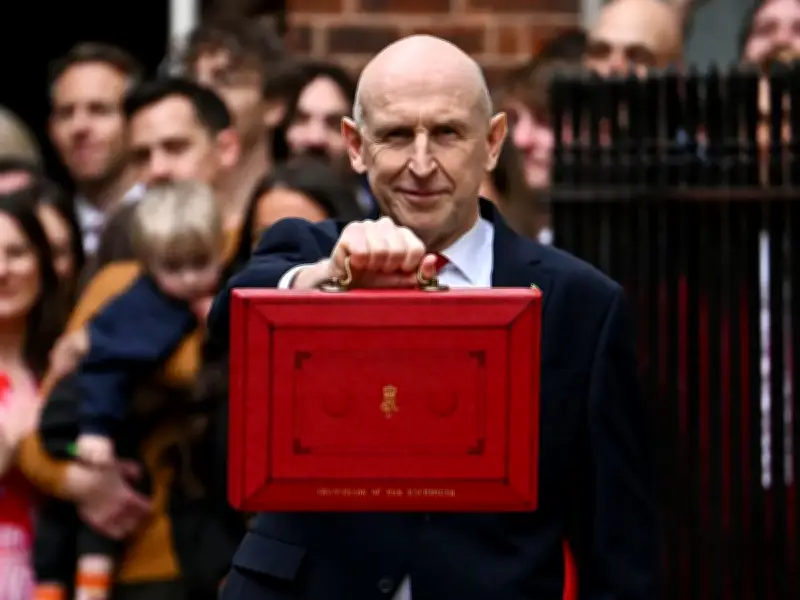
Chancellor John Healey's first Budget, unveiled on Wednesday, October 28, includes a one-off £100 Household Energy Payment for eligible households in council tax bands A to D in England, alongside a fuel duty freeze and minimum wage increases. The Government said the package would give families "breathing space" as energy bills are predicted to surge to an average £2,200 a year in January.
Energy Support Package
The payments will begin from January under a £2.6 billion support package for 20 million households in council tax bands A-D in England, who will get the £100 paid directly into their bank accounts. "That's a £2.6 billion scheme to take the pressure off in the coldest months and see people through to the spring," the Chancellor said.
Scotland, Wales and Northern Ireland will receive funding so their governments can arrange similar support. An additional £100 million will also go to councils in England to help households struggling with energy costs, including those outside the qualifying bands. Temporary VAT relief on domestic electricity will be extended until the end of June 2027, expected to save the average customer around £50 a year.
Fuel Duty and Standing Charges
Drivers will avoid a scheduled fuel-duty increase after the existing 5p-a-litre cut and freeze were extended until July 1, 2027. That keeps the tax lower than it would otherwise have been, but does not guarantee cheaper petrol or diesel at the pumps.
The Government also announced plans to remove standing charges from household gas bills. These are the fixed daily fees customers pay regardless of how much gas they use, with similar plans for electricity bills. Ofgem has been asked to deliver the change in 2027, or as soon as possible afterwards. However, the costs will move into gas unit rates rather than disappear altogether. Lower-use households could benefit, while heavier users could pay more. The Government says targeted protection for some households will be set out later.
Wages and Benefits
Workers on the legal minimum wage will see their hourly pay rise from April 1, 2027. The National Living Wage for those aged 21 and over will increase from £12.71 to £13.21. The rate for 18 to 20-year-olds will rise from £10.85 to £11.27, while the under-18 and apprentice rates will increase from £8 to £8.31.
Most working-age benefit rates covered by the annual review will rise by 3.5% from April. The Universal Credit standard allowance for a single person aged 25 or over will increase by around £219 a year, with an increase of around £344 for couples where at least one person is 25 or over. However, Local Housing Allowance rates, which help determine support towards private rents, will remain frozen for 2027/28. This comes as then Greater Manchester Mayor Andy Burnham had called for an end to the freeze as it would "make a real difference in preventing homelessness".
Income-tax thresholds also remain frozen. The standard personal allowance stays at £12,570, meaning pay rises can leave more earnings subject to tax. Workers can therefore lose a greater share of their income to tax even without an increase in the headline rates. Income-tax bands for earnings differ in Scotland.