Households across the UK are being advised to keep a small amount of physical cash at home in case of an emergency, as part of the Government's 'Be Ready' campaign. The guidance aims to ensure families can still buy essentials if electronic payments or ATMs are disrupted.
Cash Still Vital in a Digital Age
Graham Mott, director of strategy at LINK, the UK's cash machine network, said: "Cash is still very important and popular. Last year, almost £80billion was withdrawn through over 32,000 free-to-use ATMs across the UK. That's around £1,250 for every adult in the UK."
He added: "People like using cash because it's tactile, easy to budget with, and if card readers or payment systems fail, then cash always works."
How Much Cash to Keep at Home
The Government says the amount of cash to keep in the house to "be ready" for an emergency depends on your family's size and needs. However, based on other European countries that have recently issued similar guidance, Mr Mott said: "We'd suggest around £50 per adult and £25 for children. This is to cover essentials, not all everyday spending."
Keeping too much cash at home can pose a security risk. Police guidance recommends storing money and valuables in a well-hidden, fire-rated safe, adding: "Secure your safe by bolting it to the wall or floor."
It's also worth making sure you have a range of denominations, plus some coins. Mr Mott said: "The good news is that our ATMs, bank branches and Post Offices are well-stocked should people need to take a bit of extra cash over the next few weeks and months."
Be Ready Campaign Details
Households are being urged to take simple steps to stay prepared for temporary disruptions to power, water, phones, and the internet. The advice marks the first stage of the Government's three-year 'Be Ready' campaign, designed to help UK homes cope with emergencies such as war, cyber attacks and severe weather.
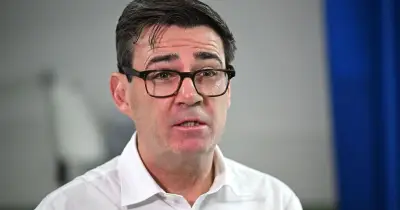
Prime Minister Andy Burnham said, "Unexpected events seem to be becoming more and more common". He added: "It's not about panicking... It's about just taking sensible measures to have enough in the house to tide you over should there be a difficult situation."
The campaign focuses on straightforward steps people can take in advance, including signing up for the Priority Services Register - a service that helps gas, water, and electricity companies identify customers who may need extra support in an emergency - and keeping a small supply of non-perishable food and bottled water at home. The Government also suggests having an FM radio, either battery-powered or wind-up.
The advice comes after Defence Secretary Wes Streeting recently said the country faces "a greater risk of war than at any point in my lifetime." Dan Jarvis MP, Security Minister, said: "Those who can follow this advice should follow this advice. By taking simple steps to be ready for everyday emergencies like severe storms, people can reduce pressure on emergency services, helping them prioritise people who need more support in an emergency."
He added: "This is just the sort of community-focused campaign the UK needs to improve our resilience as a nation. It will bring us into line with European counterparts, where advice like this is a normal part of everyday life."