Big 12's Brett Yormark Advocates SCORE Act as Key Solution After White House Summit
Brett Yormark Backs SCORE Act Post-Trump White House Meeting

Big 12 Commissioner Brett Yormark Champions SCORE Act Following White House Summit

Big 12 Commissioner Brett Yormark has declared the SCORE Act as the optimal solution for tackling the escalating financial challenges in college athletics, following a high-level meeting at the White House with President Donald Trump and other key stakeholders. Yormark described the discussions as "very constructive" and emphasised the urgent need for federal intervention to stabilise the sector.

Constructive Dialogue at the White House

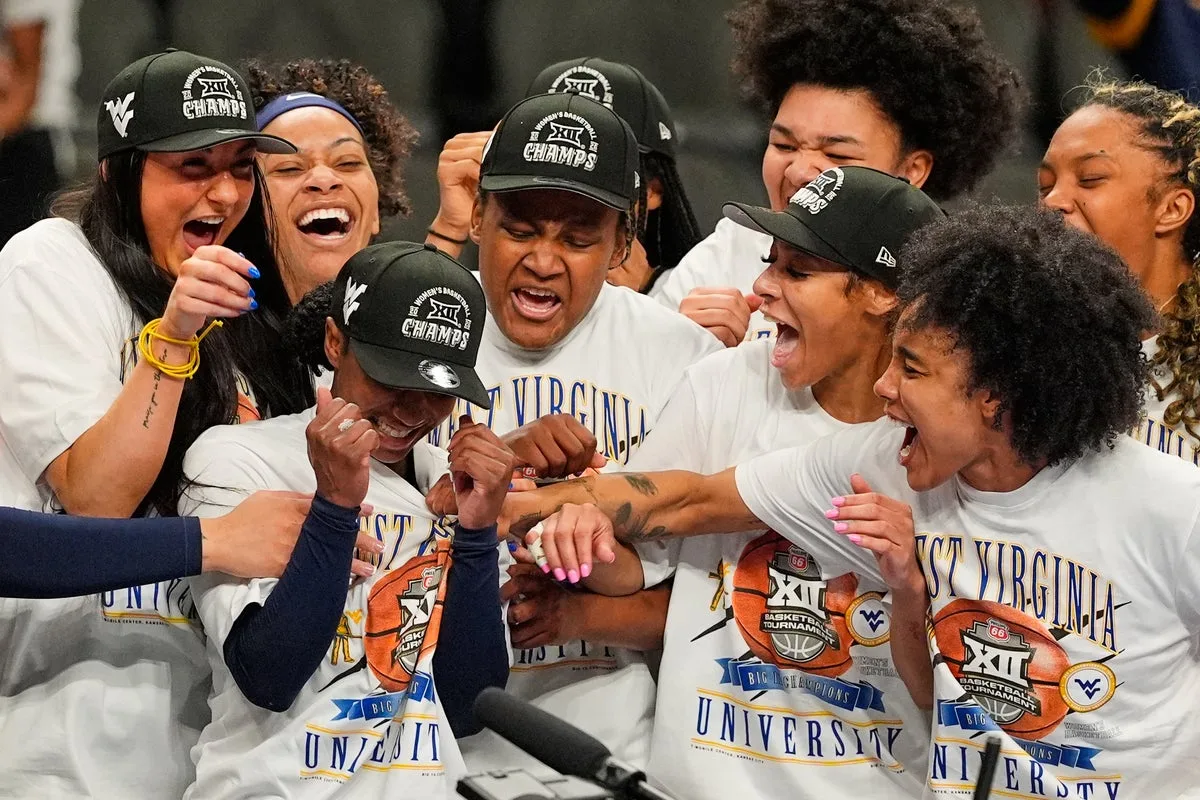
Speaking ahead of the Big 12 Tournament, Yormark highlighted that all participants in last week's meeting agreed on the necessity of swift action to address the spiralling costs associated with name, image, and likeness (NIL) payments to college athletes. However, consensus on the method and extent of federal involvement remains elusive. The SCORE Act, which has garnered Trump's endorsement, proposes a limited antitrust exemption for the NCAA and aims to preempt state NIL laws, though it faces criticism from Democrats who view it as overly favourable to the NCAA and its dominant institutions.

Momentum and Challenges for the SCORE Act

Yormark expressed optimism about the bill's prospects, stating, "I think there's real momentum for the SCORE Act, and we need it. It provides meaningful guiding principles for federal legislation." He acknowledged the bill's imperfections but framed it as a crucial step forward in a gradual process. Despite support from House Speaker Mike Johnson and indications of growing backing in the lower chamber, passing the SCORE Act through Congress is anticipated to be a formidable task, compounded by political divisions.

Trump's Executive Order and Broader Concerns

In response to the meeting, Trump announced plans to draft an executive order on college sports, citing concerns that the current system threatens the viability of educational institutions. He lamented the shift away from scholarship-based models, warning that excessive payments in high-revenue sports like football and men's basketball could lead to financial insolvency for schools and marginalise smaller sports and women's athletics. Trump's involvement underscores the issue's priority amid other national crises, such as the war in Iran and government shutdowns.

Key Provisions and Protections of the SCORE Act

Yormark outlined why he believes the SCORE Act is the most sensible approach, pointing to its provisions for federal and liability protection, which would enable better enforcement of rules currently being neglected. The bill also includes robust student-athlete safeguards and explicitly states that athletes are not employees—a point Yormark stressed based on his interactions with players. While the act does not prevent lawsuits, it offers schools a degree of legal security amid a surge in athlete-led litigation across the country.

Looking Ahead with Determination

Reflecting on the White House meeting, Yormark adopted a forward-looking stance, saying, "I never look back. I'm not that type of guy. I like to look forward." He noted that Trump is expected to issue an executive order within a week, and efforts to advance the SCORE Act are intensifying. As the college sports landscape grapples with financial pressures, Yormark's advocacy highlights a pivotal moment for regulatory reform.