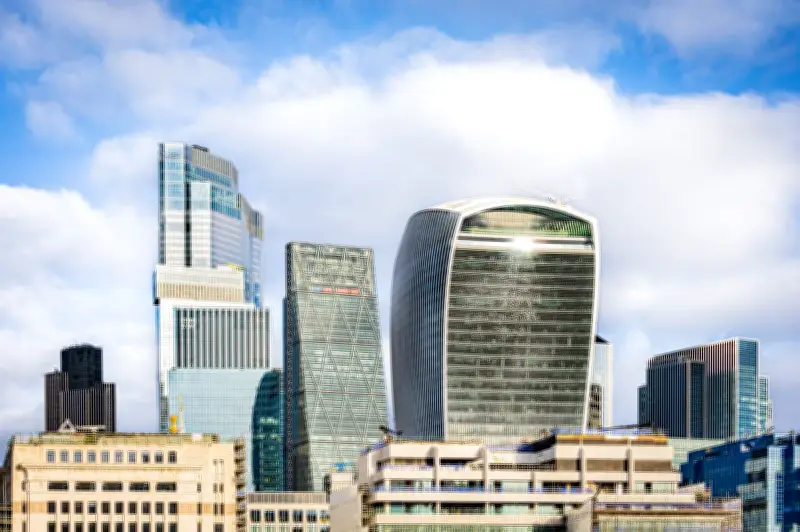
Bank boardrooms reacted with relief rather than celebration to Chancellor John Healey's Budget, after he imposed an extra three per cent surcharge on their profits. The additional charge, which lasts for 15 months, takes the total tax rate on bank profits to 31 per cent: 25 per cent corporation tax plus the temporary six per cent surcharge.
While that figure is substantial, the banks had prepared for a heavier hit. The six per cent rate remains below the eight per cent surcharge introduced by the Conservatives in 2016, which was later cut to three per cent before this temporary increase.
A Well-Trailed Move
The change had been widely anticipated, and the banks had received reassuring messages from Healey. In his Budget speech, he praised their “world-leading contribution to the country”, though the warm words came with a sting. The financial services industry was singled out once again, with the UK and London's successes, as Healey described them, made to bear the cost.
In financial terms, the additional charge is unlikely to cause significant damage. Healey was able to act because the banks have been reporting strong profits. HSBC announced a 32 per cent rise in profits for the three months to September, reaching £7.14 billion, while Barclays reported a 12 per cent increase for the same period, to £2.3 billion. These figures are quarterly, not annual, reflecting the benefits of higher interest rates and inflation for UK lenders.
Banks Make Their Case
The major UK banks have continued to close high street branches, relying more on technology and moving away from direct contact with ordinary customers. Against this backdrop, along with the collective memory of the 2008 crisis, the subsequent austerity period, and a perceived lack of contrition from the banks, it is unsurprising that the Government, encouraged by trade unions, sees them as a target.
One senior banker argued strongly for the banks' exclusion. Jamie Dimon, chief executive of JP Morgan, highlighted the benefits banks bring, including investments, business financing, and job creation. Dimon also pointed to the new £3bn tower his company plans to build at Canary Wharf, suggesting that punitive treatment could risk losing that scheme, which he said would boost the UK economy by £10bn. He also warned of the negative signal such a tax would send to international investors, who might be reluctant to commit funds to a country that treats their investment as an accessible cash source.
Healey listened to Dimon, meeting and speaking with him more than once. Other voices were also heard. While the Chancellor would likely have preferred to exclude foreign banks from the increase, that would have been practically difficult, if not impossible.
Market Reaction and Future Risks
The UK banks also lobbied against the measure. Barclays' chief, CS Venkatakrishnan, warned that a fresh bank tax would hurt growth and undermine economic plans. The industry body UK Finance made similar arguments, noting that other nations do not require banks to pay such high taxes. It was also claimed that while conditions are currently favourable, bank profits can fall.
For Barclays, there was a subtext: a new charge would reduce profits and stock market value, making the bank vulnerable to takeover. In the event, Barclays shares rose 2.11 per cent on the news, a sign that the City felt the banks had been treated leniently.
To soften the impact, Healey has indicated he is leaning towards a lighter regulatory regime for the City, a move that was welcomed. The absence of a concerted drive against the wealthiest individuals, which would have been viewed negatively by overseas investors, was also noted. These factors, along with Healey's efforts to ensure every measure was fully funded, explained the muted but positive reaction in the markets, with UK gilts and stocks generally rising after his address.
The extra three per cent, although temporary, signals a direction of travel. Healey, despite his praise, felt able to tax the banks in his first Budget and could do so again. He comes across as pragmatic and sensible, earning him admirers in the City, but there are those on the backbenches and in the wider Labour movement who take a different approach.
The pressure to repeatedly tax the banks has not diminished. The challenge for the banks and the City is to make a stronger case and convince Healey and his colleagues of the good they do. They can raise a glass, but in cautious relief, not triumph, as they still have work to do.