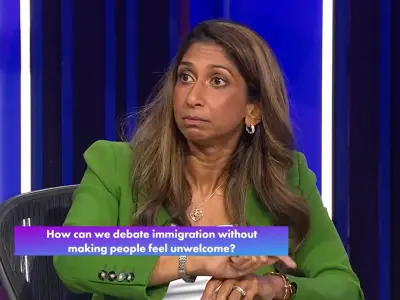
Conservative leader Kemi Badenoch has set out an eight-point plan to cut welfare spending by £36 billion. The party argues that reducing the UK's benefits bill is essential to fund increased defence spending and provide tax cuts for working people.
Why the Conservatives say cuts are needed
Under Labour, working-age welfare spending is forecast to climb from £126.4 billion in 2023-24 to £171.6 billion a year by 2029-30. The Conservatives argue this has to stop. They also want to cut Government borrowing, which currently costs taxpayers £111.2 billion every year just in interest payments.
The eight benefit changes
The eight changes announced by Mrs Badenoch are:
- Bring back the two-child limit – A Conservative government would reverse Labour's decision to scrap the two-child limit in Universal Credit. They argue that working families have to ask whether they can afford another child, and families on benefits should face the same choice. This will save £3.1 billion per year.
- Create a “Subsistence Allowance” – Universal Credit claimants who have spent more than six months looking for work, and who have not paid enough National Insurance contributions in the past, will move onto a Subsistence Allowance worth 70% of the Universal Credit Standard Allowance. Instead of getting cash, they will receive a Back to Work Card that cannot be spent on alcohol, cigarettes, gambling or cash withdrawals. This will save half a billion pounds per year.
- Tighten the household benefit cap – Conservatives would tighten the cap, which limits the total amount any household can get in benefits, and end a current rule that means the entire household is exempt if just one person receives a disability benefit. At the moment, the most anyone can receive is £2,110.25 per month if they are a single parent in London.
- End VAT breaks for Motability – A Conservative government would remove VAT relief on vehicles leased under the Motability scheme, which allows people with certain disability benefits to get a car.
- Reform housing benefit – Local Housing Allowance caps will be set at the cheapest 10% of local rents rather than the cheapest 30%, and then rise in line with local housing costs. In practice, this means housing benefit will be cut for some people. These reforms will save £4.5 billion per year.
- End benefits for foreign nationals – Non-UK nationals will no longer be able to claim benefits. The rights of EU nationals with settled status protected by the withdrawal agreement will be honoured, so they will retain their entitlements. The welfare system should be for British citizens who have paid into it. This will save £9.5 billion per year.
- Overhaul sickness and disability benefits – Conservatives will make it harder to claim some benefits, for example, by stopping people from claiming disability benefits for low-level mental health conditions. There will be more rigorous assessments of who truly needs benefits, including the return of face-to-face assessments.
- Crack down on fraud and error – Conservatives say they would save a billion pounds annually by cracking down on fraud and mistakes.
Shadow minister's response
Helen Whately MP, Shadow Work and Pensions Secretary, said: “The benefits bill has spiralled out of control. The Conservatives are the only party with a plan to bring down the bill and get Britain working again.
“Labour think every problem can be solved with more spending, more borrowing and higher taxes – they are opposed to any sort of welfare reform. Labour would rather tax nurses and builders to the hilt and leave our armed forces short than get a grip on our ballooning benefits bill.
“Under Kemi Badenoch’s leadership, the Conservatives will tell the truth about the choices Britain faces, live within our means and respect taxpayers’ money. This is why today we are going further and have set out £36 billion worth of savings from the welfare bill.”