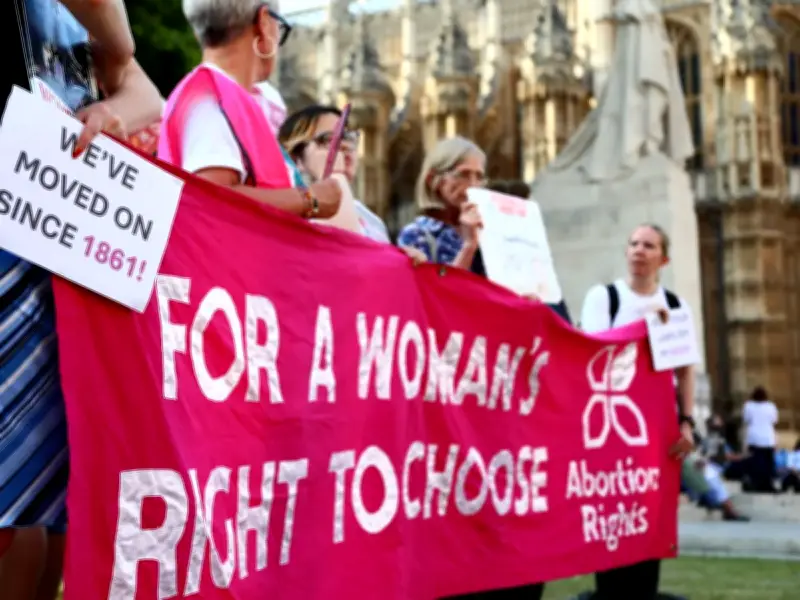
More than 100 women previously convicted or cautioned for ending their own pregnancies are to receive automatic pardons under a major change to abortion law. The measures come into force on Monday, with women who were arrested or investigated also having details removed from their criminal records.
Those affected will not need to apply or take any action, with police forces and courts expected to update their records automatically. The change follows a landmark parliamentary vote in June 2025 to decriminalise women who terminate their own pregnancies. It was introduced through the Crime and Policing Act and will also include posthumous pardons.
Pardons described as a huge relief
Labour MP Tonia Antoniazzi, who brought forward the original amendment, said the move would offer some comfort to women who had been treated unfairly under outdated legislation. Speaking to the Press Association, she said: "I am so pleased to see the Government bringing these pardons into effect. This will be a huge relief to the over 100 women who were unnecessarily harmed by outdated abortion law, often at the very worst moments of their lives.
"This trauma cannot be erased, but I hope that this offers some alleviation of the pain these women have endured, enabling them to participate fully in society again, living their lives to the full, working the jobs they’ve always wanted to."
The Ministry of Justice has not confirmed how many women will be affected, although Ms Antoniazzi believes the figure will exceed 100. She criticised the previous legislation for leaving women facing criminal investigations during already traumatic experiences, saying they had been "treated as suspects, dragged from hospital beds to police cells" and "met with interrogation and suspicion in moments of crisis where they should have been met with care, and dragged into the criminal justice system".
Impact of previous convictions
Previous arrests and cautions could also affect women's employment prospects and ability to travel, while convictions left them with permanent criminal records. Under the previous law, abortion was legal in England and Wales up to 24 weeks when carried out by an authorised provider, with limited exceptions beyond that point. Women could also take prescribed abortion medication at home before 10 weeks.
However, the Crime and Policing Act, which came into force in April, removed the criminal offence of a woman ending her own pregnancy at any stage. During parliamentary debates, Ms Antoniazzi reassured MPs that the existing 24-week limit would remain and abortions would still require approval from two doctors. She also stressed that healthcare professionals "acting outside the law and abusive partners using violence or poisoning to end a pregnancy would still be criminalised".
Campaign for reform
The campaign for reform gathered momentum following the prosecution of Nicola Packer, who was cleared by a jury last year after taking abortion medication at home during the coronavirus lockdown in 2020. She was around 26 weeks pregnant and told her trial she had not realised she was beyond the legal 10-week limit.
Following the case, her friend said she had been "persecuted" for a "tragic accident", while the Royal College of Obstetricians and Gynaecologists (RCOG) said the trial demonstrated "just how outdated and harmful" the previous law was.
Minister for victims and tackling violence against women and girls Alex Davies-Jones said introducing the pardons had been a priority. She said pardoning women for abortion offences relating to their own pregnancies "has been a priority and I’m pleased to be able to commence the change that Parliament voted for".
RCOG president Dr Alison Wright said the pardons recognised the injustice of historical convictions and would allow women to move forward without the burden of a criminal record. Dr Jonathan Lord, consultant gynaecologist and co-chair of the college's abortion taskforce, described the change as "an historic day". He added: "For the first time since the 13th century, women who have been convicted following a pregnancy loss for an alleged abortion will no longer have to carry the consequences of a criminal record."
Louise McCudden, head of external relations and advocacy at MSI Reproductive Choices UK, called the development a "landmark moment for reproductive justice". She said: "This is a vindication for the women who have been prosecuted and for everyone who fought alongside them for justice. There has been tremendous progress on abortion rights and gender equality. These reforms to our Victorian laws in England and Wales and the pardoning of women prosecuted will send a powerful message that the UK is a pro-choice country and our Parliament reflects that."
Heidi Stewart, chief executive of the British Pregnancy Advisory Service (Bpas), said: "While no pardon can undo the distress and trauma these women have experienced, this historic change in the law recognises the profound harm caused by their criminalisation and represents a meaningful step towards justice."