Nearly six years after the 2020 election, Donald Trump continues to cast doubt on the integrity of U.S. elections, with Arizona's Maricopa County once again at the center of tensions. A recent truce between Republican officials in the county has calmed a bitter power struggle, but election experts warn that denialism could bubble up again in the November midterm elections, where fiercely contested races for governor, attorney general, secretary of state, and Congress are expected.
Maricopa County's Election Feud
In 2020, Maricopa County—home to Phoenix and one of the most competitive election battlegrounds—resisted Trump's efforts to overturn Joe Biden's victory. Republican officials faced threats and harassment from the defeated president. However, unity has since fractured. In 2024, Arizona swung back to Trump, and voters elected Justin Heap, a Trump ally who campaigned on election skepticism, as county recorder. Heap now oversees voter registration and early voting, and has been labeled the “most dangerous election denier in Arizona” by the pro-voter organization All Voting Is Local.
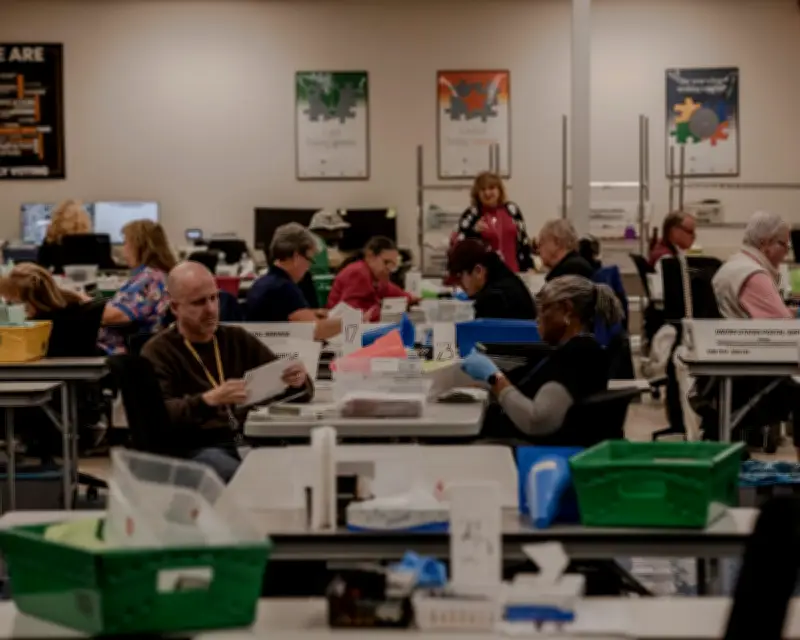
A yearlong standoff between Heap and the Republican-dominated board of supervisors erupted after a realignment of election responsibilities before Heap took office. The dispute featured the collapse of a “handshake” deal, a legal battle, and an investigation into the alleged removal of election equipment. On July 14, 2025, one week before Arizona's primary election, the warring sides reached an unexpected truce.
Concerns Over Heap's Role
Despite the truce, skeptics remain uneasy. Patti O'Neil, chair of the Maricopa County Democratic Party, said Heap “has not proven himself to be a good-faith actor.” Republican board members, however, hope the agreement will produce what chair Kate Brophy McGee calls “boring elections.”
Heap, who served in the Arizona House of Representatives before being championed by the hard-right Arizona Freedom Caucus, called the county's elections a “laughingstock” during his campaign and declined to say whether the 2020 or 2022 elections were stolen. After taking office, he clashed with the board over election duties, leading to a court battle. In April 2025, a court sided with Heap, returning duties such as placement of ballot drop boxes and oversight of early voting to him. The judge reprimanded the board for “shenanigans” and “gamesmanship.”
Trump's Lingering Influence
Trump continues to loom over Arizona's elections. In a primetime address on July 17, 2025, he claimed the election system “falls catastrophically short” of fair standards. Arizona Secretary of State Adrian Fontes called Trump the “biggest threat” to elections, stating, “The president is lying.”
Trump has appointed election skeptics to key posts, pushed voting changes, and seized voting records related to his 2020 defeat. The U.S. Department of Justice announced it would prosecute election officials who knowingly allow non-citizens to vote—a move Fontes called a “nastygram.” The DOJ also plans to send election monitors to Arizona and five other states this fall.
Looking Ahead to November
The settlement clarifies election duties in Maricopa County, which has evolved from a Republican stronghold to a swing jurisdiction since Trump lost the state by fewer than 11,000 votes in 2020. Supervisor Steve Gallardo, the board's lone Democrat, noted that Heap got everything he wanted in court and then agreed to give back some authorities in the settlement. “He owns November,” Gallardo said.
Bill Gates, a former board supervisor during the 2020 cycle, hoped the agreement would prevent a repeat of past chaos. “Hopefully, now it will be a straighter path,” he said. But Fontes warned that the president's rhetoric could be a “precursor” to federal intervention, vowing to push back.