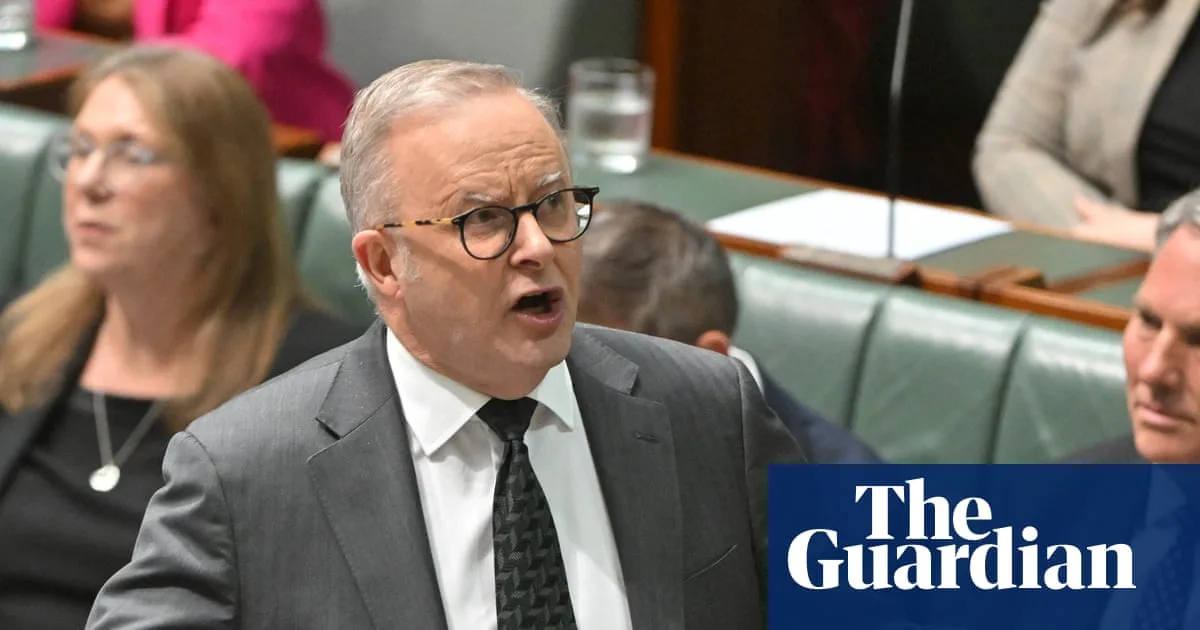
Prime Minister Anthony Albanese will introduce controversial changes to negative gearing and capital gains tax (CGT) to parliament on Thursday, seeking swift passage of the reforms while hinting at possible exemptions for businesses beyond the startup sector. The draft laws also include Labor's pre-election promise of a $1,000 standard tax deduction and a $250 'working Australians tax offset' announced in the budget.
Albanese aims to pass the 'core' elements of the plan by early July, challenging the Coalition and One Nation to vote against the tax cuts if they oppose the measures. However, Labor MPs expect heated debate in Tuesday's caucus meeting over the CGT changes, amid backlash from investors and startup founders. Some within Labor are frustrated that the budget message has strayed from intergenerational fairness in housing, and that the government has struggled to explain the benefits of replacing the 50% CGT discount with an inflation-based model.
One MP suggested that granting exemptions to some businesses, such as those in their early years, would 'take some heat off', while others warned that scare campaigns could escalate without clearer explanation from Albanese and Treasurer Jim Chalmers. Albanese confirmed that rule changes for trusts would come later in the year, and outlined ongoing consultation with the tech sector and business groups.

Albanese challenged Opposition Leader Angus Taylor to support the plan, saying, 'We will learn on Thursday whether they have learned anything from the last election.' Taylor has pledged to repeal the changes if the Coalition wins the next election. The Greens, whose votes are likely decisive, labelled the changes 'tinkering around the edges', with Leader Larissa Waters calling for low-income earners and welfare recipients to receive the $250 offset.
Housing Minister Clare O'Neil defended the budget's focus on housing, stating, 'The main issue that most Australians face is trying to realise the aspiration to own their own home.' Independent MP Allegra Spender warned against rushing legislation, citing 'very significant unintended consequences' for businesses. The Australian Chamber of Commerce and Industry chief executive Andrew McKellar said carve-outs would not suffice and called for a total overhaul, arguing that taxing investment is counterproductive to boosting productivity.