AFL's Elijah Hollands Mental Health Episode Raises Player Welfare Concerns
AFL's Elijah Hollands Mental Health Episode Raises Concerns

AFL's Elijah Hollands Mental Health Episode Raises Player Welfare Concerns

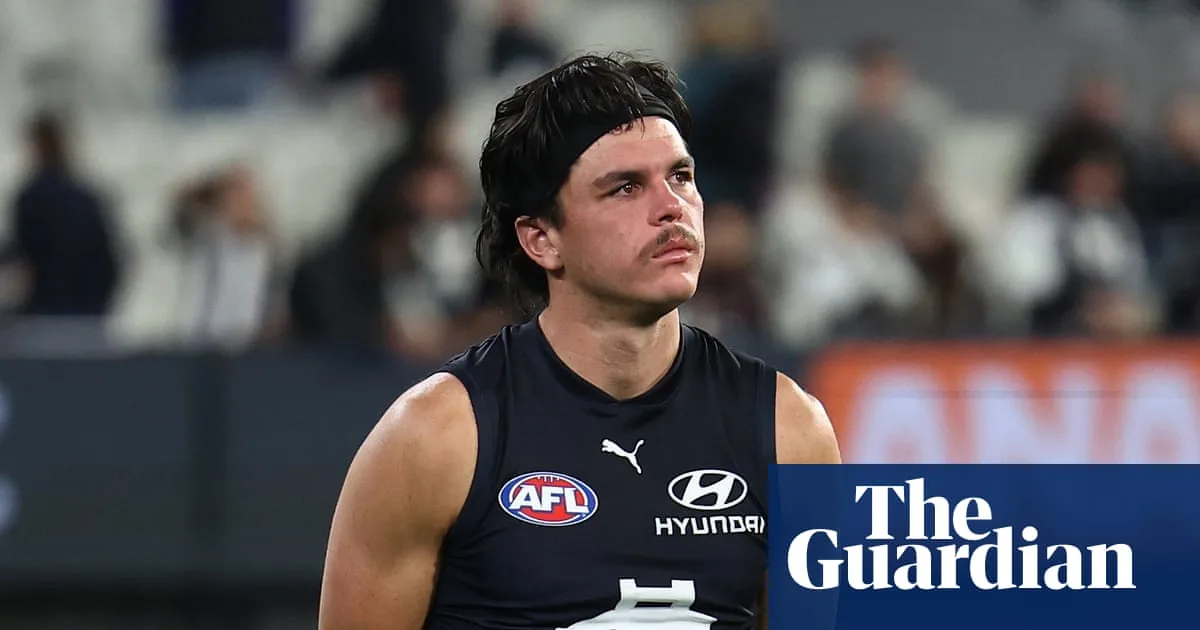
The recent mental health episode involving AFL player Elijah Hollands has ignited a significant debate within the sporting community, raising critical questions about player welfare protocols and the adequacy of support systems in professional sports. Hollands, a talented athlete, experienced a distressing episode during a match, yet was permitted to continue playing, prompting scrutiny from fans, experts, and advocacy groups alike.

Incident Details and Immediate Aftermath

During a high-stakes AFL game, Elijah Hollands exhibited visible signs of distress, including erratic behaviour and emotional turmoil, which were observed by teammates, coaches, and spectators. Despite these clear indicators, Hollands remained on the field, completing the match without immediate intervention from medical or support staff. This decision has since been criticised as a potential failure in duty of care, with many arguing that player safety should always take precedence over competitive outcomes.

In the aftermath, the AFL and Hollands' club issued statements acknowledging the incident and emphasising their commitment to mental health support. However, they have faced backlash for not implementing more robust safeguards to prevent such situations. Critics point to existing protocols that may have been overlooked or inadequately applied, suggesting a need for stricter enforcement and better training for staff.

Wide Pickt banner — collaborative shopping lists app for Telegram, phone mockup with grocery list

Broader Implications for Player Welfare

This episode highlights a broader issue in professional sports, where mental health is often stigmatised or secondary to physical performance. Experts warn that allowing players to continue in such states can exacerbate conditions, leading to long-term psychological harm. The case of Elijah Hollands serves as a stark reminder of the urgent need for comprehensive mental health frameworks that prioritise early intervention and holistic care.

Key concerns raised include:

  • The lack of clear guidelines for when a player should be removed due to mental health issues.
  • Insufficient training for coaches and medical teams to recognise and address mental distress.
  • Potential pressure from teams to keep star players on the field, compromising welfare.
  • The need for independent assessments to avoid conflicts of interest.

Responses from the AFL and Mental Health Advocates

The AFL has responded by pledging to review its current policies, with a focus on enhancing mental health support and ensuring stricter adherence to welfare standards. Mental health advocates have welcomed this move but stress that tangible changes, such as mandatory mental health checks and increased funding for support services, are essential to prevent future incidents.

Elijah Hollands himself has spoken out, sharing his experience to raise awareness and encourage open discussions about mental health in sports. His bravery in coming forward has been praised, with many hoping it will catalyse positive reforms across the AFL and other sporting leagues.

Moving Forward: Recommendations for Improvement

To address these concerns, several recommendations have been proposed:

  1. Implement mandatory mental health training for all coaching and medical staff.
  2. Establish clear, enforceable protocols for removing players exhibiting signs of distress.
  3. Increase access to confidential counselling and support services for athletes.
  4. Promote a culture of openness, reducing stigma around mental health issues.
  5. Conduct regular audits of welfare practices to ensure compliance and effectiveness.

In conclusion, the Elijah Hollands episode underscores a critical gap in player welfare within the AFL. By learning from this incident and implementing robust reforms, the sporting community can better protect athletes and foster a healthier, more supportive environment for all.

Pickt after-article banner — collaborative shopping lists app with family illustration