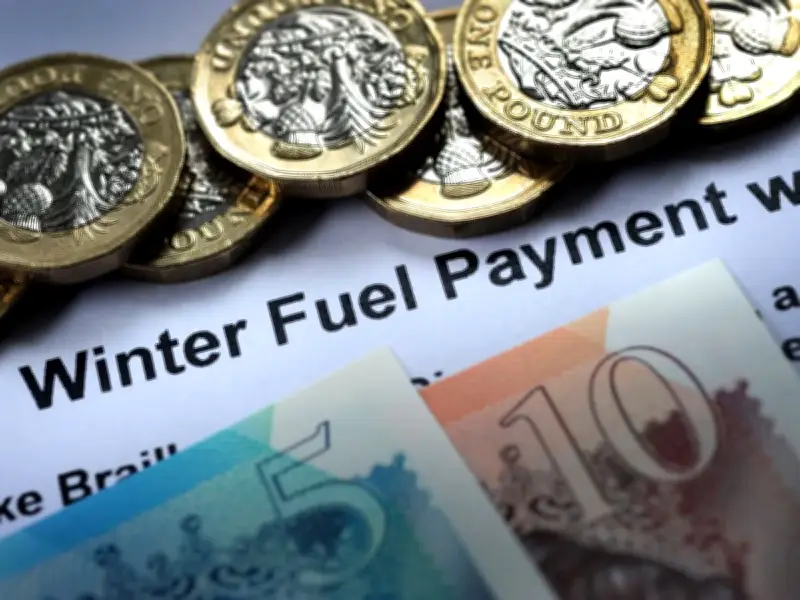
Chancellor John Healey has announced a one-off £100 payment for millions of households across the country, aimed at easing the pressure of rising energy bills this winter. The measure, revealed during his first Budget in office, will apply to 20 million households in council tax bands A to D.
Mr Healey said the measures outlined would give people "breathing space now and hope for the future." He stated: "I know rising energy bills are a real worry and people look to government to give them a bit of breathing space. So this winter for 20 million households in council tax bands A to D, I am announcing a £100 energy payment for households."
"That’s a £2.6bn scheme to take the pressure off in the coldest months and see people through to the spring," he added. The Chancellor also noted that the Scottish, Welsh and Northern Ireland governments will receive their share of the funding, but he called on them to "do the same and give people in all nations in the UK breathing space on their energy bills this winter."
How to check if you qualify
The money will be paid directly into the bank accounts of those who qualify this winter. Households can check their council tax band to determine eligibility for the £100 payment.
Council tax bands in England are still based on housing values from April 1991. This means houses valued at £40,000 or less in 1991 are still classed as Band A, while properties valued between £68,000 and £88,000 at that time are in Band D. These figures do not match current property valuations.
Additional measures in the Budget
The £100 payment was part of a package of measures announced by the Chancellor, which he hopes will help people through a difficult winter ahead. Mr Healey also confirmed that standing charges will be removed from household gas bills for tens of millions of people.
Under the current energy price cap, the gas standing charge is £108 a year on average. This is a fixed daily fee added to energy bills regardless of how much gas is actually used. To replace these charges, fixed costs will be paid on the unit rate, with the government estimating that 60% of households will save an average of £45 per year.