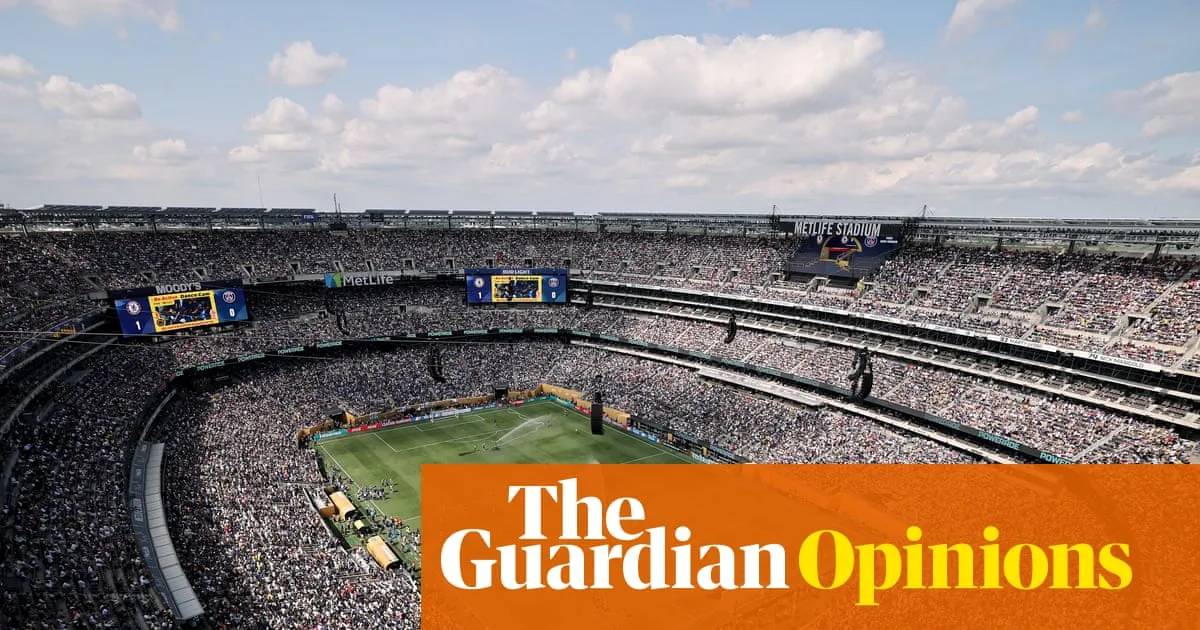
World Cup 2026: From Unity Promise to Capitalist Hellscape

The 2026 World Cup, set to be hosted across the United States, Mexico, and Canada, was originally touted as a unifying force for football. However, as the tournament approaches, the reality appears starkly different, marked by exorbitant costs, political tensions, and growing discontent among fans and local officials.

A Bid Promising Unity

Back in 2017, the "United 2026" bid presented a vision of harmony, pledging to "bring the game to all" and showcase football's power to impact the world positively. The bid emphasized shared commitment to human rights and affordable access for fans. Yet, nine years on, the landscape has shifted dramatically. US President Donald Trump has made controversial remarks about co-hosts Canada and Mexico, while FIFA's financial strategies have drawn sharp criticism.

Ticket Prices Soar

FIFA's pricing for the 2026 World Cup has sparked outrage. A single ticket for the final can cost up to $10,990, a steep increase from $1,600 in Qatar 2022. The initial bid capped the most expensive ticket at $1,550. After backlash, FIFA released a limited number of $60 tickets, representing just 1.6% of stadium capacity. Dynamic pricing, akin to surge pricing by ride-share services, ensures FIFA extracts maximum revenue from each buyer.

Wide Pickt banner — collaborative shopping lists app for Telegram, phone mockup with grocery list

The secondary resale market further exacerbates costs. While Mexico limits resale to face value, the US and Canada allow unlimited markups, with FIFA taking a 15% cut from both seller and buyer. A fan reported seeing final tickets listed for over $2 million on FIFA's resale site.

Parking and Transport Costs

Parking prices have also skyrocketed. In February, the average cost for a World Cup parking spot in US stadiums was $175; now, Los Angeles spots command $300. At MetLife Stadium in New Jersey, parking at a nearby mall costs up to $225. Security perimeters limit tailgating, dampening the festive atmosphere.

Public transport, contrary to the bid's promise of free travel, comes at a premium. NJ Transit charges $150 for a round trip from New York's Penn Station to MetLife Stadium, a journey normally costing $12.90. Similarly, the Massachusetts Bay Transportation Authority charges $80 for round trips to Gillette Stadium, versus $20 for regular NFL games. In contrast, Qatar 2022 and Russia 2018 offered free public transport with match tickets.

Data Privacy Concerns

FIFA's data collection practices have raised alarms. Workers at stadiums must provide extensive personal information, ostensibly for security, but FIFA may share this data with law enforcement, intelligence agencies, and immigration authorities. In Los Angeles, the union UNITE Here Local 11 fears data could be handed to ICE, threatening immigrant workers.

Financial Model Under Fire

Critics describe a "FIFA premium" where the governing body siphons profits while host cities bear costs. FIFA retains all revenue from tickets, broadcasting, merchandise, and parking, while hosts cover infrastructure, security, and police escorts. New Jersey Governor Mikie Sherrill criticized FIFA for providing zero funding for transportation despite earning $11 billion from the tournament. She vowed not to let commuters bear the burden.

In Los Angeles, UNITE Here Local 11 is in a contract dispute with SoFi Stadium's operator, with the possibility of a strike looming. Co-president Kurt Petersen stated, "The contract has expired, so we have the ability to do whatever we want, including striking."

Conclusion

The gap between the idealized "United 2026" bid and the exploitative reality is an affront to fans. As pushback grows from officials and unions, the fight for fairness is only beginning.

Pickt after-article banner — collaborative shopping lists app with family illustration