Sociologist Explains Why Tradwives Want to 'Make Patriarchy Great Again'
Why Tradwives Aim to 'Make Patriarchy Great Again'

A sociologist has offered a deeper analysis of the tradwife phenomenon, arguing that these influencers are not simply opting out of modern culture but are actively working to 'make patriarchy great again.'

The Tradwife Phenomenon

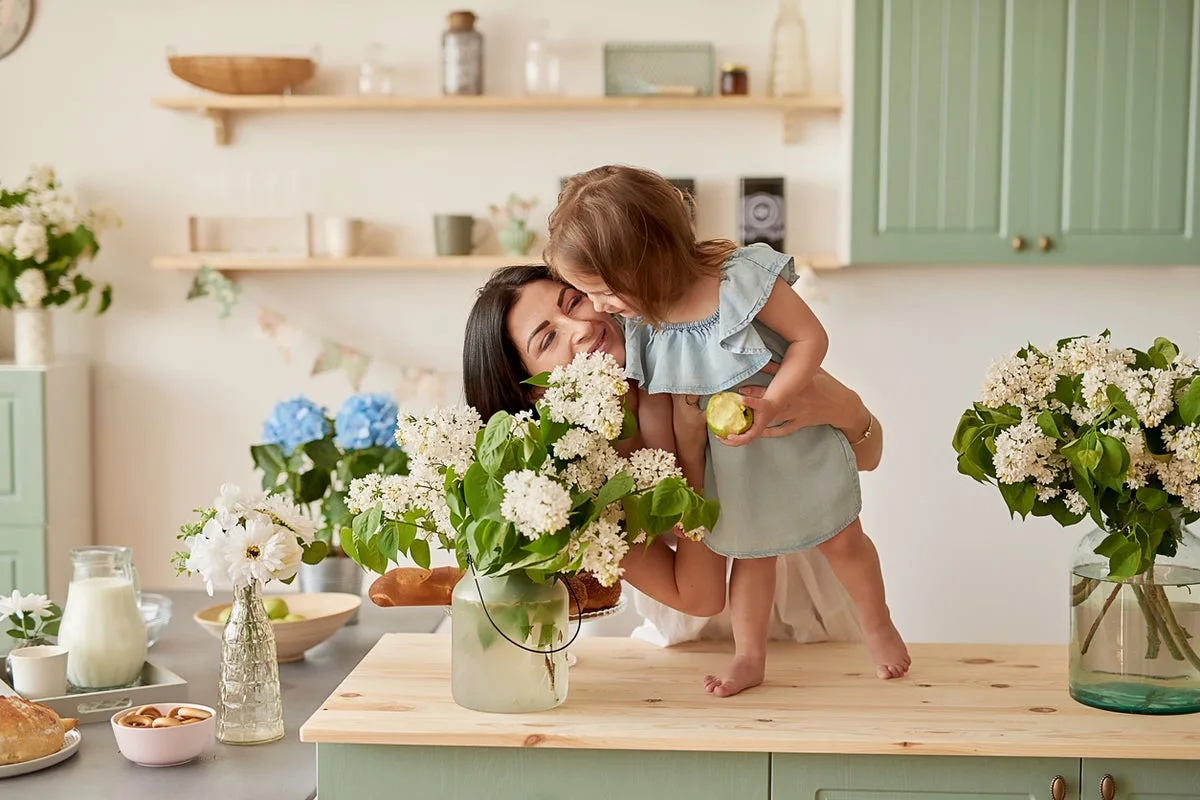
Tradwives, short for traditional wives, are popular influencers on social media platforms such as Instagram, TikTok, and YouTube. Their content is characterized by an appeal to 'nature,' a reinforcement of 'traditional' gender roles, and a heavy dose of 1950s nostalgia alongside rural, off-grid homesteading aesthetics. While they claim to be opting out of a culture that undervalues women at home, a closer examination reveals a different story: the mainstreaming of far-right politics through the language of 'traditional values' like femininity and domesticity.

Understanding the Trend Sociologically

To interpret the growing popularity of tradwives sociologically, three key steps are necessary. First, we must determine the statuses an individual holds and the roles associated with these statuses at a given time, as well as how individuals make sense of them. Second, we need to examine how an individual's statuses and roles are shaped by social institutions. Third, we must consider what function these institutions play in upholding social structures. Doing so helps us recognize that cultural trends like tradwives are not random but are products of broader socio-political currents.

Wide Pickt banner — collaborative shopping lists app for Telegram, phone mockup with grocery list

Variations Among Tradwives

Research has found that while tradwives tend to be politically right-wing, important variations exist. Conservative tradwives, who discuss 'femininity' and 'traditional' gender roles, are closest to the political centre. Others, including alt-lite and alt-right tradwives, are more ideologically extreme, mobilizing anti-feminist, anti-immigrant, and white supremacist rhetoric. At times, they have clear ties to far-right political organizations.

The Roles of Tradwives

Emerging research indicates that tradwives define themselves as wives and mothers. Their roles include homemaker, defender of 'traditional' values, and, at times, bearer of the 'white race.' Tradwives depict their countries as being under siege by cultural pollution, miscegenation, and non-white migration, framing themselves as moral entities 'restoring' the West.

Other researchers, such as Eviane Leidig, a researcher in online extremism and radicalization, have explored the role of women in far-right politics. These analyses suggest that women play a key role in normalizing and mainstreaming hateful ideologies by drawing on influencer culture. They take you into their homes, show you their children, and talk to you about their everyday lives. Yet, slipped into videos of tradwives baking sourdough bread are comments about 'our migration problem' and how they felt compelled to home-school their children because of the 'woke ideology' running amok in public schools. Once your interest is piqued, you are directed to less regulated platforms that traffic in more overt hate.

Institutional Influences

Research demonstrates that women face greater cultural expectations to undertake housework and relationship labour than men. Men are more likely than women to report that society values the contributions of their paid work more than it does their household labour, while women tend to report the opposite. Sociologists have explained how the institution of work was designed around the male-breadwinner and female-homemaker model. Men were paid a wage that could provide for their family, while women performed unwaged labour in the home.

Pickt after-article banner — collaborative shopping lists app with family illustration

However, families have changed. Dual-earner families are on the rise because women have been forced by economic necessity into joining the paid workforce, not simply because of feminism, as tradwives argue. Despite these changes, the institution of work has remained resistant to accommodating women. Tradwives frame their lifestyles as countercultural, claiming only professional, working women are valued culturally and that institutions have abandoned them as traditional women. But the construction of femininity they promote—one bound in 'traditional' ideas about labour—remains institutionally salient. While it may have been critiqued in the 2010s 'popular feminist' climate, no large or enduring structural shifts followed. The gender wage gap in Canada remains sizable, especially when factors such as race and immigrant status are taken into account.

Reproducing Inequalities

Tradwives frame a highly specific form of femininity—domestic, heterosexual, submissive, and often implicitly white—as natural, desirable, and morally superior. By presenting it as 'natural' rather than socially constructed and affirmed by social institutions, tradwives obscure the structural foundations of 'traditional' femininity and help make existing inequalities seem inevitable, even healthy.

The forces that made this possible are not a mystery: institutions that were never fully reformed, gender norms that were critiqued but never dismantled, and a political moment that has made the far right newly palatable. Tradwives did not create these conditions, but they are also not just a niche internet aesthetic. They are right-wing women actively trying to preserve those structural inequalities and 'Make Patriarchy Great Again.'