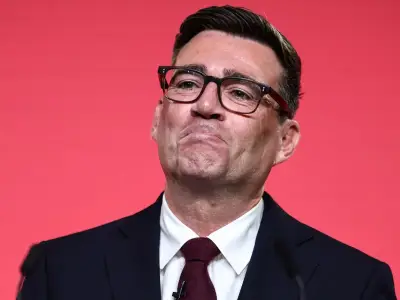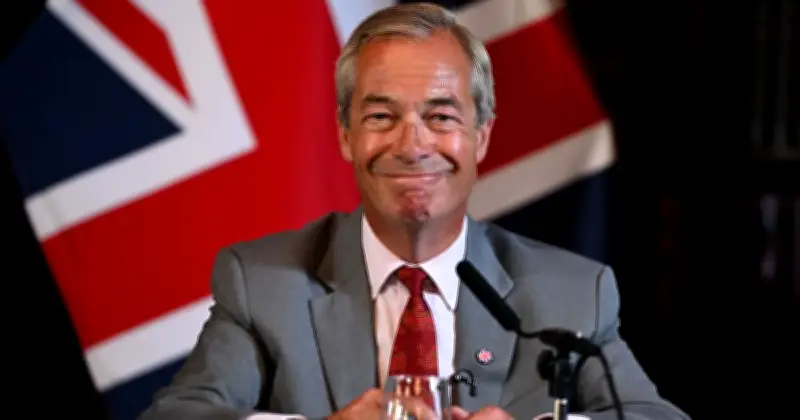
New polling indicates that most Conservative and Reform UK voters would prefer their parties to govern together rather than see a Labour-Liberal Democrat-Green coalition take power. The survey by Lord Ashcroft found that three out of four Reform voters and two out of three Conservative supporters would back such an arrangement.
Voter Sentiment Contradicts Leadership Stance
Conservative leader Kemi Badenoch has ruled out any deal with Reform UK, stating "no deal before an election, no deal during an election, no deal after an election." She has also described cooperation as a "non-starter" due to the presence of former senior Tories Robert Jenrick and Suella Braverman in Reform's leadership team, and has said "even deals post-elections are stitch-ups."
Despite this, the polling suggests voters are more open to the two parties working together. A potential left-wing coalition involving Andy Burnham, Sir Ed Davey, and Zack Polanski would likely pursue aggressive net zero policies, potentially reverse Brexit, intensify culture war issues, and increase taxation on entrepreneurs, according to the analysis.
Potential Policy Common Ground
The Conservatives and Reform could find common ground on policies such as withdrawing from the European Convention on Human Rights, strengthening armed forces, encouraging North Sea oil and gas extraction, cutting the benefits bill, reducing debt, and deterring small boat crossings.
The Ashcroft polling also shows that 73% of Labour voters would prefer a Labour-Lib Dem-Green coalition over a Conservative-Reform government.
Coalition Prospects and Historical Precedents
If Reform became the largest party without a majority, Nigel Farage could lead a minority government with Conservative support on a case-by-case basis, or vice versa. However, memories of the post-2017 Brexit wars, which brought chaos and paralysis after Theresa May lost her majority, serve as a cautionary tale.
The example of the 2010 coalition between David Cameron and Nick Clegg, which provided stability after the financial crisis, could be cited by advocates of a Tory-Reform deal. Yet the fate of the Lib Dems, who were crushed at the polls after coalition, is a warning for any junior partner. Mrs Badenoch is unlikely to want to be remembered as the Conservative version of Mr Clegg.