Trump's Media Contempt Aids Tech Giants in Killing Australia's News Tax
Trump's Media Contempt Aids Tech in Killing Australia News Tax

Big tech wants to punish Australia over Albanese's media bargaining code, and Donald Trump might be inclined to listen, writes Bruce Wolpe. The president's contempt for the media is explosive, and his 'disappointment' with Australia is apparent. For Meta, Google, and Oracle, this is a powerful combination.

The Fallout of the News Bargaining Incentive

The fallout of the Albanese government's proposed News Bargaining Incentive feels predictable. The tech oligarchs will likely urge Donald Trump to punish Australia for the government's efforts to protect publishers from the financial harm caused by big tech platforms' use of news content from established media companies. This is the same playbook used by large US pharmaceutical companies to fight back against Australia's Pharmaceutical Benefits Scheme and similar programs in other countries. Australia has so far dodged much of Trump's tariffs on medicines, but Trump's desire to punish US trade partners is unwavering.

Trump's Contempt for Media

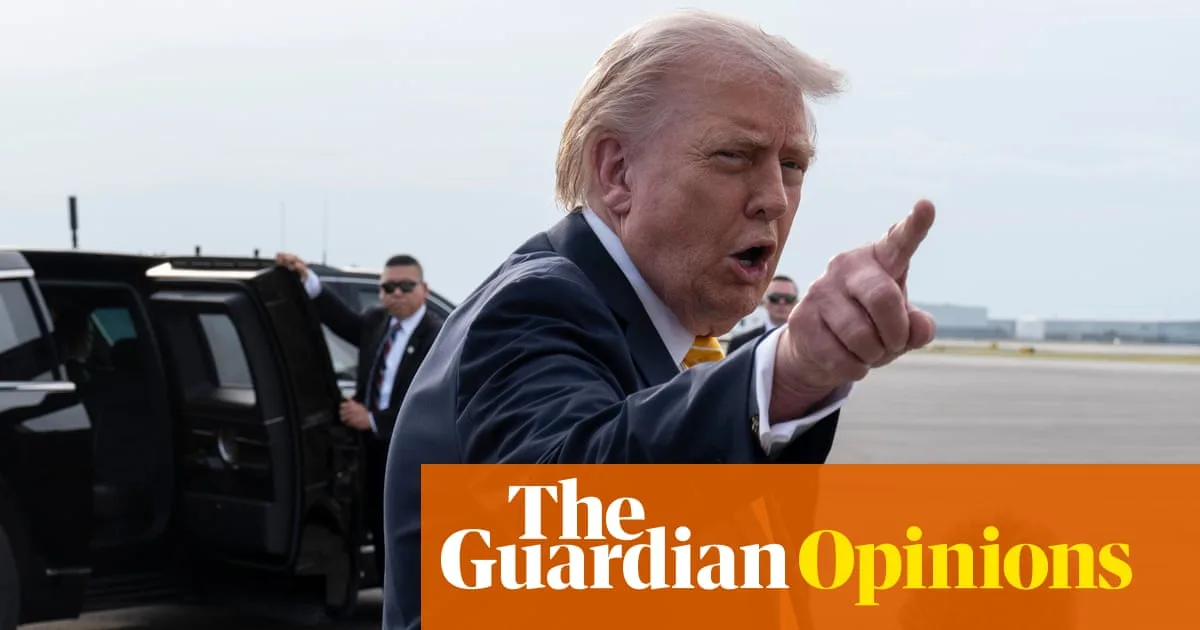
Trump's contempt for mainstream media companies in the United States is explosive. In his 2016 presidential campaign, he labelled major media companies 'the enemy of the people'—a line reminiscent of Soviet dictator Joseph Stalin. Trump has called any reporting that deviates from his administration's narrative 'fake news,' a term now used worldwide by some politicians to deny authoritative media reporting.

Wide Pickt banner — collaborative shopping lists app for Telegram, phone mockup with grocery list

We saw Trump's anger at the media even after the attempt on his life in his extraordinary interview with CBS's 60 Minutes the day after the White House Correspondents' dinner. After discussing what Trump saw and felt, Norah O'Donnell of CBS quoted from the alleged shooter's manifesto on why he hated officials allegedly involved with Jeffrey Epstein. Trump erupted at O'Donnell: 'I was waiting for you to read that, because I knew you would, because you're horrible people. Yeah, he did write that; I'm not a rapist. I read the manifesto. You know, he's a sick person. You shouldn't be reading that on 60 Minutes; you're a disgrace, but go ahead, let's finish the interview.'

Trump's anger at mainstream media is palpable. He does not hesitate to attack and intimidate overseas media. Trump has sued the BBC for defamation, seeking $10 billion in damages for its documentary on the January 6 insurrection at the Capitol.

Earlier this year, the ABC's John Lyons asked Trump in a media scrum on the South Lawn of the White House about Trump family business deals and finances. 'Where are you from?' Trump asked. Lyons replied, 'The ABC.' Trump said, 'Oh, the Australian—you're hurting Australia. In my opinion, you are hurting Australia very much right now, and they want to get along with me.'

Implications for Australia's Media Tax

Trump's disdain for media is good news for the tech bros as they prepare to kill off the media tax proposals and the payments that are to be made to mainstream Australian media companies. In discussing why this initiative is so important, Albanese said, 'Journalists are the lifeblood of Australia's media sector, playing a vital role in keeping communities informed about the news that matters to them. Local news matters to local communities, and these stories can't be told without Australian journalists. My government will always back Australian journalists and Australian news.' This is exactly what Trump does not do with US media companies.

In the course of the Iran conflict, Trump has spoken out at least twice about his 'disappointment' that Australia has not supported the US embargo on Iran in the Persian Gulf. At a cabinet meeting in March, Trump said with respect to the closure of the Strait of Hormuz, 'Australia was not great. I was a little surprised by Australia.' Trump doubled down in April: 'I'm not happy with Australia because they were not there when we asked them to be there. They were not there, having to do with Hormuz, the Hormuz Strait.'

This means the door to the Oval Office is wide open for the tech oligarchs to lobby the president on this issue. It will not be a heavy lift.

Pickt after-article banner — collaborative shopping lists app with family illustration

The Tech Companies Involved

The three companies most directly affected by the proposed new media tax are Meta, Google, and TikTok. They are deeply invested in the Trump presidency. Meta has committed to invest $600 billion in the US in technology and AI for overall infrastructure and workforce expansion. Google has committed $68 billion to data centres and AI infrastructure. In the United States, TikTok was restructured, and its algorithm is controlled by Oracle, headed by Larry Ellison, who together with his son has acquired Paramount and CBS; TikTok's CEO met with Trump as the deal for its future was finalised.

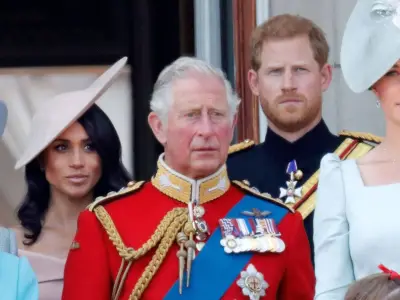
At the White House dinner for the state visit of King Charles, guests included Ruth Porat of Alphabet and Google, Dina Powell McCormick (president and vice chair of Meta), and David Ellison (heir to the Oracle fortune). The tech companies' lobbying in Washington is exceptionally effective. They will be all over the Senate Committee on Foreign Relations when it holds hearings to confirm David Bart as the new US ambassador to Australia. We can almost hear it now: 'Mr. Bart, where do you stand on the new media tax proposed by the Australian government?'

Bruce Wolpe is a non-resident senior fellow at the United States Studies Centre. He is author of two books on Trump and Australia.