

President Donald Trump's call to suspend the federal gas tax has encountered resistance on Capitol Hill, as lawmakers question the feasibility and consequences of such a move. With gas prices soaring amid the ongoing conflict with Iran, Trump suggested a temporary halt to the 18.4-cent-per-gallon tax, but both Republicans and Democrats are divided on the issue.
Republican Divisions
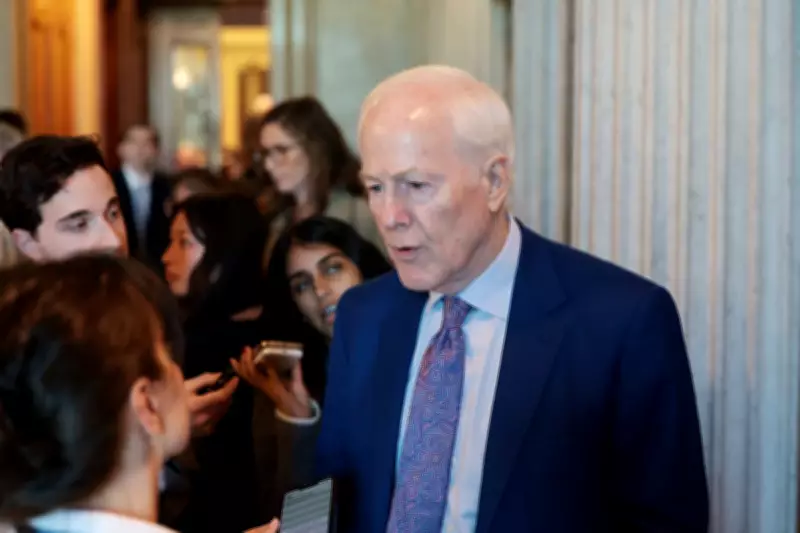
Senator Josh Hawley of Missouri introduced legislation to suspend the gas tax, arguing that Republicans should support tax cuts. 'I just don't know why Republicans are suddenly for higher taxes,' Hawley told The Independent. However, some GOP members worry about the impact on infrastructure funding. Senator John Cornyn of Texas emphasized the need to understand the proposal's scope, noting that the gas tax funds the Highway Trust Fund. 'It may make sense temporarily, but we're going to have to pay for the roads and highways,' Cornyn said.
Democratic Support and War Critique
Democratic candidates, including Texas nominee James Talarico and Maine's Graham Platner, have expressed support for a gas tax holiday. Talarico praised Trump's stance, urging bipartisan relief for drivers. Platner proposed eliminating the gas and diesel tax altogether, arguing that relying on fossil fuels for infrastructure is counterproductive.

However, many Senate Democrats argue that ending the war in Iran would be the most effective way to lower prices. Senator Tammy Baldwin of Wisconsin stated, 'The easiest way to lower gas prices is to end the war in Iran.' Senator Ron Wyden echoed this sentiment, saying, 'The best way to lower gas prices is end this damn war.' Despite these calls, Congress has been unable to rein in the president's military actions, with repeated War Powers Act resolutions failing to gain traction.
Economic Context
The Bureau of Labor Statistics reported a 5.4% increase in gasoline prices in April and a 28.4% rise over the past year. According to AAA, the average gallon of gas now costs $4.50, up from $2.89 before the conflict with Iran began. As the 2026 midterm elections approach, Democrats hope to leverage high gas prices to flip Senate seats in key states.






