Scottish Labour leadership hopeful Michael Marra has admitted that female allies were unhappy with his decision to skip the vote on the SNP's gender recognition Bill in 2022.
Marra, who is running against fellow MSP Joe Fagan to succeed Anas Sarwar, said women "very close" to him did not agree with his choice to avoid the vote, despite his fierce criticism of the legislation.
Decision to abstain
In an interview with the Planet Holyrood podcast, the North East MSP said he was "clear with the leader and his team that I would not vote for it" and was "prepared to quit". He added: "We came to a decision that I would stay in my role, but I wouldn't vote and that I would continue to make the argument for a change in policy."

When asked why he did not vote against the Bill like rebels Carol Mochan and Claire Baker, who resigned from their positions, Marra said he knew the legislation would pass and that his focus was on winning the argument within his own party over time.
He said: "I know though that there are women, women very close to me, who don't necessarily agree with that position and wanted me to vote against it. That is clear."
Response to criticism
Asked if he chose his shadow cabinet position over doing what was right for women, Marra replied: "I don't agree with that." He said he was "outside" the Parliament during the vote, which took place three days before Christmas 2022 in the middle of the afternoon, and denied he was Christmas shopping.
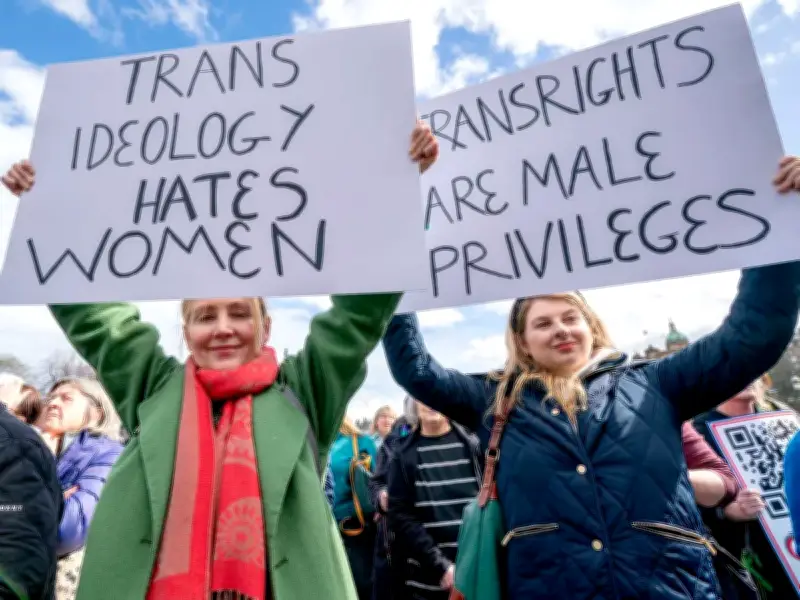
Marra's sister Jenny, a former MSP, was a critic of the gender recognition Bill. The legislation was later blocked in the courts, with separate judgements asserting the primacy of biological sex.
Marra said: "I am comfortable with the decision that I made because the decision I made was to fight for a better position in the Labour party and I think that's what I helped to deliver."
Fagan's stance
Fagan has said he would have abstained in the vote on the Bill, arguing that the Scottish Parliament "didn't do its job well enough" when amendments from Labour group members were not supported. He stressed the need for "compassion and understanding" in the debate, saying it is fundamental to the essence of who people are for those who are marginalised or have experienced trauma.