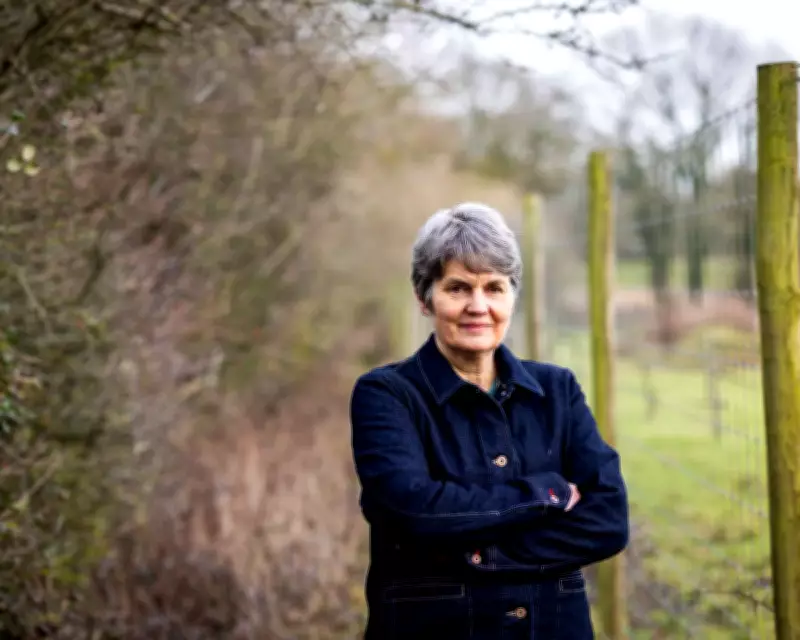
From Surrey Oil Well to Supreme Court: An Activist's Journey to Rewrite UK Climate Law
Sarah Finch's remarkable journey began with a simple notice in a local newspaper and culminated in winning one of the world's most prestigious environmental awards. In 2010, while browsing planning notices, Finch discovered a proposal to drill for oil at Horse Hill in Surrey, just outside Crawley and near her home. This discovery sparked a legal battle that would reshape UK environmental policy.
The Shocking Discovery in Surrey's Countryside
Surrey, known for its picturesque villages, farms, and commuter towns, seemed an unlikely setting for oil exploration. The county's semi-rural landscape, with its classic English green patchwork, stood in stark contrast to the industrial imagery of pumpjacks and gas flares. Finch, a seasoned environmentalist with experience at Greenpeace, was taken aback. "This is local," she recalled thinking. "I'd better get involved."
The Horse Hill site was part of a broader initiative to tap the Weald basin, a shale formation beneath southern England. Prospectors envisioned using fracking techniques to extract up to 100 billion barrels of oil, potentially transforming Surrey into a major oil-producing region. Finch quickly joined campaigns against similar projects, including protests in Balcombe that drew thousands. She helped organize local groups, successfully opposing several drilling applications, but not all.

The Legal Battle Intensifies
In 2014, exploratory drilling began at Horse Hill, followed by further operations in 2017. By 2018, Horse Hill Developments Ltd sought permission from Surrey council to drill four additional wells for commercial production, aiming to extract over 24 million barrels of oil over 25 years. Despite community opposition led by Finch and the Weald Action Group, Surrey approved the plan, even after declaring a climate emergency.
The campaigners did not relent. They identified a critical oversight: scope 3 emissions, which are the emissions from burning the oil itself, were excluded from the environmental impact statement. While Surrey initially insisted on their inclusion, the council conceded to the developers, omitting 10.6 million tonnes of CO2 from consideration. Finch, as lead claimant, pursued a judicial review, arguing the decision was flawed due to this omission. Initial rulings in the high court and appeals court were unfavorable, but the case had unintended consequences.
Unexpected Ripple Effects and a Supreme Court Appeal
The loss in court had serious implications. Michael Gove, then communities secretary, cited Finch's case when approving the Whitehaven colliery in Cumbria, the UK's first new deep coalmine in 30 years. He argued that emissions from the coal were irrelevant to planning, referencing Finch's name 85 times in the decision document. This setback highlighted how her efforts could inadvertently relax fossil fuel regulations.
With one last hope, Finch appealed to the Supreme Court, which accepted the case—the first climate-related matter it had ever heard. The stakes were high, as legal challenges to other projects, including the Cumbria mine and North Sea oil fields like Rosebank and Jackdaw, were paused pending the outcome. In June 2024, after nearly five years, the Supreme Court delivered a landmark ruling: the climate impact of burning fossil fuels must be accounted for in planning decisions, regardless of where the burning occurs.
A Landmark Ruling and Ongoing Challenges
This interpretation of the Town and Country Planning Act had immediate effects. The Cumbria coalmine permission was quashed, and the government revised offshore oil and gas guidance, withdrawing support from Jackdaw and Rosebank. However, the ruling faces threats, as the government considers overhauling the environmental impact assessment regime, which could undermine it. With fuel shortages from Middle East conflicts fueling calls for more drilling, projects like Rosebank and Jackdaw might be revived.

In recognition of her efforts, Finch was awarded the Goldman Environmental Prize, joining six other women honored for grassroots activism. Despite the victory, she remains vigilant. "It's a kind of war of attrition with the fossil fuel industry," she says, expressing optimism for renewable energy's future but concern over its slow adoption. "In every way, I think clean energy is preferable and that's our future. But it's just not happening fast enough."