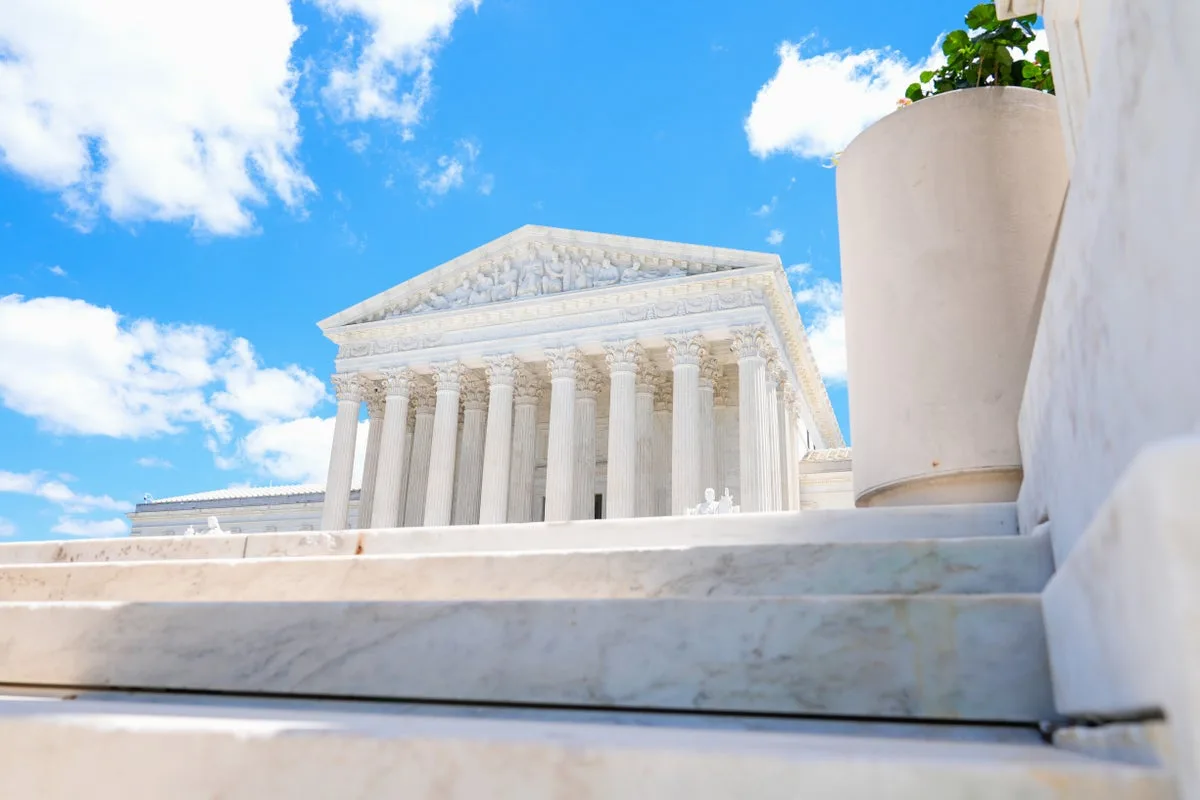
The Supreme Court has sided with the Trump administration in a dispute over restrictions on public speeches by immigration judges. The ruling, issued on Tuesday, reverses a lower court decision that had allowed the case to proceed.
The justices determined that the judges must take their complaint through the federal employee appeals system overseen by the Merit Systems Protection Board, rather than pursuing a lawsuit in federal court. Immigration judges, who are federal employees, had challenged a policy restricting their public remarks that began during Mr Trump's first term and continued under President Joe Biden.
The court's decision was procedural, but two justices, Clarence Thomas and Amy Coney Barrett, issued a separate opinion rebuking the 4th U.S. Circuit Court of Appeals for responding to 'political controversies of the day.'
The case comes as the Supreme Court weighs a separate lawsuit concerning Mr Trump's power to fire heads of independent agencies. The outcome of that case is also expected to affect firing powers over Merit Systems Protection Board members.
The National Association of Immigration Judges expressed disappointment, saying the matter was 'far from over.' Acting Attorney General Todd Blanche applauded the ruling, stating that lower courts must accept that 'the law is the law, no matter the political controversies of the day.'