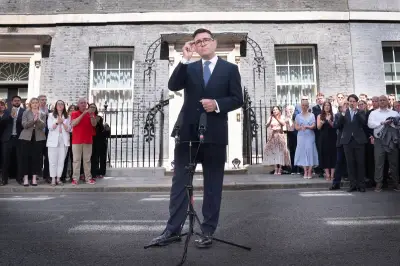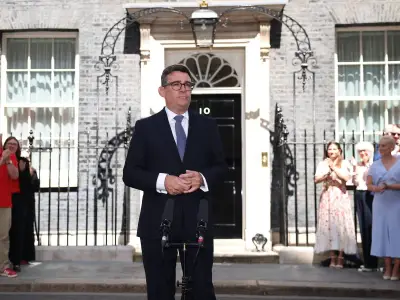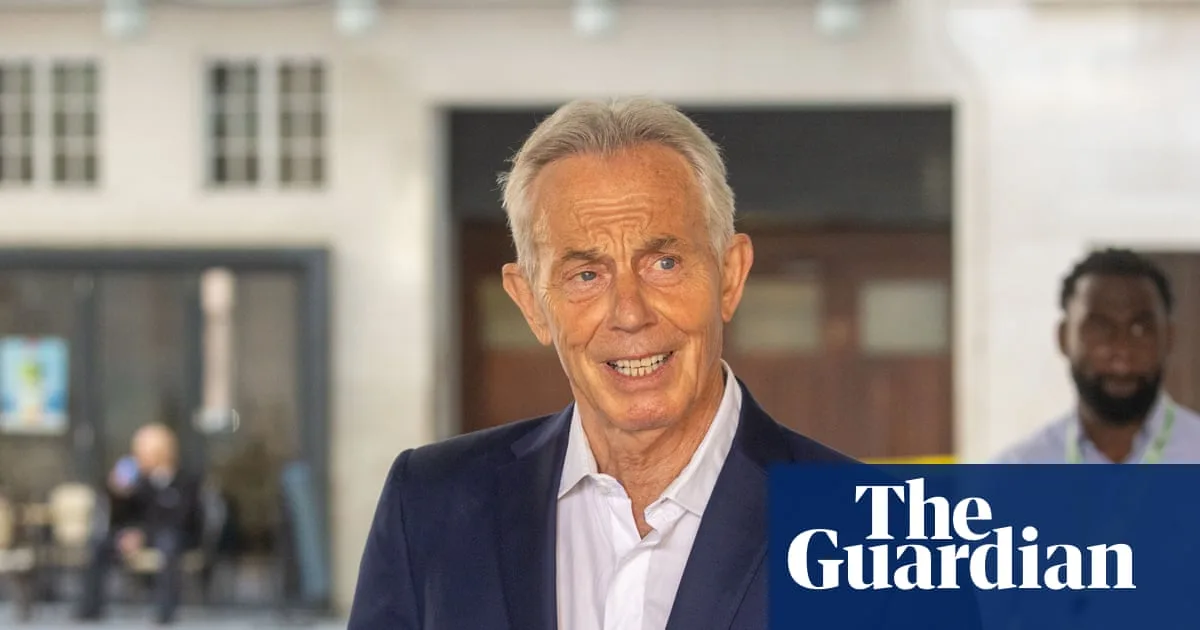
Wes Streeting and Andy Burnham have criticised Tony Blair’s “striking weakness” in failing to engage with inequality, as senior Labour figures hit back at the former prime minister’s critique of the party under Keir Starmer. In a lengthy essay, Blair argued for welfare cuts, lifting restrictions on oil and gas, and smoothing relations with Donald Trump, while also criticising policy proposals from Streeting and Burnham.
In an article for the Guardian, Streeting said Blair’s essay barely confronted “the defining issue of our age” – inequality – treating it as “peripheral rather than fundamental”. He argued that inequality, not incidental to crises reshaping Western democracies, is their cause, fuelling the growth of populist parties. “When people believe the rules no longer reward effort fairly, resentment grows,” Streeting wrote.
Burnham, the mayor of Greater Manchester, echoed the criticism, noting Blair “doesn’t mention inequality once”. He said he would set out a “considered response” on Thursday. Starmer was also considering making his own formal argument in response to the essay, the Guardian understands.

Streeting also hit back at Blair’s critique that Labour had hamstrung businesses, saying it was not Labour’s only job to speak the language of markets. “It is to ensure markets serve society rather than dominate it,” he said. He defended his proposed wealth tax and ambition for the UK to rejoin the EU, arguing it was vital to “tip the balance of taxation away from work towards wealth”.
In response to Blair’s suggestion that the government should accommodate the US president, Streeting criticised Blair’s war in Iraq. “Atlanticism cannot mean automatic subservience,” he said, adding: “We learned at terrible cost in Iraq what happens when loyalty replaces judgment.”
Torsten Bell, a Department for Work and Pensions minister, said Blair’s essay made a compelling political argument but did not engage in serious policy. “There is no understanding here of why taxes have risen over the past decade,” Bell said, linking it to higher debt interest costs and austerity for public services. He dismissed Blair’s assessment that high welfare spending was entirely to blame as “a long way from the truth”.