

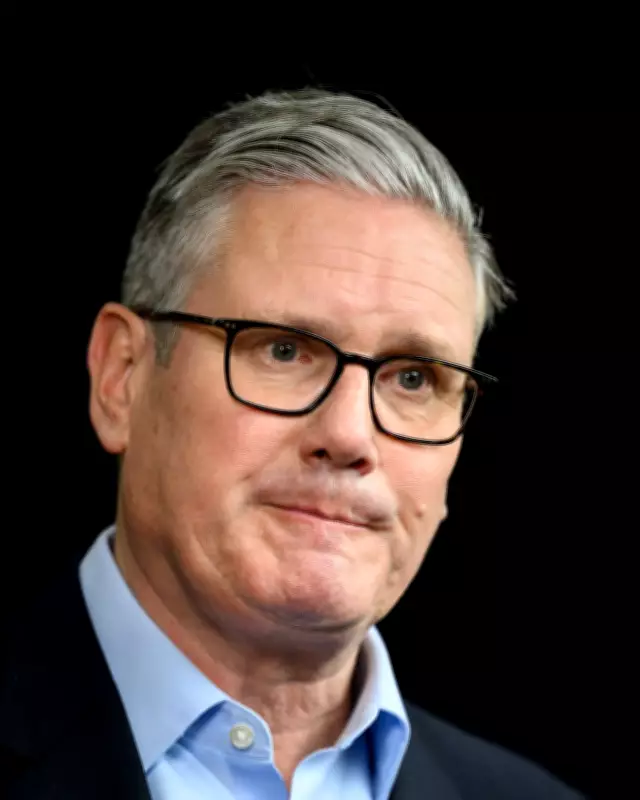
The momentum for a decisive challenge to Keir Starmer failed to materialise on Friday afternoon, as Labour's worst local election results in decades left the prime minister wounded but still standing. With Reform UK making sweeping gains across pro-Brexit heartlands in the Midlands and north, including historically deep red Sunderland and Hartlepool, Labour lost over 1,000 councillors and control of the Welsh parliament. However, the anticipated cabinet resignations and open rebellion did not occur, leaving Starmer's future uncertain but not immediately threatened.
Labour's Devastating Losses
The numbers from England's crucial local elections were undeniably bad for Labour. Reform UK capitalised on disenchanted voters, securing victories in areas that had been Labour strongholds for decades. The party may have suffered its worst losses in 50 years, with more than 1,000 councillors gone and control of the Welsh Senedd lost to Plaid Cymru. Similar disappointment is expected in Scotland, where Labour failed to beat the Scottish National Party in the Holyrood parliamentary election.
However, the scale of the defeat was somewhat mitigated by revised predictions from polling experts John Curtice and Michael Thrasher, who early on Friday adjusted their forecasts from 1,800-2,000 councillor losses to around 1,200. By late afternoon, Labour had lost control of at least 15 councils but managed to hold a few, seeing off a Liberal Democrat challenge in the London borough of Merton and clinging on in Lincoln, Plymouth, and Reading.

Leadership Challenge Fails to Ignite
Despite the disastrous results, a direct challenge to Starmer did not materialise. Lou Haigh, a former cabinet minister from the social democratic wing of the party, was the most prominent voice suggesting Starmer should set out a timetable to leave office. Several more MPs broke cover later on Friday to call for Starmer's departure, and the Mainstream group, which supports the biggest challenger, Andy Burnham, urged an “orderly transition” of leadership before the next election.
However, the most telling development was the absence of an outright challenge. Burnham, the mayor of Greater Manchester and not a sitting MP, maintained his silence. Health Secretary Wes Streeting and former deputy prime minister Angela Rayner, both seen as likely candidates in a leadership race, were expected to make interventions, but their allies said neither wanted to make the first move against the prime minister. Senior Labour figures including Pat McFadden, Lisa Nandy, and Jonathan Reynolds kept their counsel, despite Reform making headway in their seats.
Behind the Scenes: Anger and Uncertainty
Behind the scenes, Labour MPs are fuming and miserable. They know there is no obvious mechanism for removing Starmer, and the results are not quite cataclysmic enough for him to fall on his own sword without a fight. Many are limiting themselves to calling for “our best players on the pitch” – code for allowing Burnham to return to parliament after a protracted controversy over his attempts to find a seat – and a change in direction to be more true to Labour values.
Starmer has been preparing for this moment for months. He was out early for a visit where he made clear he was going nowhere and was not prepared to set out a timetable for his departure. Special advisers have been called back to Downing Street to shore up his support, a move also intended to stop them plotting with cabinet ministers in favour of a replacement. The prime minister’s aides have briefed that he is planning a speech next week, which will inevitably be seen as another reset.
The Potential Challengers: Waiting in the Wings
The main potential leadership candidates spent Friday with their teams figuring out their next moves, calculating whether there was a path to nudging Starmer out of the door or if he had bought himself some more time. Burnham, who was blocked by Starmer allies from returning to parliament, declined requests to appear on media and pulled out of giving remarks about a report on children on Friday morning so as not to derail the event with questions about his potential to challenge the prime minister.

Streeting and Rayner, who have significant support among MPs and would be likely to enter any leadership contest, are both reluctant to be the first mover against Starmer – in keeping with the old political adage that the person who wields the knife does not get to wear the crown. Both will also be looking nervously at results in their own patches that show support draining away from Labour. In Rayner’s Greater Manchester seat, Labour was defending 17 seats and lost 16 of them to Reform, handing over control of Tameside council. Redbridge is yet to declare, but independent candidates are likely to make gains on Streeting’s home turf.
What Next for Starmer?
With Starmer down but not yet out, and his rivals wavering, it looks as though a continuing stalemate over his future is the most likely scenario. The prime minister answered an unconvincing “yes” when asked on Friday morning whether he would lead the party into the next election, saying he wanted to see out his term. Very few of his MPs agree that this will be allowed to happen, but the route to his exit is not yet clear.
A challenge could still emerge, either intentionally or almost by accident if anger within the party bubbles over and a candidate with little intention of winning – known as a stalking horse – throws their hat into the ring in an effort to trigger a contest, smoking out the real contenders. There will also be growing pressure to let Burnham back into the House of Commons.
For now, Starmer remains in place, but the clock is ticking. The coming days and weeks will determine whether he can weather the storm or whether the knives will finally come out.





