A bowler in Seattle is spearheading a proposed class-action lawsuit against Lucky Strike Entertainment, the company formerly known as Bowlero, alleging that it has engaged in anti-competitive practices by buying up bowling alleys and stifling competition from smaller, independent establishments.
Benjamin Doehr, along with ten other plaintiffs from various states, claims in their complaint that Lucky Strike Entertainment's actions have harmed consumers. The lawsuit contends that the company intentionally consolidates bowling alleys in local markets to subsequently raise prices, thereby diminishing the quality of the bowling experience. This was reported by King 5 Seattle.
According to the legal filing, Bowlero operated only six centers in the United States in 2012. However, through aggressive acquisitions of independent operators and bowling chains, it now manages nearly 350 bowling alleys across North America. Doehr, an avid bowler in Seattle, asserts that he has observed a decline in the quality of lanes owned by Lucky Strike Entertainment, despite the higher fees charged.

The lawsuit alleges that the company's strategy is to “squeeze as much money as possible out of hard-working families once they are in the door,” as cited by the New York Post. The plaintiffs point to increases in league registration fees, food prices, and lane rental costs under Lucky Strike's ownership. Doehr also claims that the company has cancelled league events at his local alley to accommodate corporate bookings.
In response, a Lucky Strike Entertainment spokesperson told the Post: “This lawsuit is a meritless attempt by a startup plaintiffs’ firm to generate headlines at the expense of a company that has spent more than three decades expanding opportunities for the sport of bowling and the communities we serve.”
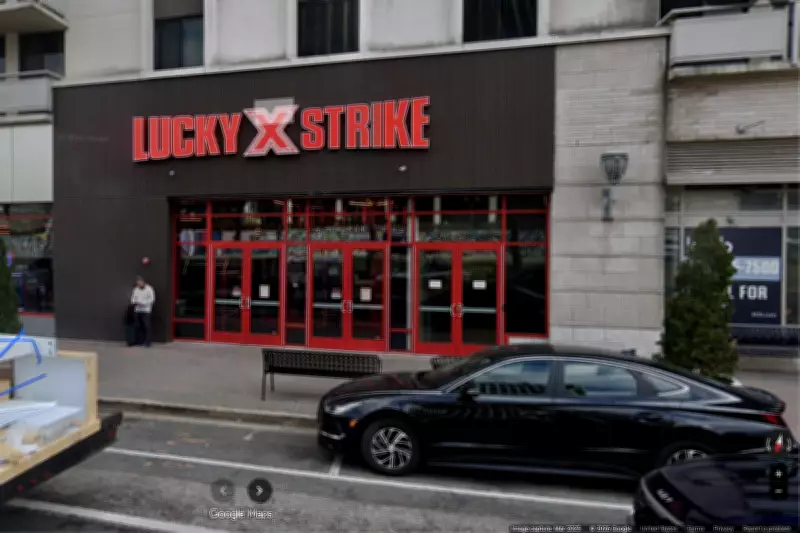
The complaint highlights specific pricing: at Lucky Strike's Times Square location, renting a lane for four bowlers for two hours costs $156.47 before 4 pm, jumping to $270.66 after 4 pm, excluding food and drinks. Additionally, the lawsuit accuses the company of failing to properly oil its lanes and replacing traditional pins with “string” pins—pins attached to nylon cords—which degrades the bowling experience.
The plaintiffs also take aim at Lucky Strike's business practices, alleging that it leverages its size to negotiate better terms from suppliers, thereby gaining an unfair advantage over independent operators. They argue that Lucky Strike's price increases have prompted other local bowling alleys to raise their rates as well.
The lawsuit demands a jury trial and seeks damages, restitution, and injunctive relief. Specifically, the plaintiffs want the court to reverse Lucky Strike's acquisitions of bowling centers, block future acquisitions, and prevent the company from using supplier agreements that harm independent operators. The lawsuit states: “This Court has the power to preserve the century-long tradition of operating bowling centers in this country as a fair and honest line of business providing all Americans, regardless of age or socioeconomic status, the opportunity to gather and engage in a national pastime at fair prices.”
The Independent has reached out to Lucky Strike Entertainment for comment.