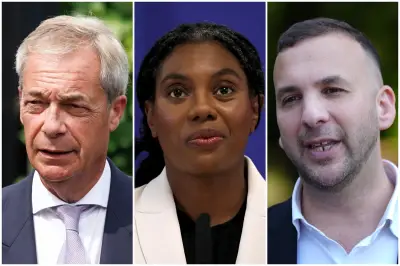
Reform UK is preparing for its annual conference in Birmingham this week after a summer that senior figures hoped would be a period of political gains but which instead brought internal divisions, a stalled poll surge and a byelection that pinned Nigel Farage to one corner of Essex for six weeks.
A summer of missed opportunities
Senior Reform UK figures have boasted that summer, when parliament is in recess, is when the party makes hay, allowing Farage and colleagues to dominate the news cycle with provocative statements and new policies while painting establishment opponents as workshy. Last summer, the party eagerly grasped an added opportunity in protests against hotels housing asylum seekers, with Farage warning of the prospect of “civil disobedience on a vast scale” as Labour and the Tories tempered their language.
Yet as August comes to an end, the party might look back on summer 2026 as a damp squib, or worse. While almost weekly press conferences have taken place and new policies have been rolled out – Robert Jenrick has been particularly busy with promises to slash the benefits bill and scrap supposed “red tape” for businesses – there has been no repeat of last summer’s unrest in England, aside from disturbances in the Norfolk market town of Thetford.

Internal divisions and the Clacton gamble
There have also been missteps of Reform’s own making, not least the hint of internal divisions related to the noisy pronouncements of its home affairs spokesperson, Zia Yusuf. Farage was eventually forced to reprimand him for calling Ben Wallace, a former Conservative defence secretary and veteran, a “traitor”. Divisions also surfaced around the suspension of Tim Montgomerie, a high-profile activist who defected from the Conservatives.
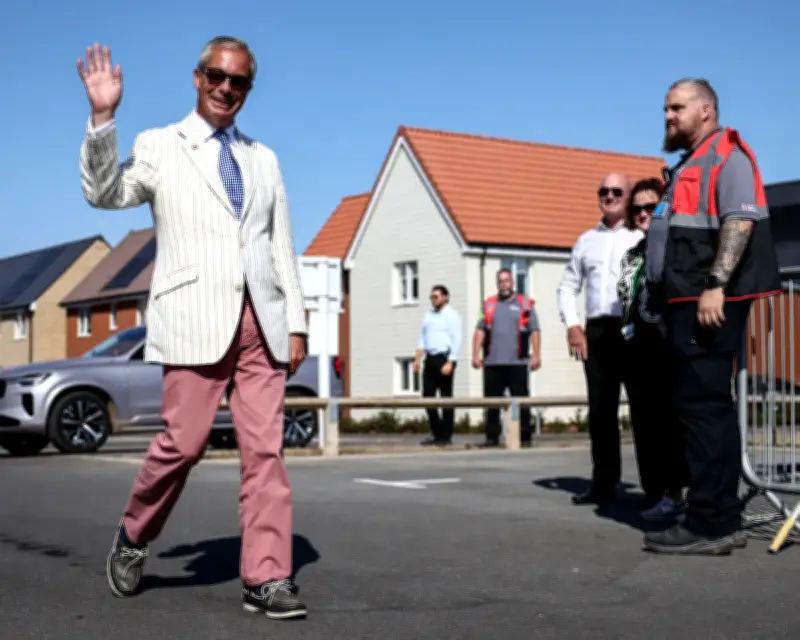
Perhaps the biggest error was Farage’s decision to spark a byelection in Clacton in an attempt to neutralise the pressure he was under over questions about an undeclared £5m payment by the Reform megadonor Christopher Harborne. Farage himself scaled back press events amid scrutiny after the payment was first revealed by the Guardian. Though he cruised to victory over his closest challenger – Count Binface – the need to get the vote out meant Farage was pinned down in Essex for six weeks, rather than being free to roam the UK and entice media coverage. The prospect of a “people versus the establishment” battle did not materialise when other main parties ignored the contest, while a parliamentary standards investigation into the payment has once again started after it was only paused during the byelection.
Opponents and polls take note
Opponents have taken note. “You could say that Reform are quite good at tactics but bad at strategy, and with Clacton he made a strategic mistake because it bound him to one part of the country for six weeks,” observed Giles Dilnot, editor of ConservativeHome and a former political adviser who covered Farage for years for the BBC. “He made that decision in anger and you never make good strategic decisions when you are angry. Then he had to take a break because of the understandable toll the byelection and all that went before it this year would have taken.”
Dilnot suggested two other issues that will have caused worries in Reform ranks. First, despite Reform consistently attacking the Tories, signs of a knockout blow don’t seem to have materialised. Second, the centralised way in which Farage has always run his political projects may now be taking a toll. “Over the 15 years it’s always the case he is both the biggest asset and biggest weakness of any party he has led. Everything is centralised, he falls out with people and voters can also be very polarised,” said Dilnot.

Recent polls have indicated that the surge in support for Reform UK has stalled, with the party failing to break out beyond core supporters and signs that Farage himself might even be a drag on its further growth. A poll released last week by More in Common put the party at 23% – four percentage points behind Labour and Reform’s worst performance in 18 months. Labour also now leads Reform for the first time since the general election in Ipsos polling – 28% to 25%. Nearly two-thirds of the public (65%) don’t believe Farage is ready to be prime minister, according to Ipsos, while nearly three-quarters backed continuing the standards investigation even before the Clacton result.
Conference and the road ahead
Aside from struggling to shake off questions about the £5m, there was yet another reminder last week of another drag – namely Reform having to look over its shoulder at the siren call to its voters from Rupert Lowe’s hard-right Restore Britain party. The latter was a factor in a much-watched byelection last Thursday on Dover district council, where Reform had swept the board during Kent local elections last year, but where Farage’s party was narrowly pipped by the Greens after Restore polled 10%.
Nonsense, say Reform sources, pointing to new policies and attention-grabbing moves by councils such as Kent, which announced plans to “protect” communities from immigrants. “We’re coming out of this summer with a plethora of policies, our councils are getting on with it and at conference there will be more headlines, a proper fringe discussing ideas and a business engagement programme which is a major step up from last year,” said one.
Reform says it will use the conference at the Birmingham NEC to set out the first 100 days of what a government led by it would do. One of the biggest questions will be whether any dissent emerges.