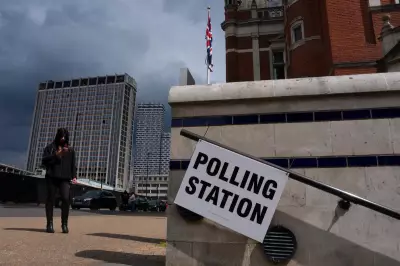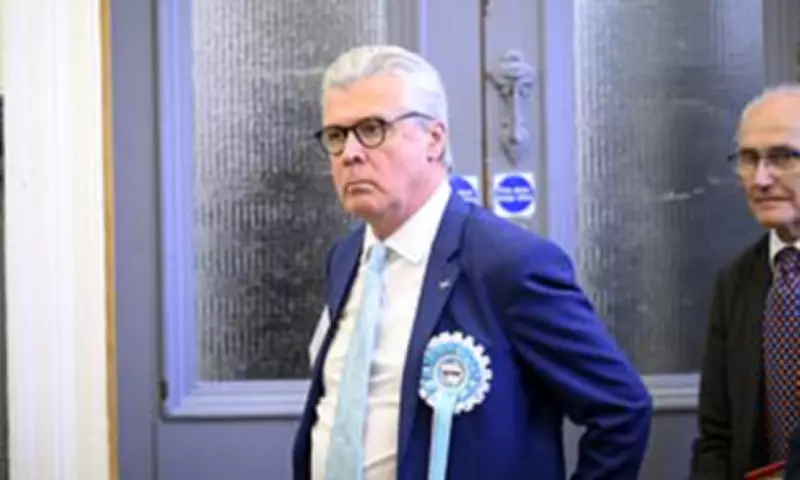
Thousands and thousands of Scots voted for Reform UK in Thursday's Scottish Parliament election, sparking fierce criticism from Stephen Kerr of the Scottish Tories. 'The SNP are winning seat after seat despite losing a huge amount of votes,' he raged. 'Reform, by splitting the pro-UK vote, have ensured the SNP pick up constituencies across Scotland. Reform is the worst thing to happen to Unionism in the Scottish parliament.'
While Kerr's viewpoint is understandable, it overlooks the fundamental democratic right of any political party to contest elections and of voters to choose without being insulted. It is hardly the fault of Malcolm Offord or Nigel Farage that many Scots still remember the chaos of the 'Boris Wave' and Liz Truss's brief, disastrous tenure as Prime Minister.
A closer look at the numbers reveals a more nuanced picture. The SNP's vote share plummeted almost everywhere except Shetland, and Reform contributed to Nationalist reverses in Edinburgh, Galloway, the Borders, and the Western Isles. Malcolm Offord was elected via the Regional List, but Reform did not win a territorial seat, despite giving the SNP a serious fright in Banffshire and Buchan Coast.

The decline of the SNP in the Western Isles is partly attributed to the treatment of Kate Forbes, whose Free Church faith was attacked by Nationalist colleagues, the Greens, and the press. Reform candidate Malcolm McTaggart, an openly Evangelical figure from a respected local family, came a strong third, drawing many Free Church votes.
Reform will not mind not winning a territorial seat; they are sending a good number of MSPs to Holyrood who may provide a grounded, refreshing voice in a parliament that has become intellectually debauched, with MSPs unable to define what a woman is and calling for the destruction of Israel, the only liberal democracy in the Middle East.
Many Reform voters are former SNP supporters. Historically, the SNP was fiercely Eurosceptic until the 1980s, and many of its supporters were pro-Brexit. However, the SNP ignored these voters after Brexit, driving them to the Tories and now to Reform. Nicola Sturgeon never understood rural, small-town Scotland, and John Swinney has not won it back.
The SNP's rise also serves as a warning to Reform. The first SNP surge in 1967 was undone by incompetent councillors, and the 1974 'First Eleven' became a Westminster joke. Reform's MSPs will face intense scrutiny, with commentators and internet archaeologists digging for past indiscretions. Will they prove to be a ship of fools, or will they speak plain truths and ask tough questions?