One Nation's Farrer Win Reflects Long Trend of Regional Voters Rebelling
One Nation's Farrer Win: Regional Voters Rebelling

One Nation's victory in the Farrer byelection is the latest example of regional New South Wales voters expressing their discontent with the major parties, a trend that has persisted for decades.

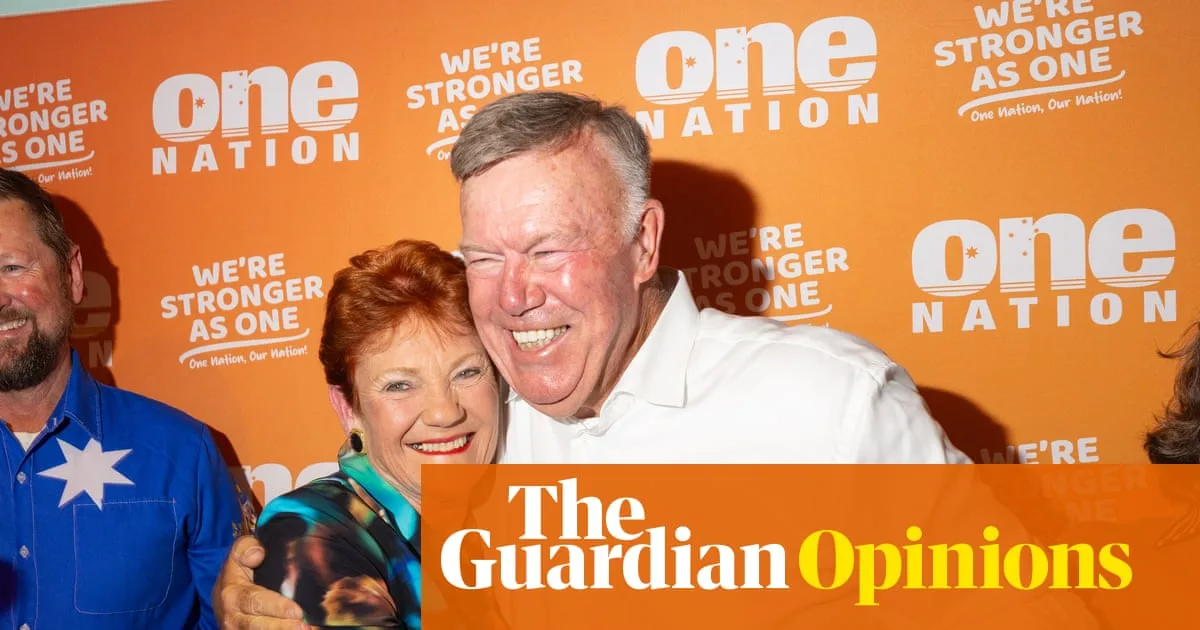
Before community independents reshaped urban politics, rural and regional electorates in the state had long elected outsiders and defectors from the old parties, such as Peter Andren, Tony Windsor, Rob Oakeshott, and Andrew Gee. Saturday's solid win by One Nation's David Farley is just the most recent instance.

Whether the humiliation of the Liberal Party marks the beginning of the end for the party founded in 1944 in an electorate that delivered its extraordinary defeat, or the end of the beginning of the conservative party's reinvention, remains to be seen. However, for a party that has dominated Australian politics for 75 years to receive just over 12% of the vote speaks to a remarkable loss of public confidence.

Wide Pickt banner — collaborative shopping lists app for Telegram, phone mockup with grocery list

Byelections are usually a judgment on the ruling party, as seen in recent local government elections in Britain. In this case, it was a judgment on the opposition, although some traditional Labor voters also found their way to One Nation.

Whether One Nation can hold onto its newly elected representative or develop policies with any chance of implementation will take time to unfold. If history is any guide, Farley may find himself on the crossbenches before the 2027 election, as has happened to other One Nation representatives. A charismatic leader may open the door but is not necessarily adept at keeping everyone in the room. Gina Rinehart's money and Barnaby Joyce's political experience may help but might not be sufficient.

Farley, who towered over his leader, declared on election night that this was the 'end of the beginning for One Nation,' before leading the victory party with a chant of 'Aussie Aussie Aussie, Oi Oi Oi.' Farley is a better candidate than One Nation has usually recruited, but his strong background and experience may make him less susceptible to his new leader's charms. His determination to seek public office saw him flirt with other parties before winning the One Nation preselection.

The sense of grievance that the party tapped into is real and not easily resolved. The economic and administrative structure evolved over the past 30 years cannot simply be dismantled as some voters desire. Reworking the Murray Darling Basin plan for greater equity, reinvesting in health, housing, and social infrastructure, providing better pathways to improved quality of life, and restoring a sense of possibility, hope, and optimism require a clear vision and determination, which are in short supply.

Australian voters are always ready to complain, and political leaders are not adept at projecting a real sense of optimism and possibility. The gap between voter disgruntlement and leaders' skills has widened as the shortcomings of the dominant neoliberal model have affected more people.

Lessons can be learned from One Nation's short-term success in Queensland in 1998. The nascent party won 11 seats in the state parliament, but by the end of the term, only one remained—an independent. It took weeks of negotiation before Peter Beattie became premier with the support of independent Peter Wellington. The voters who delivered One Nation unexpected seats were, colloquially, 'pissed off.' Unemployment was high, industries had disappeared, and the Borbidge government's inability to deliver made people cynical and angry. Beattie's sunny demeanour and readiness to listen and act restored some confidence, but the real breakthrough was an economic recovery. Unemployment fell below 5%, which had seemed impossible in the 1990s. In the 2001 election, Beattie won 66 of 89 seats, and One Nation was routed.

Independents have always played an important role in Australian politics, a fact worth remembering as the 125th anniversary of the first parliament is celebrated. There were two independents elected in 1901, and in the following half century, 24 were elected as independents, and 37 sat on the crossbenches after losing preselection, resigning, or being expelled from their parties. The new wave of independents began in 1990 when Ted Mack became the member for North Sydney by defeating Allegra Spender's father, John, a Liberal doyen.

Pickt after-article banner — collaborative shopping lists app with family illustration

When commentators proclaim that the election of David Farley as the One Nation member for Farrer is a seismic change in Australian politics, it is worth remembering that elements of this have played out before. The challenges for the Liberal Party are huge, but so too is the challenge for the government to truly hear the grievances and act on them.

Julianne Schultz is the author of The Idea of Australia.