The murder of conservative activist Charlie Kirk at Utah Valley University has sent shockwaves through American politics, with commentators warning that the country is edging closer to a second civil war. Kirk, 31, was shot in broad daylight in front of his wife, children, and a crowd of thousands. It took days for authorities to name a suspect, and the motive remains unclear.
The killing has sharply divided American discourse. While some mourned Kirk as a martyr, others reacted with indifference or outright celebration, reflecting the nation's deep polarisation. Former President Donald Trump blamed “the radical left” for the shooting and promised a crackdown, claiming its rhetoric was “directly responsible for the terrorism” in the country. In an Oval Office address, he notably omitted violence against Democrats from his list of politically motivated attacks.
The assassination comes amid a broader surge in political violence. Earlier this year, the former speaker of the Minnesota House and her husband were murdered, and a molotov cocktail was thrown at the Pennsylvania governor's home. Journalists have also become targets, with New York Times editor Joseph Kahn's apartment graffitied last month. US judges hearing cases against Trump have been sent pizzas as an intimidation tactic, underscoring the climate of fear.
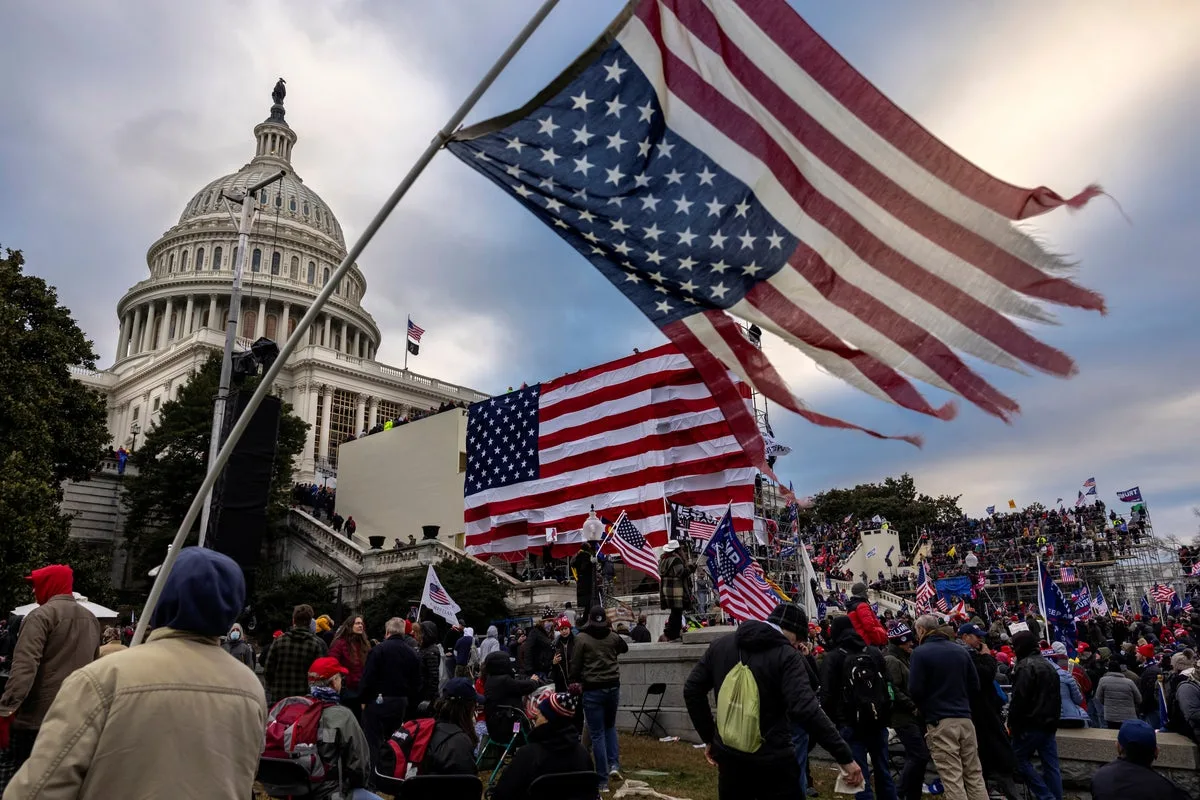
Trump has ordered all American flags lowered to half-mast in Kirk's memory, a gesture seen by many as a toxic sign of partisan appropriation. Analysts note that the danger lies not just in the violence itself, but in the collective reaction to it. As the author of The Next Civil War observed, the United States has historically treated assassinations as national tragedies, but that consensus has now collapsed. The dehumanisation of political opponents, fuelled by both left and right, suggests the country is on an ominous trajectory.