

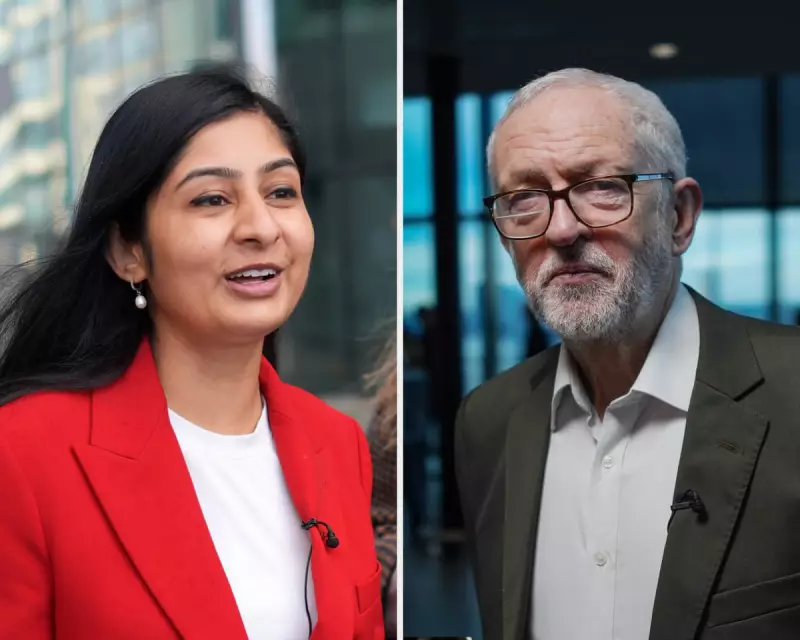
The founding conference of Jeremy Corbyn's new left-wing party has been overshadowed by internal divisions, culminating in a narrow vote for collective leadership that represents a significant victory for Zarah Sultana.
Conference Chaos and Sultana's Boycott
The political gathering in Liverpool got off to a rocky start when Zarah Sultana, the former Labour MP who now sits as an independent, boycotted the first day of proceedings. The disagreement centred on fundamental questions about how the new party - currently operating under the provisional name 'Your Party' - should be governed and structured.
Sultana's protest extended beyond mere absence from the conference hall. In a show of solidarity, she refused to enter the venue on Saturday alongside delegates who had been expelled due to their links with other left-wing parties. The MP described these expulsions as resembling a "witch-hunt", highlighting the deep divisions within the fledgling political movement.

Narrow Vote Secures Collective Leadership Model
On Sunday, members delivered their verdict on the party's constitutional arrangements, with 51.6% voting in favour of a collective leadership model, against 48.6% who opposed it. This outcome represents a clear win for Sultana's faction, which had been advocating for this approach to governance.
Prior to the vote results being announced, Jeremy Corbyn had expressed reservations about the collective leadership concept, telling journalists: "It's quite hard for the public to grasp things that there are sort of 10 people who run things." Despite these concerns, members ultimately backed the model that will see a new member-led executive take major decisions regarding party management and strategy.
The leadership structure will include a chair, deputy chair and spokesperson who will provide public leadership while operating within the collective framework.
Dual Membership and Ongoing Tensions
In another victory for Sultana's position, members also voted to allow dual membership of other political groups. This decision is particularly significant given the background of internal conflict that has characterised the party's launch.
However, the party has established safeguards regarding this policy. Members of other parties will only be eligible to join after their organisation has been ratified by the party's executive (CEC) and conference as being aligned with the new party's values.
This compromise follows Corbyn's statement to journalists on Saturday that entry to Your Party was conditional on members not being aligned with other parties registered with the Electoral Commission.
The conference also revealed that the party's permanent name will be chosen from a shortlist including: Your Party, Our Party, Popular Alliance and For The Many. The final selection was scheduled to be announced later on Sunday.
These developments at the Liverpool conference highlight the significant challenges facing the new left-wing project as it attempts to establish itself while managing substantial internal disagreements about its fundamental structure and direction.






