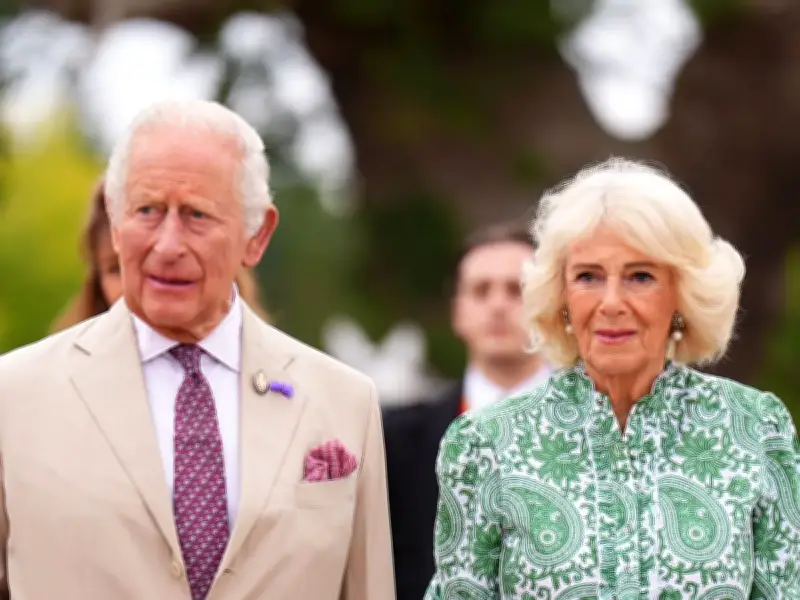
MPs are set to approve a £99.9million annual grant for King Charles, despite critics calling the sum excessive and urging further cuts. The Treasury will put forward legislation on Tuesday that would reduce the Sovereign Grant by nearly £40million, but the amount still stands at just under £100million for the coming year.
The grant has risen sharply over the past 15 years even as the number of working royals has fallen. Andrew Mountbatten-Windsor was stripped of his titles following the fallout over his friendship with Jeffrey Epstein, while Prince Harry and Meghan quit royal duties in 2020 and moved to the US. Their recent return to Britain has raised concerns that taxpayers may end up funding the couple's security.
Critics call for further cuts
Former Lib Dem minister Norman Baker, a vocal critic of the monarchy, told The Mirror that the Prime Minister must "stop this royal rip-off now". The grant, which is based on profits from the Crown Estate, covers the monarch's official duties, palace maintenance, and staff costs.

The proposed 2027/28 grant is more than three times the initial £31million allocated by Chancellor George Osborne when the Sovereign Grant was introduced in 2012/13. It had soared to £137.9million this year, largely due to a decade-long refurbishment of Buckingham Palace costing £369million.
Campaigners demand overhaul
Anti-monarchy group Labour for a Republic, in a briefing note to Labour MPs, argued that the grant for 2027-28 should not exceed the 2012-13 starting point in real terms, which would mean a grant of around £45million. The group said: "The Royal Family is smaller that it was in 2011 and the King and Prince of Wales claim to favour a slimmed-down monarchy. Making the anticipated increase to £99.9m, when the Government cannot afford many of the changes it wants to make to tackle poverty and deprivation, would be wrong and would appear to be wrong."
The group called for a complete overhaul of royal funding, breaking the link between Crown Estate profits and the grant. It also urged the government to take the King's income from the Duchy of Lancaster, estimated at around £20million a year, into account. Labour for a Republic secretary Ken Richie said: "Whatever one's views on the monarchy, questions must be asked about why it needs so much more money now than it did in 2012."
Spending breakdown and royal wealth
In the year to March 31, the royal annual financial report showed £5.1million spent on travel, £33.7million on payroll, £3.5million on housekeeping and hospitality, and £67.5million on property maintenance. Nearly £127,000 was spent on travel for the King and Queen's official visit to Rome last April, while £733,000 was spent on 177 helicopter flights and £837,000 on 60 charter flights over 12 months.
The government said it has no intention of ripping up the Sovereign Grant system. Earlier this year, Baroness Margaret Hodge, appointed anti-corruption tsar in 2024, said the Sovereign Grant has "run out of time" and called for more transparency around the royals' private wealth. The King has an estimated net worth of £680million, according to the Sunday Times Rich List, while accounts for the Sovereign Grant this year showed Prince William is richer than his father, with a net worth of £1.2billion via the Duchy of Cornwall.
A Sunday Mirror investigation in 2024 found the Duchy of Cornwall made an average of £3.3million a year from selling properties from 2010 to 2020, soaring to £11million a year in the four years after that, with the income exempt from capital gains tax. Critics have argued the two Duchies should be public assets, but successive governments have accepted them as private wealth.
Buckingham Palace said the King has voluntarily paid more than £30million in tax since ascending to the throne. In a statement in June, James Chalmers, Keeper of The Privy Purse, said: "It is important to emphasise that the Sovereign Grant does not provide personal income to members of the Royal Family. It funds the work of the institution – not private lives or private wealth." He added: "This is not a blank cheque. Expenditure is governed by the same standards and disciplines as any publicly funded body, with strict value-for-money requirements, detailed planning, multi-year strategies, independent audit, and Treasury oversight."

The Sovereign Grant is set each year by the Royal Trustees, comprising the Prime Minister, the Chancellor, and the Keeper of the Privy Purse. Under a coalition government deal, the grant is calculated based on Crown Estate profits, with over £5billion of profits paid to the Exchequer in the past decade. A Treasury spokesman told The Mirror: "The Grant - which funds official business and doesn't provide an income to any members of the Royal Family – will fall by over 25% next year as the temporary funding for the reservicing of Buckingham Palace ends. The settlement is evidence‑based and reflects an increase in core activities like state visits and overseas trips. This supports government objectives and the UK's position on the world stage."