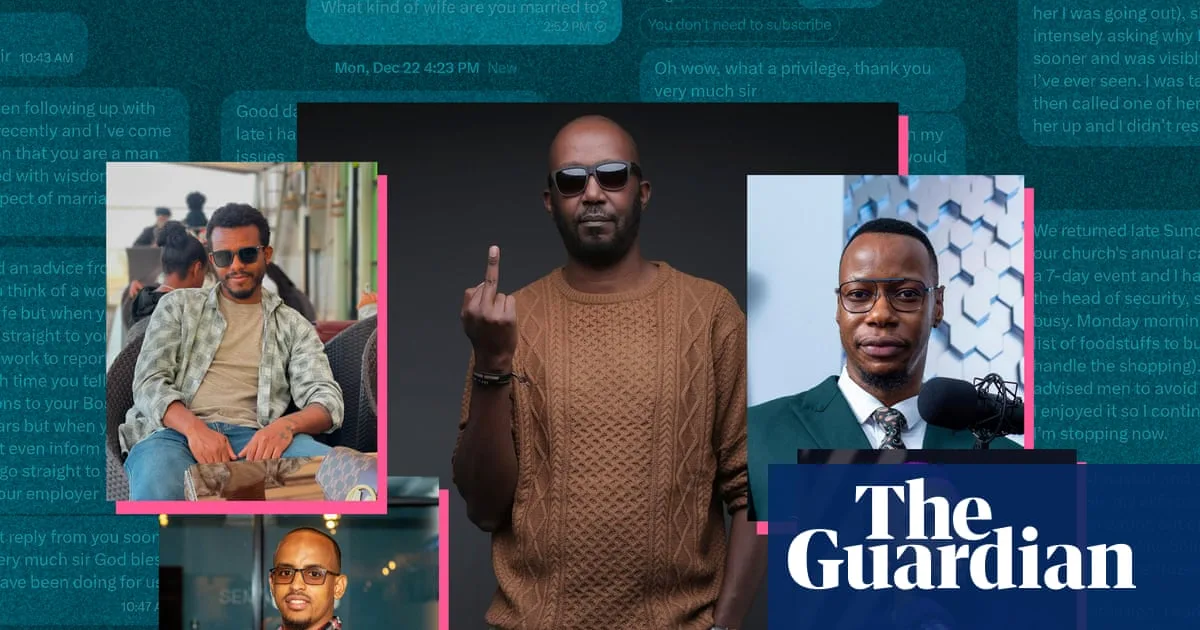
Earlier this year, Louis Theroux’s Netflix show, Inside the Manosphere, examined the growing influence of the ultra-masculine network, led by influencers like self-proclaimed misogynist Andrew Tate, across the US and the UK. But for the BBC World Service documentary, Manosphere Messiahs, disinformation reporter Jacqui Wakefield spent a year examining the influence of manosphere heavyweights El Temach (Luis Castilleja) in Mexico, who has over 7.3 million followers on TikTok and 2 million on Instagram; and Andrew Kibe, in Kenya, who has 464,000 followers on Instagram and has had 530 million TikTok views.
Wakefield tells The Mirror: “Content creators in developing countries are seeing the success of people like Andrew Tate and HS TikkyTokky, and wanting a piece of it for themselves; the fame, money and influence that comes with it.”
The same manosphere slang words appear, popularised by Andrew Tate – currently facing allegations including sexual intercourse with a minor. Wakefield says it’s unclear whether influencers like former DJ Kibe – who calls himself ‘Jesus’, tells fans to ‘worship me’, and asks how he can respect a woman he wants to sleep with – believe what they say, or if they are just touting for followers. But, after speaking to women who’ve been affected, she says the adverse impact is substantial.
Kenyan student Joy says women recently standing for the student union had to have a male student stand with them, or they wouldn’t get elected. She says: “It’s getting worse.” Kibe followers, she says, feel women are “less capable, less deserving of those leadership positions.” Kenyan superfan Ryan, says: “I first discovered Andrew Kibe when I was 18. My father had died 10 years ago and I was in a dilemma of being masculine or remaining just a boy.” Saying he lacked a father’s influence, he continues: “Kibe states that women are just a distraction in your journey to greatness as a man.”
Dr Awino Okech, a professor of Feminist Studies at SOAS University, explains the social difficulties facing men and boys who are drawn to Kibe. She says: ”They are tapping into young men and boys with real mental health challenges … in societies where unemployment rates are high, people do not have the resources to be able to live a meaningful life.” Instead of blaming the state, she says they see women as the problem.
Similarly in Mexico, failed pastor and actor El Temach is pumping out testosterone-fuelled propaganda about self-improvement to 11 million followers. His younger sister Alex says: “It's astonishing to see him now because he was a totally different person.” Once close, they no longer talk. She adds: “He copied everything from Andrew Tate. I don’t think he actually has a clear idea of what feminism entails. I think he just decided it was the best enemy for his content.”
In one video, El Temach says: “A liberal wife is the worst mistake you can make as a man.” But in Mexico City, doctor Fernanda says manosphere teachings led to her former boyfriend – who she met while she was a medical student – threatening to kill her. Fernanda says: “He started to become obsessed. He went from one video to the next – he’d spend hours watching them. It wasn’t just El Temach, it was other creators too with similar ideas. He took it as absolute truth. He’d use him to justify me not being allowed to speak to single women, because they might ‘put ideas in your head’ about cheating.
“He’d only let me wear clothes that he thought weren’t too revealing. I think he was already a sexist when we met. But he hid it. El Temach made him feel he didn’t have to feel bad about it.” The final straw came when he forced her to spend hours watching El Temach videos. She says: “He wouldn’t let me leave the house. He broke my phone. He was physically aggressive. I was afraid for my life. He did actually threaten to kill me. But the only way I could stay safe was to sit there and watch.” Eventually he let her go. Blaming manosphere influencers for brainwashing men like her ex, who would justify appalling behaviour saying ‘El Temach says I’m right,’ she adds: “Some people can’t separate a video from real life.”
Meanwhile, Wakefield concludes: “Social media has created a breeding ground for misogyny which is much more global than we first thought and it’s growing exponentially.”