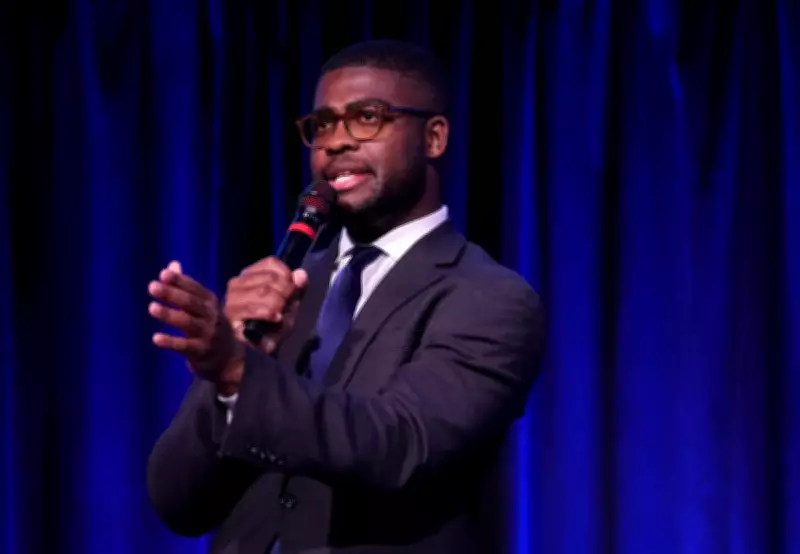
Isaiah Martin's Political Realignment Stirs Controversy
In a surprising turn of events, Isaiah Martin, a prominent figure previously aligned with the Democratic Party, has publicly declared his new affiliation with the Republican Party. This move has sent shockwaves through political circles, prompting intense debate about the motivations behind such a significant shift and its potential implications for the broader political landscape.
Background and Career Trajectory
Isaiah Martin built his reputation as a skilled strategist within Democratic ranks, contributing to numerous campaigns and policy initiatives over the years. His expertise in messaging and voter outreach earned him respect among peers, making his departure all the more notable. Martin's career has been marked by a deep engagement with progressive causes, which adds complexity to his recent decision to cross the aisle.
Reasons for the Switch
In statements following his announcement, Martin cited several factors driving his political realignment. He expressed concerns over what he described as a growing ideological rigidity within the Democratic Party, suggesting that it has strayed from its core principles in recent years. Additionally, Martin highlighted policy disagreements on key issues such as economic regulation and national security, where he now finds greater alignment with Republican stances.

Reactions from Both Parties
The response to Martin's switch has been mixed, revealing deep-seated tensions within American politics. Democratic leaders have expressed disappointment, with some questioning the timing and sincerity of his move. "It's disheartening to see someone with his experience leave our ranks," remarked one senior Democrat, who requested anonymity. "But we remain focused on our mission to serve the American people."
Conversely, Republicans have welcomed Martin with open arms, viewing his defection as a validation of their platform. Prominent GOP figures have praised his courage and insight, suggesting that his background could bring valuable perspectives to their strategies. "Isaiah's decision underscores the growing appeal of our party's message," said a Republican spokesperson. "We look forward to collaborating with him on future initiatives."
Broader Implications for US Politics
This event raises important questions about the fluidity of political identities in contemporary America. Analysts point out that such shifts are becoming increasingly common, reflecting a polarized environment where individuals may feel compelled to reassess their allegiances. Key implications include:
- Impact on Voter Perceptions: Martin's move could influence undecided voters, potentially swaying opinions on party credibility and adaptability.
- Internal Party Dynamics: It may prompt both Democrats and Republicans to introspect on their policy directions and inclusivity.
- Future Defections: This could set a precedent for other political operatives considering similar changes, especially in lead-up to major elections.
Experts warn that while individual switches like this are noteworthy, they often symbolize larger trends in political realignment, such as shifting demographic loyalties or evolving issue priorities. As the 2026 midterms approach, Martin's story may serve as a case study in how personal convictions intersect with partisan strategies.
Looking Ahead
Isaiah Martin has indicated that he plans to remain active in political advocacy, now from a Republican perspective. He aims to focus on bridging divides and promoting pragmatic solutions, though skeptics doubt the feasibility of such goals in today's divisive climate. Regardless, his journey highlights the ongoing evolution of American political discourse, where loyalty is increasingly tested by ideological and practical considerations.

As debates continue, one thing is clear: Isaiah Martin's political shift has ignited a conversation that extends far beyond his personal story, touching on fundamental aspects of democracy, party identity, and the future of governance in the United States.